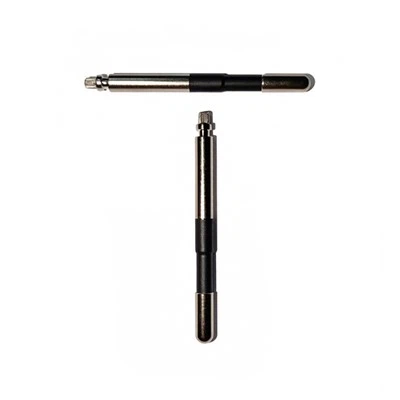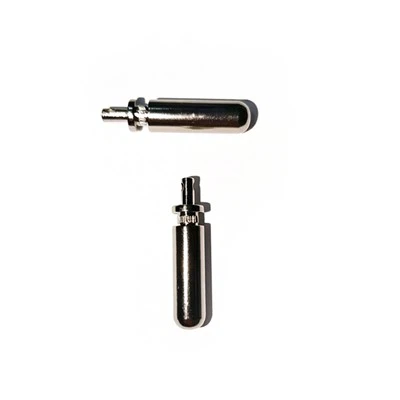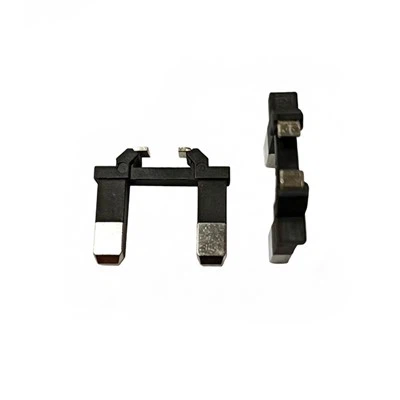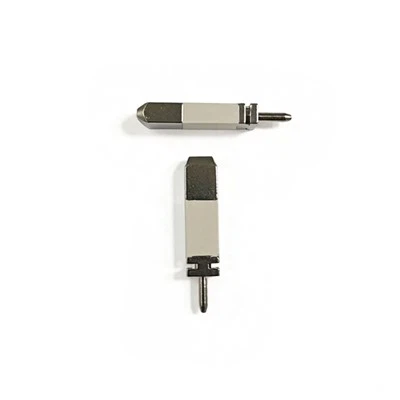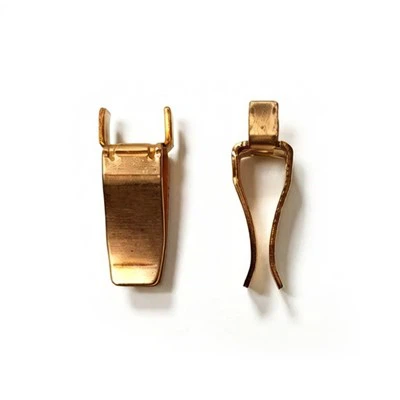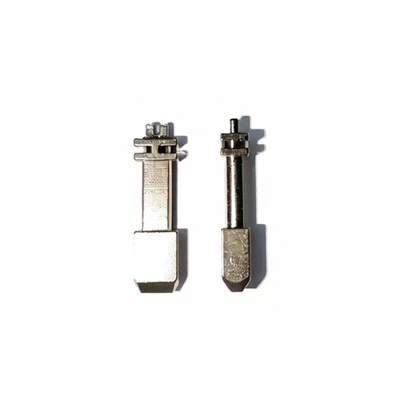


As a supplier of Brass Copper Plug Insert Pin EU Plug Pin, I often encounter inquiries regarding the chemical resistance of these components in EU plugs. In this blog post, I will delve into the topic, exploring the factors that influence the chemical resistance of brass copper plug insert pins and their implications for EU plug applications.
Understanding Brass and Copper in Plug Insert Pins
Brass is an alloy composed primarily of copper and zinc, with varying proportions of other elements such as lead, tin, and aluminum. The addition of these elements can enhance the mechanical properties, corrosion resistance, and machinability of brass. Copper, on the other hand, is a highly conductive metal known for its excellent electrical and thermal properties. In EU plug insert pins, brass and copper are commonly used due to their combination of conductivity, durability, and affordability.
Chemical Resistance of Brass and Copper
The chemical resistance of brass and copper is influenced by several factors, including the composition of the alloy, the environmental conditions, and the presence of corrosive substances. In general, brass and copper exhibit good resistance to a wide range of chemicals, including water, air, and most organic solvents. However, they can be susceptible to corrosion in the presence of certain chemicals, such as acids, alkalis, and salts.
Corrosion Mechanisms
Corrosion is a natural process that occurs when a metal reacts with its environment. In the case of brass and copper, corrosion can occur through several mechanisms, including oxidation, galvanic corrosion, and stress corrosion cracking.
- Oxidation: Oxidation is the process by which a metal reacts with oxygen in the air to form an oxide layer on its surface. This oxide layer can act as a protective barrier, preventing further corrosion. However, if the oxide layer is damaged or removed, the metal can be exposed to further corrosion.
- Galvanic Corrosion: Galvanic corrosion occurs when two different metals are in contact with each other in the presence of an electrolyte, such as water or saltwater. The more reactive metal (anode) will corrode, while the less reactive metal (cathode) will be protected. In EU plug insert pins, galvanic corrosion can occur if the brass or copper pins are in contact with other metals, such as steel or aluminum.
- Stress Corrosion Cracking: Stress corrosion cracking is a form of corrosion that occurs when a metal is subjected to a combination of stress and a corrosive environment. This can lead to the formation of cracks in the metal, which can ultimately cause the failure of the component. In EU plug insert pins, stress corrosion cracking can occur if the pins are subjected to high levels of stress, such as during installation or use.
Factors Affecting Chemical Resistance
The chemical resistance of brass and copper can be affected by several factors, including the composition of the alloy, the environmental conditions, and the presence of corrosive substances.
- Alloy Composition: The composition of the brass or copper alloy can have a significant impact on its chemical resistance. For example, alloys with higher levels of copper tend to have better corrosion resistance than those with lower levels of copper. Additionally, the presence of other elements, such as zinc, lead, and tin, can also affect the corrosion resistance of the alloy.
- Environmental Conditions: The environmental conditions in which the EU plug insert pins are used can also affect their chemical resistance. For example, exposure to high humidity, saltwater, or acidic or alkaline environments can increase the risk of corrosion. Additionally, the temperature and pressure of the environment can also affect the rate of corrosion.
- Corrosive Substances: The presence of corrosive substances, such as acids, alkalis, and salts, can also affect the chemical resistance of brass and copper. For example, exposure to sulfuric acid or hydrochloric acid can cause the brass or copper to corrode rapidly. Additionally, the presence of salts, such as sodium chloride or calcium chloride, can also increase the risk of corrosion.
Implications for EU Plug Applications
The chemical resistance of brass copper plug insert pins is an important consideration for EU plug applications. In order to ensure the reliability and safety of EU plugs, it is important to use plug insert pins that have good chemical resistance. This can help to prevent corrosion and ensure that the plugs function properly over their intended lifespan.
Electrical Conductivity
One of the key requirements for EU plug insert pins is their electrical conductivity. Brass and copper are both highly conductive metals, which makes them ideal for use in electrical applications. However, if the plug insert pins are corroded, their electrical conductivity can be reduced, which can lead to problems such as overheating, voltage drops, and electrical failures.


Mechanical Strength
In addition to their electrical conductivity, EU plug insert pins also need to have good mechanical strength. This is important to ensure that the pins can withstand the stresses and strains of normal use, such as insertion and removal from electrical sockets. If the plug insert pins are corroded, their mechanical strength can be reduced, which can lead to problems such as bending, breaking, or loosening.
Safety
The safety of EU plugs is also an important consideration. If the plug insert pins are corroded, they can pose a safety hazard, such as electrical shock or fire. Therefore, it is important to use plug insert pins that have good chemical resistance to ensure the safety of users.
Conclusion
In conclusion, the chemical resistance of brass copper plug insert pins is an important consideration for EU plug applications. By understanding the factors that influence the chemical resistance of these components and taking appropriate measures to protect them from corrosion, we can ensure the reliability and safety of EU plugs. As a supplier of Brass Copper Plug Insert Pin EU Plug Pin, I am committed to providing high-quality plug insert pins that meet the needs of our customers. If you have any questions or would like to learn more about our products, please do not hesitate to contact us for further discussion and potential procurement opportunities.
References
- ASM Handbook, Volume 13A: Corrosion: Fundamentals, Testing, and Protection. ASM International, 2003.
- Metals Handbook: Properties and Selection: Nonferrous Alloys and Pure Metals, Volume 2. ASM International, 1990.
- Corrosion Resistance of Metals and Alloys. NACE International, 2003.