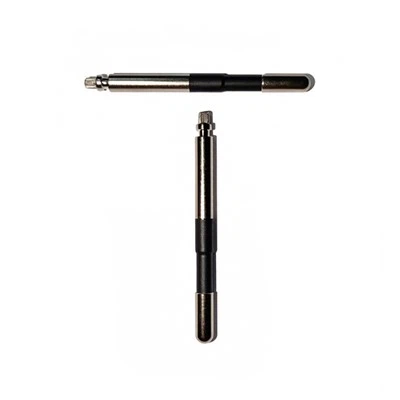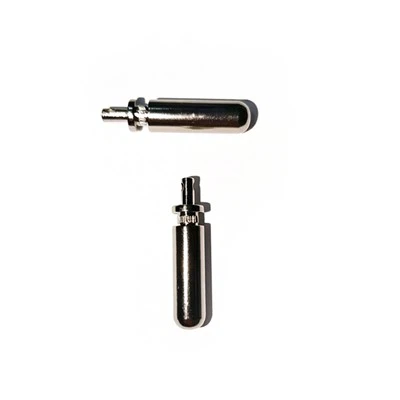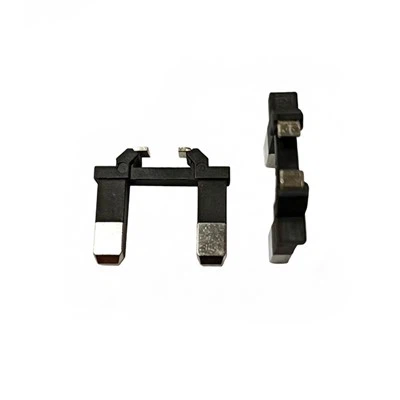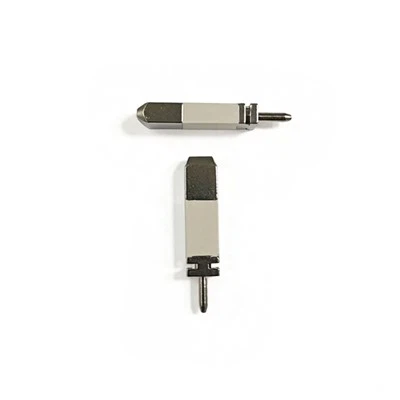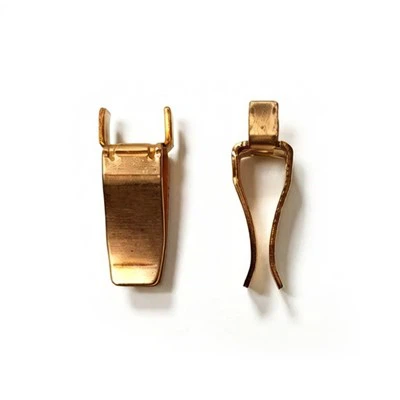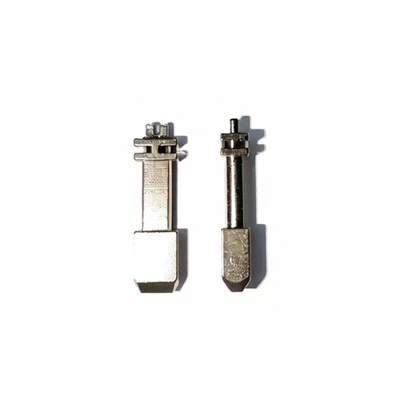


As a supplier of Brass Electrical Contacts, I've witnessed firsthand the pivotal role these components play in the electrical industry. High - frequency current, a phenomenon that is becoming increasingly prevalent in modern electrical systems, can have a multitude of effects on brass electrical contacts. In this blog, I will delve into these effects, exploring both the positive and negative impacts, and how they influence the performance and longevity of our products.
1. Basics of Brass Electrical Contacts
Brass is an alloy primarily composed of copper and zinc. Its excellent electrical conductivity, malleability, and corrosion resistance make it a popular choice for electrical contacts. These contacts are used in a wide range of applications, from simple household switches to complex industrial control systems. Our Brass Electrical Contacts are designed to provide reliable electrical connections, ensuring the smooth operation of various electrical devices.
2. Effects of High - Frequency Current on Brass Electrical Contacts
2.1. Skin Effect
One of the most significant effects of high - frequency current on brass electrical contacts is the skin effect. At high frequencies, the current tends to flow near the surface of the conductor rather than uniformly throughout its cross - section. This is because the alternating magnetic field generated by the high - frequency current induces eddy currents within the conductor, which oppose the flow of current in the interior.
As a result, the effective cross - sectional area of the conductor available for current flow is reduced. For brass electrical contacts, this means that the resistance of the contact increases. Higher resistance leads to increased power dissipation in the form of heat. Excessive heat can cause the brass to expand, potentially leading to contact deformation and poor electrical connections. Over time, this can result in contact failure and reduced reliability of the electrical system.
2.2. Electromagnetic Interference (EMI)
High - frequency current can also generate electromagnetic interference. The rapidly changing magnetic fields associated with high - frequency currents can radiate electromagnetic waves, which can interfere with other electronic components in the vicinity. For brass electrical contacts, this can be a particular problem in sensitive electronic systems.
The EMI can cause signal distortion, noise, and even complete failure of nearby electronic devices. To mitigate this issue, proper shielding and grounding techniques need to be employed. Our Electrical Brass Stamping Parts for Switch Socket are designed with features that help reduce EMI, such as proper grounding points and shielding materials.
2.3. Material Degradation
The high - frequency current can accelerate the degradation of the brass material in the electrical contacts. The heat generated due to the skin effect and other factors can cause oxidation and corrosion of the brass surface. Oxidation forms a layer of copper oxide and zinc oxide on the surface of the contact, which increases the contact resistance.
In addition, the mechanical stress caused by the expansion and contraction of the brass due to temperature changes can lead to fatigue and cracking of the contact material. This can further degrade the electrical performance of the contacts and ultimately lead to their failure.
2.4. Contact Resistance Variation
High - frequency current can cause the contact resistance to vary over time. The skin effect and material degradation mentioned above contribute to this variation. As the contact resistance changes, the electrical performance of the system can become unstable. This can lead to fluctuations in the current flow, which may affect the operation of electrical devices.
For example, in a power supply system, a sudden increase in contact resistance can cause a drop in voltage, which may result in the malfunction of connected devices. To ensure stable electrical performance, it is crucial to monitor and control the contact resistance of brass electrical contacts in high - frequency applications.
3. Positive Effects of High - Frequency Current on Brass Electrical Contacts
3.1. Self - Cleaning
In some cases, high - frequency current can have a self - cleaning effect on brass electrical contacts. The rapid heating and cooling cycles caused by the high - frequency current can help remove surface contaminants such as dirt, dust, and oxidation layers. This can improve the electrical conductivity of the contacts and maintain a good electrical connection.
3.2. Improved Welding
High - frequency current can be used for welding brass electrical contacts. The high - frequency energy can generate intense heat at the contact interface, which can melt the brass and create a strong weld. This is particularly useful in manufacturing processes where reliable and durable connections are required.
4. Mitigation Strategies
To minimize the negative effects of high - frequency current on brass electrical contacts, several mitigation strategies can be employed.
4.1. Material Selection
Choosing the right brass alloy with appropriate properties can help reduce the impact of high - frequency current. Alloys with higher copper content generally have better electrical conductivity and are more resistant to oxidation. Additionally, adding trace elements such as tin or nickel can improve the corrosion resistance of the brass.
4.2. Surface Treatment
Applying a surface treatment to the brass electrical contacts can help protect them from oxidation and corrosion. For example, plating the contacts with a thin layer of silver or gold can significantly reduce the contact resistance and improve the electrical performance. Our Copper Connecting Tab for Power Plug often features such surface treatments to enhance their performance.


4.3. Design Optimization
Optimizing the design of the brass electrical contacts can also help mitigate the effects of high - frequency current. For example, increasing the contact area can reduce the current density and minimize the skin effect. Additionally, using proper insulation and shielding can reduce electromagnetic interference.
5. Conclusion
High - frequency current has both positive and negative effects on brass electrical contacts. While it can cause issues such as the skin effect, electromagnetic interference, material degradation, and contact resistance variation, it also offers benefits such as self - cleaning and improved welding. As a supplier of Brass Electrical Contacts, we are committed to understanding these effects and developing solutions to ensure the reliable performance of our products in high - frequency applications.
If you are in the market for high - quality brass electrical contacts or related products, we invite you to contact us for a detailed discussion. Our team of experts can provide you with customized solutions based on your specific requirements. Whether you need standard products or custom - designed components, we have the expertise and resources to meet your needs.
References
- Grover, F. W. (1946). Inductance Calculations: Working Formulas and Tables. Dover Publications.
- Dorf, R. C., & Bishop, R. H. (2016). Modern Control Systems. Pearson.
- Paul, C. R. (2006). Introduction to Electromagnetic Compatibility. Wiley - Interscience.