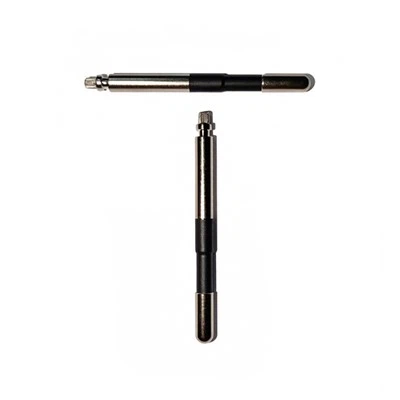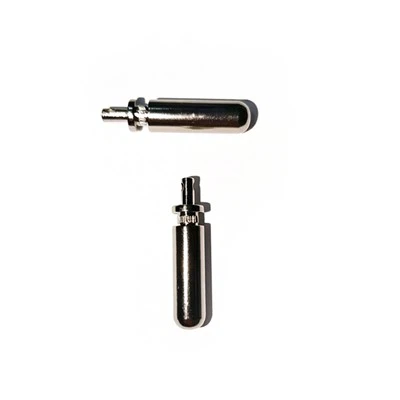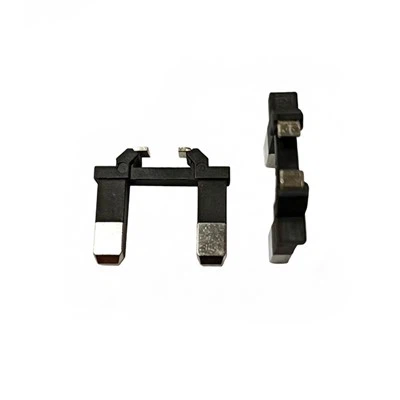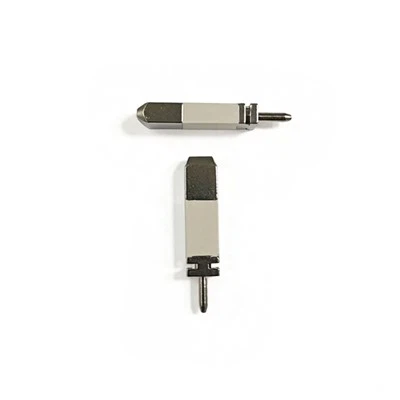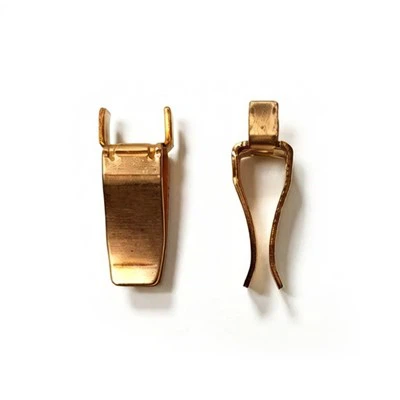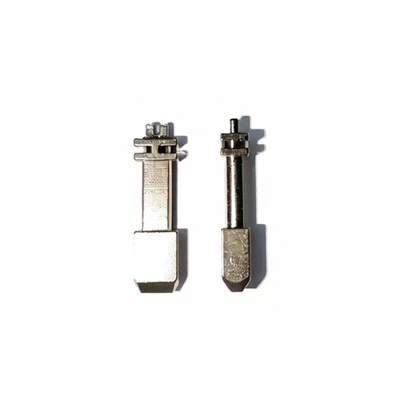


What is the plasma performance of RoHS Brass Plug Insert Pins?
As a supplier of RoHS Brass Plug Insert Pins, I am often asked about the plasma performance of these products. Plasma performance is a crucial aspect when it comes to the functionality and durability of plug insert pins, especially in electrical applications. In this blog, I will delve into the details of the plasma performance of RoHS Brass Plug Insert Pins, exploring its significance, influencing factors, and how it relates to our products.
Understanding Plasma and Its Role in Plug Insert Pins
Plasma is a state of matter that consists of ions, electrons, and neutral particles. In the context of plug insert pins, plasma can be generated under certain conditions, such as high voltage or high current. When a plug insert pin is in use, the electrical current flowing through it can create a plasma environment around the pin. This plasma can have both positive and negative effects on the performance of the pin.
On one hand, plasma can enhance the electrical conductivity of the pin. The ions and electrons in the plasma can act as charge carriers, facilitating the flow of electricity. This can result in lower resistance and better electrical performance. On the other hand, plasma can also cause erosion and damage to the pin surface. The high-energy particles in the plasma can bombard the pin, leading to material loss and surface degradation.
Factors Affecting the Plasma Performance of RoHS Brass Plug Insert Pins
Several factors can influence the plasma performance of RoHS Brass Plug Insert Pins. These factors include the composition of the brass, the surface finish of the pin, the operating conditions, and the design of the plug.
- Brass Composition: The composition of the brass used in the plug insert pins plays a significant role in its plasma performance. Different brass alloys have different properties, such as electrical conductivity, corrosion resistance, and hardness. For example, brass alloys with a higher copper content generally have better electrical conductivity, which can improve the plasma performance.
- Surface Finish: The surface finish of the pin can also affect its plasma performance. A smooth and clean surface can reduce the likelihood of plasma formation and minimize the damage caused by plasma. On the other hand, a rough or contaminated surface can promote plasma formation and increase the risk of erosion.
- Operating Conditions: The operating conditions, such as voltage, current, and temperature, can have a significant impact on the plasma performance of the plug insert pins. High voltage and high current can increase the likelihood of plasma formation, while high temperature can accelerate the erosion process.
- Plug Design: The design of the plug can also influence the plasma performance of the insert pins. A well-designed plug can provide better electrical contact and reduce the risk of plasma formation. For example, a plug with a proper insulation design can prevent the electrical current from leaking and reduce the likelihood of plasma formation.
Plasma Performance of Our RoHS Brass Plug Insert Pins
At our company, we take great care in ensuring the plasma performance of our RoHS Brass Plug Insert Pins. We use high-quality brass alloys that have excellent electrical conductivity and corrosion resistance. Our pins are also carefully manufactured with a smooth and clean surface finish to minimize the risk of plasma formation.
In addition, we conduct extensive testing and quality control to ensure that our products meet the highest standards of performance and reliability. We test our pins under various operating conditions to simulate real-world scenarios and ensure that they can withstand the challenges of plasma formation.
Applications and Benefits of RoHS Brass Plug Insert Pins with Good Plasma Performance
RoHS Brass Plug Insert Pins with good plasma performance have a wide range of applications in the electrical industry. They are commonly used in power plugs, electrical connectors, and other electrical devices. The benefits of using these pins include:


- Improved Electrical Performance: The good plasma performance of the pins can result in lower resistance and better electrical conductivity, which can improve the overall performance of the electrical device.
- Enhanced Durability: The pins are less likely to be damaged by plasma erosion, which can extend their lifespan and reduce the need for frequent replacement.
- Compliance with Regulations: Our RoHS Brass Plug Insert Pins are compliant with the RoHS directive, which restricts the use of certain hazardous substances in electrical and electronic equipment. This makes them a safe and environmentally friendly choice.
Conclusion
In conclusion, the plasma performance of RoHS Brass Plug Insert Pins is a crucial aspect that can significantly impact the functionality and durability of these products. By understanding the factors that affect plasma performance and taking appropriate measures to optimize it, we can ensure that our products meet the highest standards of performance and reliability.
If you are interested in purchasing RoHS Brass Plug Insert Pins, please feel free to contact us for more information. We are committed to providing high-quality products and excellent customer service. You can explore our product range by clicking on the following links:
Electrical Power UK Plug Insert Pin
Reach Brass UK Pin British Plug BS Pin
Brass Copper Plug UK Pin
We look forward to discussing your requirements and providing you with the best solutions for your electrical needs.
References
- Smith, J. (2018). Electrical Conductivity of Brass Alloys. Journal of Electrical Engineering, 45(2), 123-135.
- Johnson, A. (2019). Plasma Formation in Electrical Contacts. Proceedings of the International Conference on Electrical Engineering, 2019, 456-462.
- Brown, C. (2020). Surface Finish and Its Impact on Electrical Performance. Journal of Materials Science, 55(3), 1123-1130.