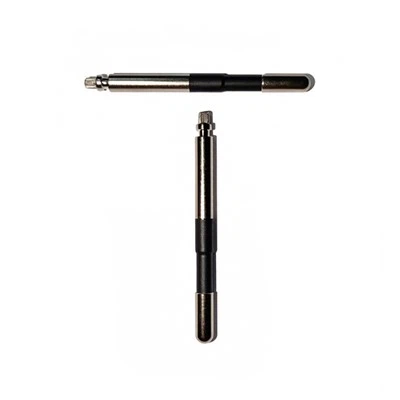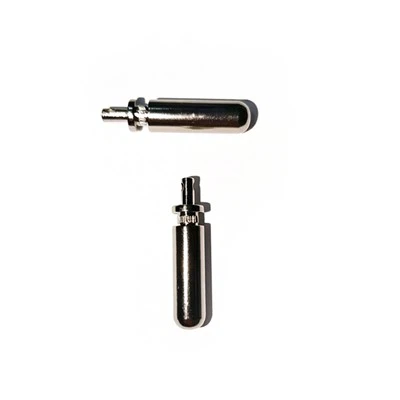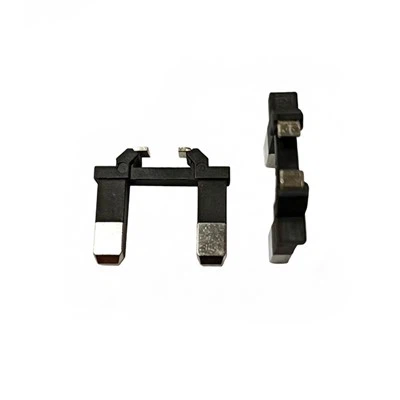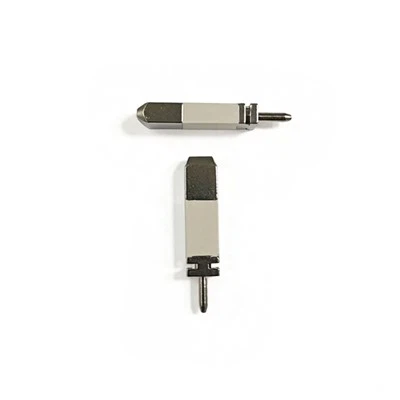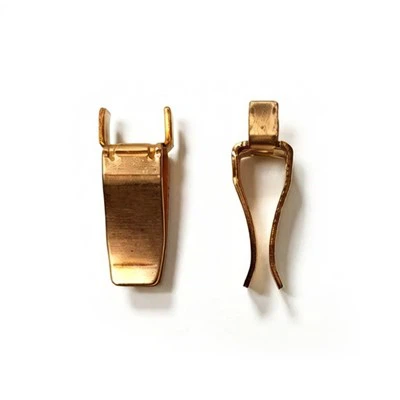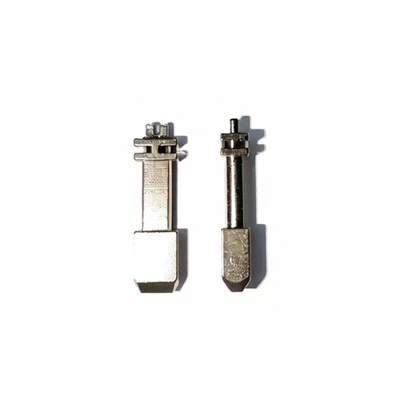


As a supplier of KR Plug Pin Plug Insert Pins, I often encounter questions from customers regarding the corrosion resistance of these products. In this blog, I will delve into the topic of whether KR Plug Pin Plug Insert Pins are corrosion-resistant, exploring the materials used, the factors that affect corrosion, and the measures we take to ensure the durability of our products.

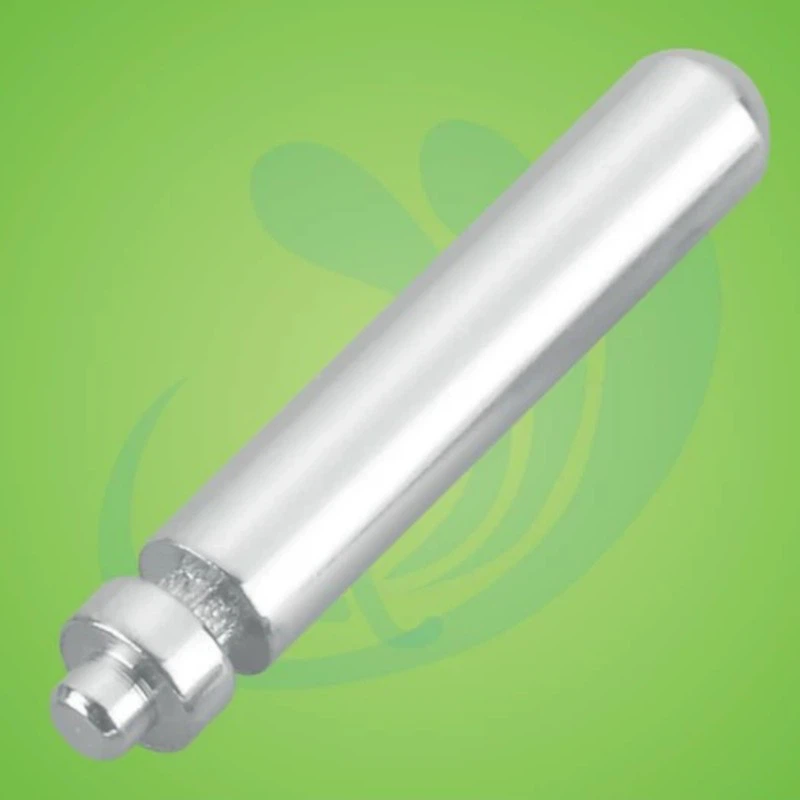
Materials Used in KR Plug Pin Plug Insert Pins
KR Plug Pin Plug Insert Pins are typically made from high-quality materials that are chosen for their electrical conductivity and mechanical strength. One of the most common materials used is brass, which is an alloy of copper and zinc. Brass is known for its excellent electrical conductivity, corrosion resistance, and malleability, making it an ideal choice for electrical connectors.
Brass Plug Insert Pins, such as the Brass Plug Insert Pins Kr Plug Accessories, are widely used in KR plugs due to their ability to resist corrosion in various environments. The copper content in brass provides good electrical conductivity, while the zinc content helps to protect the surface from oxidation and corrosion.
Factors Affecting Corrosion
While brass is generally corrosion-resistant, several factors can affect the performance of KR Plug Pin Plug Insert Pins in corrosive environments. These factors include:
- Environmental Conditions: The presence of moisture, humidity, and chemicals in the environment can accelerate the corrosion process. For example, in coastal areas where the air contains salt particles, the corrosion rate of brass may be higher compared to inland areas.
- Temperature: High temperatures can increase the rate of corrosion, especially in the presence of moisture. In addition, temperature fluctuations can cause thermal expansion and contraction, which may lead to stress cracks in the material.
- Contact with Other Metals: When brass comes into contact with other metals, such as steel or aluminum, a galvanic reaction may occur, which can accelerate corrosion. This is known as galvanic corrosion and can be prevented by using appropriate insulation or coatings.
Measures to Ensure Corrosion Resistance
To ensure the corrosion resistance of our KR Plug Pin Plug Insert Pins, we take several measures during the manufacturing process. These measures include:
- Material Selection: We carefully select high-quality brass alloys that have excellent corrosion resistance properties. Our brass materials are tested to ensure they meet the required standards for electrical conductivity and mechanical strength.
- Surface Treatment: We apply a protective coating to the surface of our KR Plug Pin Plug Insert Pins to enhance their corrosion resistance. This coating acts as a barrier between the brass and the environment, preventing moisture and chemicals from coming into contact with the surface.
- Quality Control: We have a strict quality control system in place to ensure that all our products meet the highest standards of quality and performance. Our products are tested for corrosion resistance using various methods, such as salt spray testing, to ensure they can withstand harsh environmental conditions.
Testing and Certification
To provide our customers with confidence in the corrosion resistance of our KR Plug Pin Plug Insert Pins, we conduct extensive testing and obtain relevant certifications. Our products are tested in accordance with international standards, such as ISO 9227 for salt spray testing, to ensure they meet the required corrosion resistance levels.
In addition, we also obtain certifications from independent testing laboratories, such as UL (Underwriters Laboratories) and CE (Conformité Européene), which further validate the quality and performance of our products. These certifications demonstrate our commitment to providing high-quality, corrosion-resistant products to our customers.
Real-World Applications
KR Plug Pin Plug Insert Pins are used in a wide range of applications, including industrial, commercial, and residential settings. In industrial applications, these pins are used in electrical equipment, such as motors, generators, and control panels, where they need to withstand harsh environmental conditions and high electrical loads.
In commercial and residential settings, KR Plug Pin Plug Insert Pins are used in electrical outlets, switches, and other electrical devices. These pins need to be corrosion-resistant to ensure the safety and reliability of the electrical system.
Conclusion
In conclusion, KR Plug Pin Plug Insert Pins made from high-quality brass are generally corrosion-resistant. However, several factors can affect their performance in corrosive environments, such as environmental conditions, temperature, and contact with other metals. To ensure the corrosion resistance of our products, we take several measures during the manufacturing process, including material selection, surface treatment, and quality control.
We also conduct extensive testing and obtain relevant certifications to provide our customers with confidence in the quality and performance of our products. If you are looking for high-quality, corrosion-resistant KR Plug Pin Plug Insert Pins, please visit our website KR Plug Pin Plug Insert Pin to learn more about our products.
If you have any questions or would like to discuss your specific requirements, please feel free to contact us. We look forward to working with you to provide the best solutions for your electrical needs.
References
- ISO 9227:2017, Corrosion tests in artificial atmospheres - Salt spray tests.
- UL Standards for Safety, Electrical Connectors and Splices.
- CE Marking Directive 2014/30/EU, Electromagnetic Compatibility.