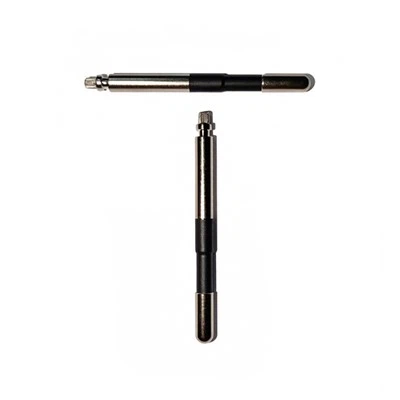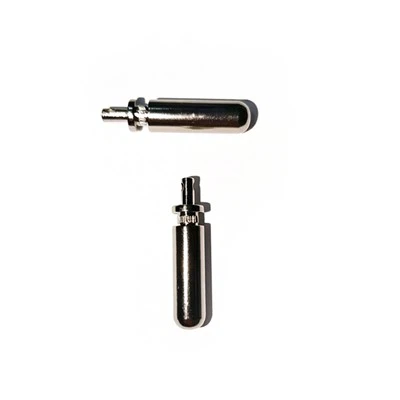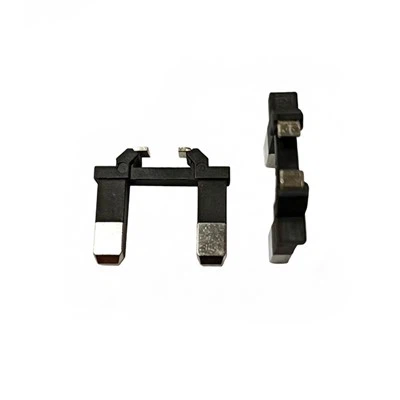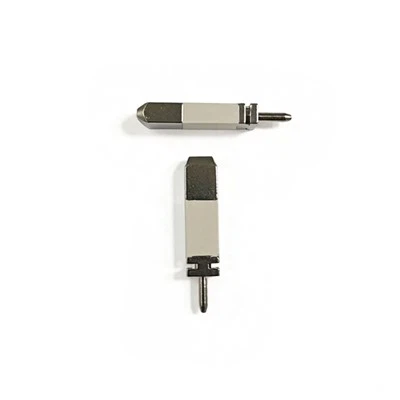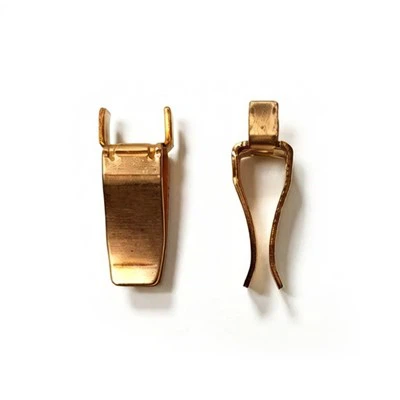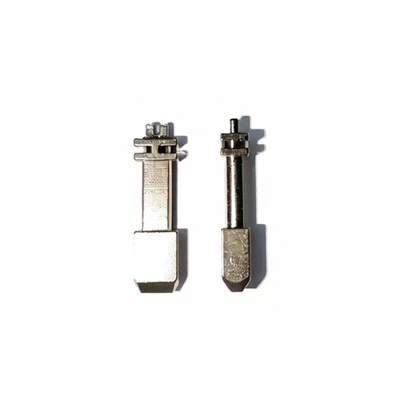


Hey there! As a supplier of electrical brass switch socket parts, I've seen firsthand how crucial it is to select the right type of contact for these components. In this blog, I'll share some tips and insights to help you make the best choice for your electrical projects.


Understanding the Basics of Electrical Contacts
First things first, let's talk about what electrical contacts are and why they're so important. Electrical contacts are the parts of a switch or socket that make and break the electrical circuit. They're responsible for conducting electricity from one point to another, and their performance can have a big impact on the overall functionality and safety of your electrical system.
There are several different types of electrical contacts, each with its own unique properties and applications. The most common types include:
- Copper Contacts: Copper is a highly conductive metal, making it an excellent choice for electrical contacts. It's also relatively inexpensive and easy to work with, which makes it a popular option for many applications.
- Silver Contacts: Silver is even more conductive than copper, which makes it an ideal choice for high-performance applications where low resistance and high reliability are essential. However, silver is also more expensive than copper, so it's typically used in more specialized applications.
- Gold Contacts: Gold is the most conductive metal of all, and it's also highly resistant to corrosion and oxidation. This makes it an excellent choice for applications where reliability and durability are critical, such as in aerospace and medical devices. However, gold is also the most expensive of the three metals, so it's typically used only in the most demanding applications.
Factors to Consider When Selecting Electrical Contacts
Now that you have a basic understanding of the different types of electrical contacts, let's talk about some of the factors you should consider when selecting the right type of contact for your electrical brass switch socket part.
- Electrical Requirements: The first thing you need to consider is the electrical requirements of your application. This includes factors such as the voltage, current, and frequency of the electrical circuit. Different types of contacts are designed to handle different levels of electrical stress, so it's important to choose a contact that can handle the specific requirements of your application.
- Environmental Conditions: Another important factor to consider is the environmental conditions in which the switch socket will be used. This includes factors such as temperature, humidity, and exposure to chemicals or other contaminants. Some types of contacts are more resistant to environmental factors than others, so it's important to choose a contact that can withstand the specific conditions of your application.
- Mechanical Requirements: In addition to the electrical and environmental requirements, you also need to consider the mechanical requirements of your application. This includes factors such as the size, shape, and durability of the contact. Different types of contacts are designed to fit different types of switch sockets, so it's important to choose a contact that is compatible with the specific design of your switch socket.
- Cost: Finally, you need to consider the cost of the contact. Different types of contacts have different costs, so it's important to choose a contact that fits within your budget. However, it's also important to remember that the cheapest option may not always be the best option, as it may not provide the level of performance or reliability that you need.
Choosing the Right Type of Contact for Your Electrical Brass Switch Socket Part
Now that you have a better understanding of the factors to consider when selecting electrical contacts, let's talk about how to choose the right type of contact for your electrical brass switch socket part.
- Determine Your Electrical Requirements: The first step is to determine the electrical requirements of your application. This includes factors such as the voltage, current, and frequency of the electrical circuit. Once you have a clear understanding of these requirements, you can start to narrow down your options and choose a contact that can handle the specific requirements of your application.
- Consider the Environmental Conditions: The next step is to consider the environmental conditions in which the switch socket will be used. This includes factors such as temperature, humidity, and exposure to chemicals or other contaminants. Once you have a clear understanding of these conditions, you can choose a contact that is resistant to the specific environmental factors that your application will be exposed to.
- Evaluate the Mechanical Requirements: In addition to the electrical and environmental requirements, you also need to evaluate the mechanical requirements of your application. This includes factors such as the size, shape, and durability of the contact. Once you have a clear understanding of these requirements, you can choose a contact that is compatible with the specific design of your switch socket.
- Compare Costs: Finally, you need to compare the costs of the different types of contacts. Different types of contacts have different costs, so it's important to choose a contact that fits within your budget. However, it's also important to remember that the cheapest option may not always be the best option, as it may not provide the level of performance or reliability that you need.
Our Products
As a supplier of electrical brass switch socket parts, we offer a wide range of products to meet the needs of our customers. Our products include Copper Connecting Tab for Power Plug, Electrical Brass Switch Socket Part, and Electrical Brass Stamping Parts for Switch Socket.
Our products are made from high-quality materials and are designed to provide reliable performance and long-lasting durability. We also offer a range of customization options to meet the specific needs of our customers. Whether you need a standard product or a custom-designed solution, we can help you find the right electrical brass switch socket part for your application.
Contact Us
If you're interested in learning more about our products or have any questions about selecting the right type of contact for your electrical brass switch socket part, please don't hesitate to contact us. We're here to help you find the best solution for your needs and to provide you with the support and guidance you need to make the right decision.
References
- "Electrical Contacts: Principles and Applications" by Ralph A. Dunlop
- "Handbook of Electrical Contacts" by Robert J. Holm
- "Electrical Contact Materials: Properties, Applications, and Testing" by David A. Bell