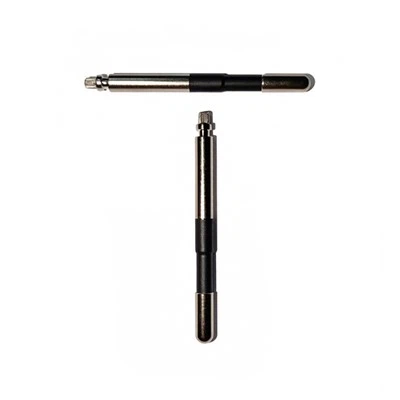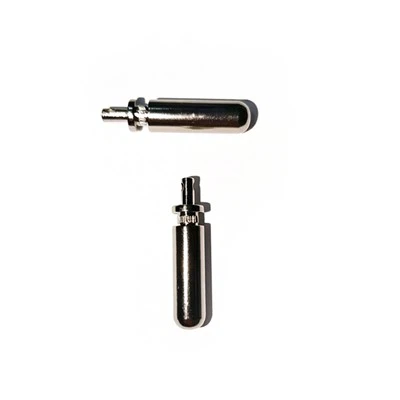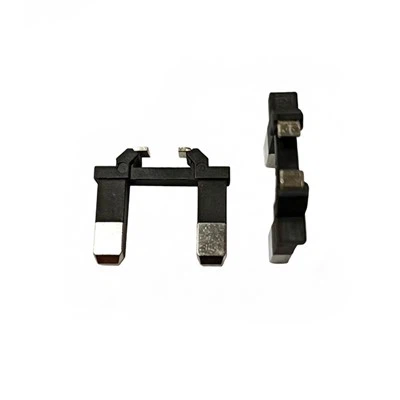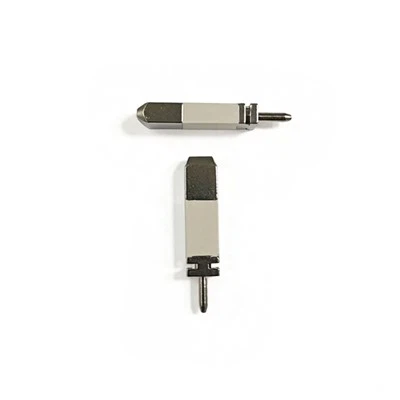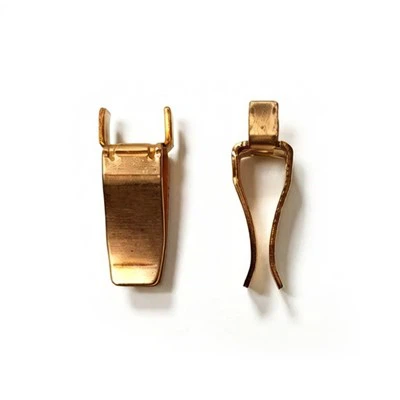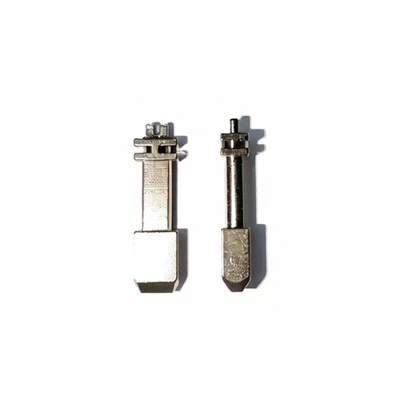


In the world of electrical components, the KR Plug Pin Plug Insert Pin stands as a crucial element, playing a vital role in ensuring secure and efficient electrical connections. As a dedicated supplier of KR Plug Pin Plug Insert Pin, I often encounter inquiries about the availability of different pin lengths. This blog post aims to delve into this topic, exploring the options for various pin lengths in the KR Plug Pin Plug Insert Pin and their implications.
Understanding the KR Plug Pin Plug Insert Pin
Before we dive into the details of pin lengths, it's essential to understand the KR Plug Pin Plug Insert Pin itself. These pins are designed to fit into corresponding sockets, providing a reliable electrical connection between devices. They are commonly used in a wide range of applications, from household appliances to industrial equipment.
The KR Plug Pin Plug Insert Pin is typically made from high-quality materials such as brass, which offers excellent conductivity and durability. The design of these pins ensures a snug fit, preventing loose connections that could lead to electrical hazards or performance issues.
Importance of Pin Length
The length of the pin in a KR Plug Pin Plug Insert Pin is a critical factor that can significantly impact its performance. Different applications may require pins of varying lengths to accommodate specific requirements. Here are some key reasons why pin length matters:
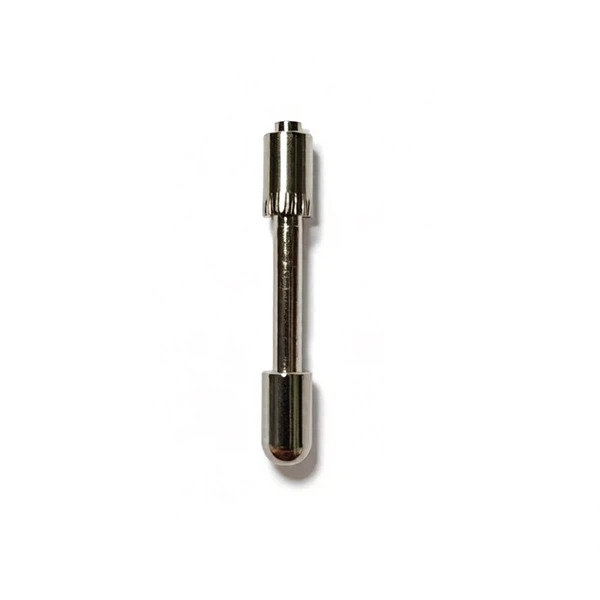

- Compatibility: The pin length must be compatible with the socket it is intended to fit into. If the pin is too short, it may not make proper contact with the socket, resulting in a weak or intermittent connection. On the other hand, if the pin is too long, it may not fit into the socket at all or could cause damage to the socket.
- Electrical Performance: The length of the pin can affect the electrical resistance and current-carrying capacity of the connection. Longer pins may have higher resistance, which can lead to power losses and reduced efficiency. Therefore, it's important to choose the appropriate pin length to ensure optimal electrical performance.
- Mechanical Stability: The pin length also plays a role in the mechanical stability of the connection. Longer pins may provide better stability and support, especially in applications where there is a risk of vibration or movement.
Options for Different Pin Lengths
As a supplier of KR Plug Pin Plug Insert Pin, we offer a variety of pin lengths to meet the diverse needs of our customers. Here are some common options:
- Standard Pin Lengths: We offer a range of standard pin lengths that are commonly used in various applications. These lengths are carefully selected to ensure compatibility with most sockets and to provide optimal electrical performance.
- Custom Pin Lengths: In addition to our standard pin lengths, we also offer custom pin lengths to meet specific customer requirements. Our experienced team can work with you to design and manufacture pins of the exact length you need.
- Brass Plug Insert Pins: Our Brass Plug Insert Pins Kr Plug Accessories are available in different pin lengths, providing you with a wide range of options to choose from. These pins are made from high-quality brass, ensuring excellent conductivity and durability.
Factors to Consider When Choosing Pin Length
When choosing the appropriate pin length for your application, there are several factors to consider. Here are some key considerations:
- Socket Design: The design of the socket you are using will determine the maximum and minimum pin lengths that can be accommodated. Make sure to check the specifications of the socket before selecting a pin length.
- Electrical Requirements: Consider the electrical requirements of your application, such as the current-carrying capacity and voltage. Longer pins may have higher resistance, which can affect the electrical performance of the connection.
- Mechanical Considerations: If your application involves vibration or movement, you may need to choose a pin length that provides better mechanical stability. Longer pins may offer more support and reduce the risk of loose connections.
- Space Constraints: In some applications, space may be limited, which can affect the choice of pin length. Make sure to consider the available space when selecting a pin length.
Conclusion
In conclusion, the KR Plug Pin Plug Insert Pin offers a variety of options for different pin lengths, allowing you to choose the one that best suits your specific needs. Whether you need a standard pin length or a custom solution, our team of experts can help you find the right pin for your application.
As a leading supplier of KR Plug Pin Plug Insert Pin, we are committed to providing high-quality products and excellent customer service. If you have any questions or need further information about our products, please don't hesitate to contact us. We look forward to working with you to meet your electrical component needs.
References
- Electrical Engineering Handbook, Third Edition, edited by Richard C. Dorf.
- Handbook of Electrical Contacts, Second Edition, by David A. Holcomb.