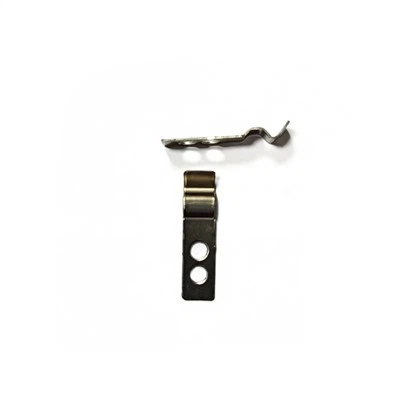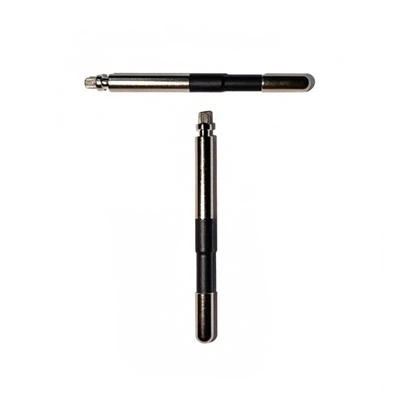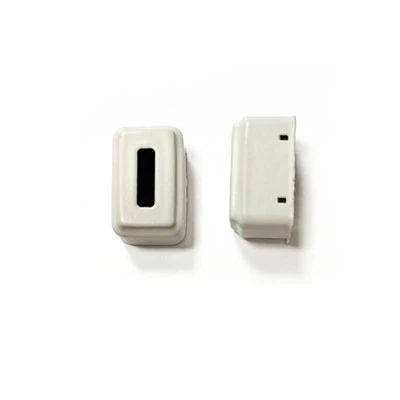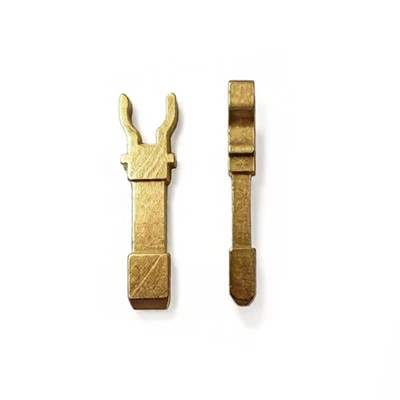


As a supplier of EU standard plug pins, I've often been asked whether these plug pins are designed for long - term use. This question is not only relevant to consumers but also to businesses that rely on electrical devices. In this blog, I'll delve into the design, materials, and factors that affect the long - term usability of EU standard plug pins.
Design of EU Standard Plug Pins
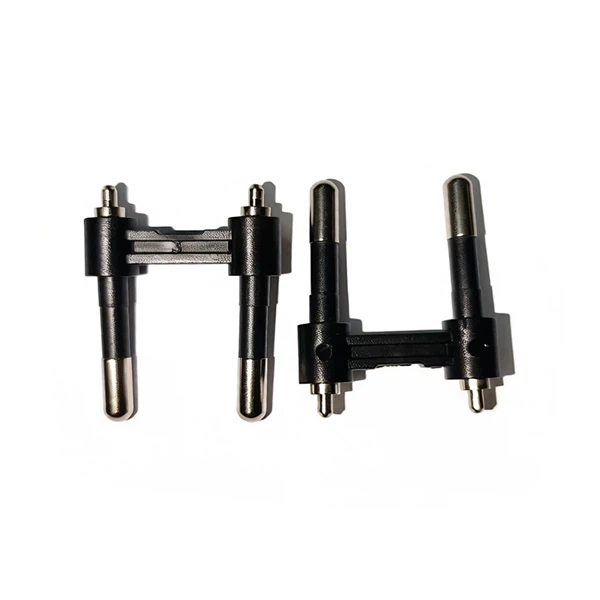
The EU standard plug pins are designed with specific dimensions and safety features. The most common type is the Type C plug, which has two round pins. This design is based on the European standard EN 50075, which ensures compatibility and safety across different European countries. The pins are precisely sized to fit into the corresponding sockets, providing a secure connection.
The shape and size of the pins are optimized to minimize the risk of accidental disconnection. The round shape allows for a more even distribution of electrical current, reducing the chances of overheating. Additionally, the pins are designed to be inserted and removed easily, which is important for everyday use.
Materials Used in EU Standard Plug Pins
The materials used in EU standard plug pins play a crucial role in their long - term durability. Most plug pins are made of brass or copper. Brass is a popular choice because it is corrosion - resistant and has good electrical conductivity. Copper, on the other hand, is an excellent conductor of electricity and is often used in high - quality plug pins.
Brass plug pins are more resistant to wear and tear compared to other materials. They can withstand repeated insertions and removals without losing their shape or conductivity. Copper plug pins, although more expensive, offer even better electrical performance. They are often used in applications where high - quality electrical connections are required.
For example, our Plug Insert Pin Brass Plug EU Pin is made of high - grade brass, which ensures long - term reliability. The brass material is carefully selected to meet the EU standards for electrical safety and performance.
Factors Affecting Long - Term Use
Several factors can affect the long - term use of EU standard plug pins. One of the main factors is the quality of the manufacturing process. A well - made plug pin will have smooth surfaces and precise dimensions, which reduce the risk of wear and tear.
Another factor is the environment in which the plug pins are used. If the plug pins are exposed to high humidity, extreme temperatures, or corrosive substances, their lifespan can be significantly reduced. For example, in a bathroom or a kitchen, where there is a lot of moisture, the plug pins may corrode more quickly.

The frequency of use also plays a role. If a plug is inserted and removed frequently, the pins may wear out faster. However, if the plug is used in a stable environment and is not subjected to excessive stress, it can last for a long time.
Testing and Certification
To ensure the long - term use of EU standard plug pins, they must undergo rigorous testing and certification. The EU has strict standards for electrical safety, and plug pins must meet these standards before they can be sold in the European market.
The testing process includes checks for electrical conductivity, mechanical strength, and resistance to corrosion. Plug pins that pass these tests are certified as compliant with the EU standards. This certification provides consumers and businesses with confidence in the quality and durability of the plug pins.
Our Plug Insert Pin Eu Standard Plug Pin has undergone extensive testing and is certified to meet the EU standards. This means that our customers can trust that our plug pins are designed for long - term use.
Maintenance and Care
Proper maintenance and care can also extend the lifespan of EU standard plug pins. It is important to keep the plug pins clean and dry. If the pins become dirty, they can be gently cleaned with a soft cloth. Avoid using abrasive materials, as they can damage the surface of the pins.
When inserting or removing the plug, make sure to do it gently. Avoid applying excessive force, as this can bend or damage the pins. If the plug is not used for a long time, it is a good idea to store it in a dry place.
Our Product Range
We offer a wide range of EU standard plug pins to meet the diverse needs of our customers. Our Brass Copper Plug Insert Pin EU Plug Pin combines the benefits of brass and copper, providing excellent electrical conductivity and long - term durability.
Whether you are a consumer looking for a reliable plug for your home appliances or a business in need of high - quality plug pins for your electrical products, we have the right solution for you. Our products are designed to meet the highest standards of quality and performance.
Conclusion
In conclusion, EU standard plug pins are indeed designed for long - term use. The design, materials, and manufacturing processes are carefully engineered to ensure durability and safety. However, proper maintenance and care are also essential to maximize the lifespan of the plug pins.
If you are interested in purchasing EU standard plug pins, we invite you to contact us for a detailed discussion. We are committed to providing high - quality products and excellent customer service. Let's work together to find the best plug pin solution for your needs.
References
- European standard EN 50075 for electrical plugs and sockets.
- Technical literature on materials used in electrical components, including brass and copper.