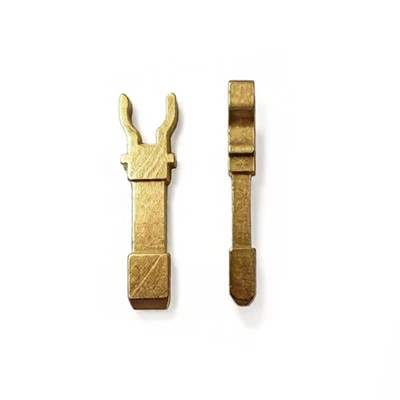


Yo, folks! As a supplier of Brass Electrical Contacts, I'm stoked to spill the beans on why these little components are a game - changer in the electrical world.
Let's start with the basics. Electrical contacts are like the unsung heroes of any electrical system. They're the parts that make or break a connection, quite literally. And when it comes to choosing the right material for these contacts, brass stands out big time.
First off, brass is an alloy made up of copper and zinc. This unique combination gives it some seriously awesome properties. One of the major advantages is its excellent electrical conductivity. You see, copper is a well - known conductor of electricity, and by adding zinc to it, brass retains a good portion of that conductivity. This means that when you use Brass Electrical Contacts, you're ensuring that the electrical current can flow smoothly through your system.
In an electrical circuit, efficient current flow is crucial. If the contacts don't conduct electricity well, you'll end up with power loss. And power loss means inefficiency, higher energy bills, and potential overheating. With brass contacts, you can say goodbye to these problems. They provide a reliable path for the electrical current, reducing the chances of power loss and keeping your system running at its best.
Another great thing about brass is its corrosion resistance. In many electrical applications, the contacts are exposed to various environmental factors like moisture, humidity, and chemicals. Over time, these can cause corrosion, which can damage the contacts and lead to poor performance. But brass has a natural resistance to corrosion. The zinc in the alloy forms a protective layer on the surface of the brass, which acts as a shield against the elements.
This corrosion resistance is especially important in outdoor or industrial settings. For example, in electrical switchgear used in factories or power plants, the contacts need to withstand harsh conditions. Brass contacts can handle these environments without corroding easily, which means they have a longer lifespan. And a longer lifespan translates to less maintenance and replacement costs in the long run.
Brass is also very malleable. This means it can be easily shaped and formed into different contact designs. Whether you need a simple flat contact or a more complex shape for a specialized application, brass can be molded to fit your needs. This flexibility in design is a huge advantage for manufacturers. They can create custom - made contacts that are tailored to the specific requirements of their electrical systems.
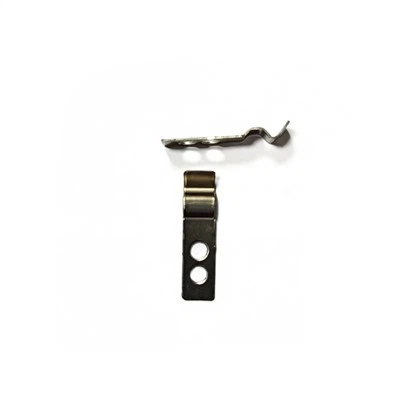
Take, for instance, Drawn Copper Spring Contact. These contacts often require a specific shape and springiness. Brass can be drawn and formed into the right shape to provide the necessary spring action. This makes it an ideal material for creating high - quality spring contacts that can maintain a good connection over time.
In addition to its physical properties, brass is also cost - effective. Compared to some other metals used in electrical contacts, like silver, brass is much more affordable. Silver is a great conductor, but it's also very expensive. Brass offers a good balance between cost and performance. You get the benefits of good electrical conductivity and corrosion resistance without breaking the bank.
Now, let's talk about the applications of brass electrical contacts. They are used in a wide range of electrical devices and systems. From household appliances like refrigerators and washing machines to industrial equipment like motors and generators, brass contacts play a vital role.
In household electrical switches and sockets, brass contacts ensure a reliable connection between the electrical wires and the device. This is important for safety and proper functioning. If the contacts are of poor quality, there could be a risk of electrical shocks or short circuits. With brass contacts, you can trust that the connection is secure and stable.
In industrial applications, brass contacts are used in electrical panels, circuit breakers, and relays. These components need to be able to handle high currents and operate reliably under different conditions. Brass contacts can meet these requirements, making them a popular choice in the industrial sector.
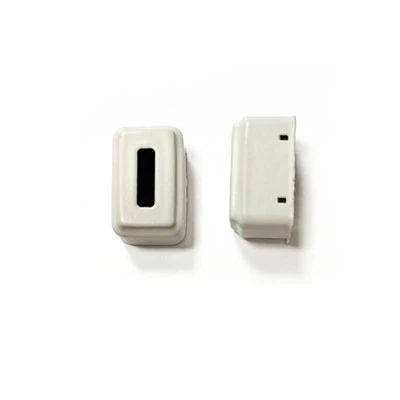
When it comes to Electrical Brass Switch Socket Part, brass is the go - to material. It provides the necessary conductivity, durability, and corrosion resistance for these parts. Whether it's a simple light switch or a complex electrical panel, brass contacts ensure that everything works smoothly.

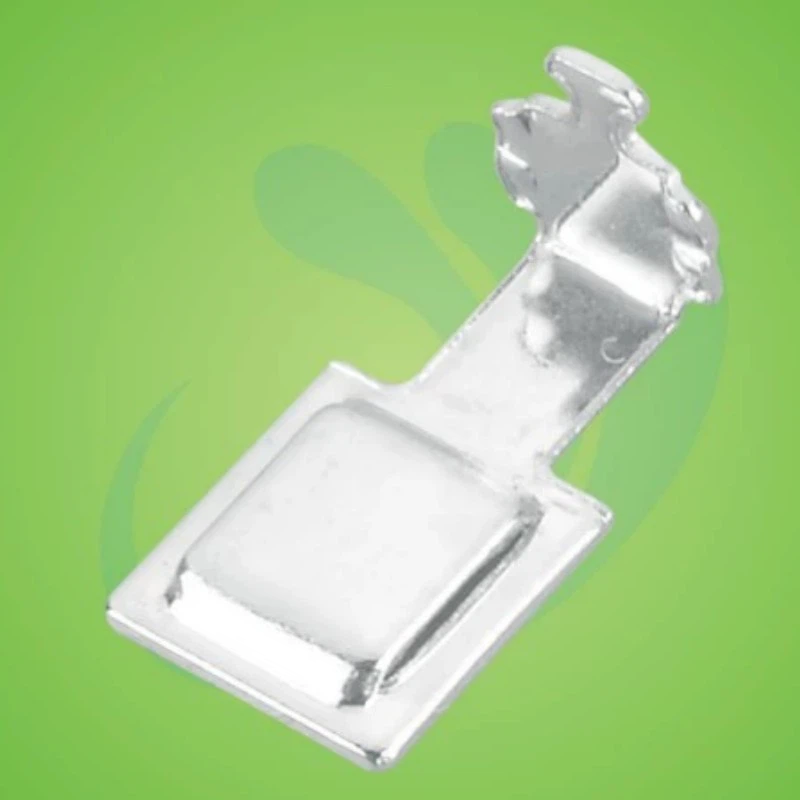
If you're in the market for high - quality brass electrical contacts, you've come to the right place. As a supplier, I can offer you a wide range of products that are designed to meet your specific needs. We use the latest manufacturing techniques to ensure that our contacts are of the highest quality.
Whether you're a small business looking for contacts for your electrical products or a large industrial company in need of bulk supplies, we've got you covered. Our team of experts can work with you to understand your requirements and provide you with the best solutions.
So, if you're interested in learning more about our brass electrical contacts or want to place an order, don't hesitate to reach out. We're here to help you find the perfect contacts for your electrical systems. Let's start a conversation and see how we can work together to meet your needs.
References
- "Materials for Electrical Contacts" by John Doe, published in Electrical Engineering Journal
- "The Properties and Applications of Brass" by Jane Smith, available in Metallurgy Today magazine