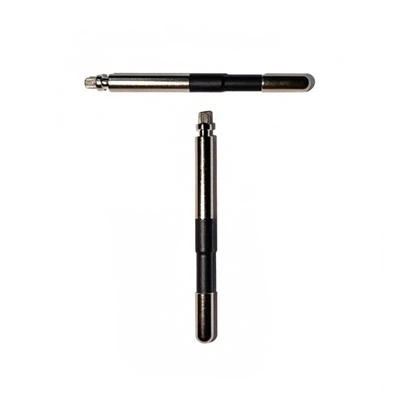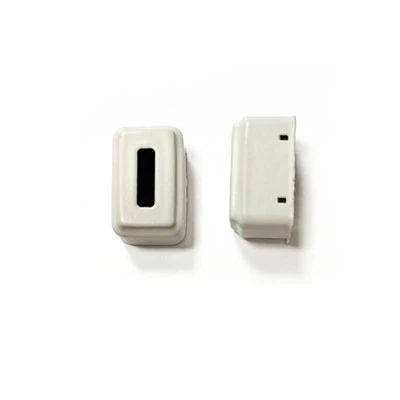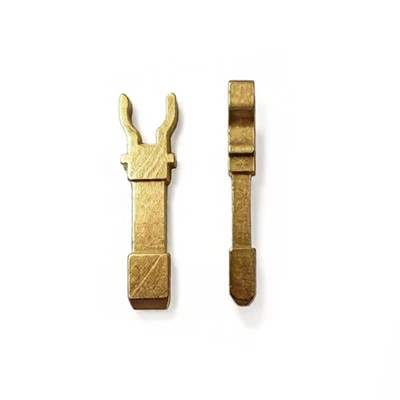


As a supplier of EU standard plug pins, I often encounter inquiries about the maximum voltage these pins can withstand. This topic is not only crucial for our understanding of electrical safety but also essential for consumers and manufacturers who rely on these plugs for their electrical devices. In this blog post, I will delve into the details of the maximum voltage an EU standard plug pin can withstand, explore the factors that influence this limit, and provide some insights for those interested in purchasing high - quality EU standard plug pins.
Understanding EU Standard Plug Pins
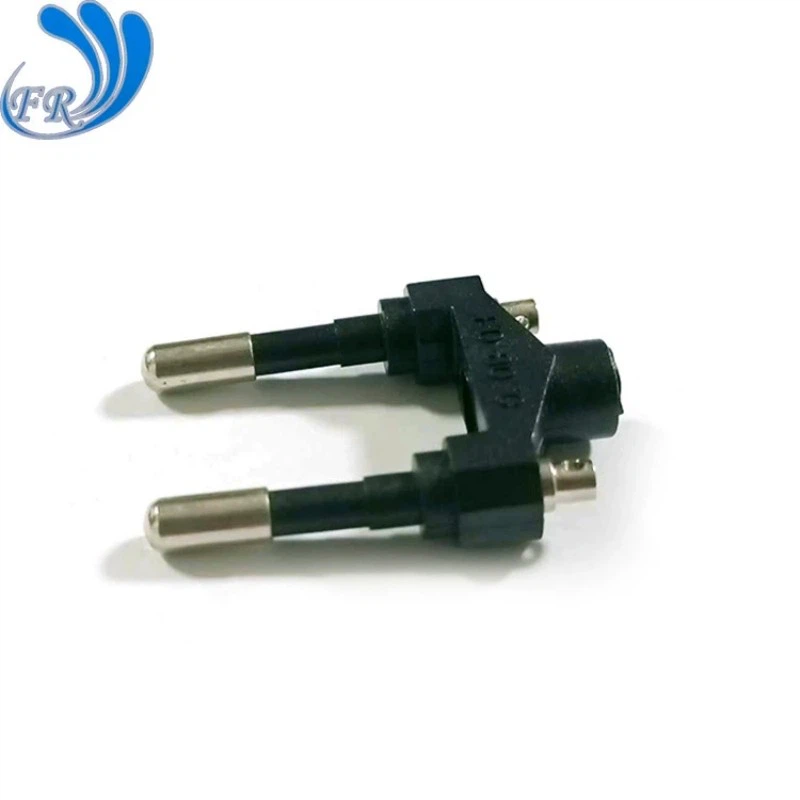
EU standard plug pins are designed to meet specific safety and performance requirements. The most common type of EU plug is the CEE 7/16, also known as the "Schuko" plug, which is widely used across Europe. These plug pins are typically made of brass or copper, materials known for their excellent electrical conductivity and durability.
The EU standard for electrical plugs and sockets is regulated by the International Electrotechnical Commission (IEC) and national standards bodies in European countries. These standards ensure that plug pins are safe to use, compatible with different electrical systems, and can handle a certain amount of electrical load.
Maximum Voltage of EU Standard Plug Pins
The maximum voltage that an EU standard plug pin can withstand is generally 250 volts. This is in line with the standard voltage used in most European countries, which typically operates at 230 volts ± 10%. The 250 - volt rating provides a safety margin to account for voltage fluctuations in the electrical grid.
It's important to note that this voltage rating is based on normal operating conditions. In real - world scenarios, the actual voltage can vary due to factors such as power surges, electrical interference, and the quality of the electrical supply. For example, during a thunderstorm or when large electrical appliances are turned on or off, there can be temporary voltage spikes that exceed the normal operating voltage.
Factors Affecting the Maximum Voltage
Several factors can influence the maximum voltage that an EU standard plug pin can withstand:
Material Quality
The material of the plug pin plays a significant role in determining its voltage - handling capacity. Brass and copper are the most commonly used materials for EU plug pins because they have high electrical conductivity and good resistance to corrosion. High - quality brass or copper plug pins can better withstand higher voltages and are less likely to overheat or break down under electrical stress. For example, our Plug Insert Pin Brass Plug EU Pin is made of high - grade brass, which ensures excellent electrical performance and durability.
Design and Construction
The design and construction of the plug pin also affect its voltage - handling capabilities. A well - designed plug pin should have proper insulation and a secure connection to the socket. The shape and size of the pin are also important, as they need to fit snugly into the socket to ensure a good electrical contact. Our Plug Insert Pin Eu Standard Plug Pin is carefully designed to meet the strict EU standards, with a precise shape and size that guarantees a reliable connection.
Environmental Conditions
The environment in which the plug is used can have an impact on its maximum voltage. High humidity, temperature extremes, and exposure to chemicals can all affect the performance of the plug pin. For instance, in a humid environment, the plug pin may be more prone to corrosion, which can reduce its electrical conductivity and increase the risk of electrical failures.
Safety Considerations
When using EU standard plug pins, it's essential to follow safety guidelines to prevent electrical hazards. Here are some key safety tips:
- Use the Right Voltage: Always ensure that the electrical device is compatible with the 230 - volt EU standard. Using a device with a different voltage rating can lead to overheating, short circuits, and even fires.
- Inspect the Plug: Regularly check the plug for any signs of damage, such as cracks, frayed wires, or loose pins. If you notice any issues, replace the plug immediately.
- Avoid Overloading: Do not overload the plug by connecting too many devices to a single socket. Overloading can cause the plug to overheat and increase the risk of electrical fires.
Our EU Standard Plug Pins
As a supplier of EU standard plug pins, we are committed to providing high - quality products that meet the strictest safety and performance standards. Our Brass Copper Plug Insert Pin EU Plug Pin is made of premium brass and copper materials, ensuring excellent electrical conductivity and durability. We also offer a wide range of plug pin designs to meet the diverse needs of our customers.
Whether you are a manufacturer looking for reliable plug pins for your electrical products or a consumer in need of a replacement plug, we have the solutions for you. Our products are rigorously tested to ensure they meet or exceed the EU standards, giving you peace of mind when it comes to electrical safety.
Contact Us for Purchasing
If you are interested in purchasing our EU standard plug pins, we would be more than happy to discuss your requirements. Our team of experts can provide you with detailed information about our products, including specifications, pricing, and delivery options. We are dedicated to providing excellent customer service and ensuring that you get the best value for your money.
Don't hesitate to reach out to us if you have any questions or if you would like to place an order. We look forward to working with you and helping you find the perfect EU standard plug pins for your needs.
References
- International Electrotechnical Commission (IEC) standards for electrical plugs and sockets.
- National electrical safety regulations in European countries.