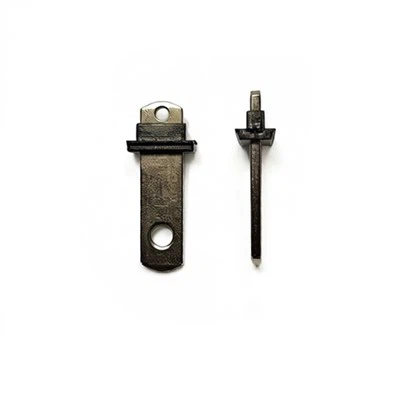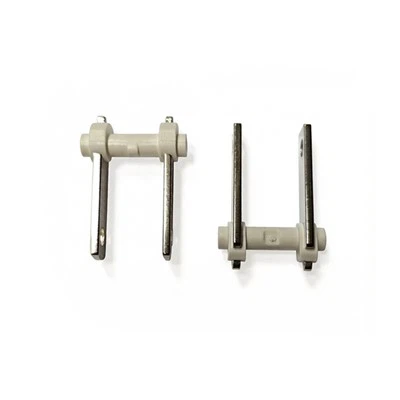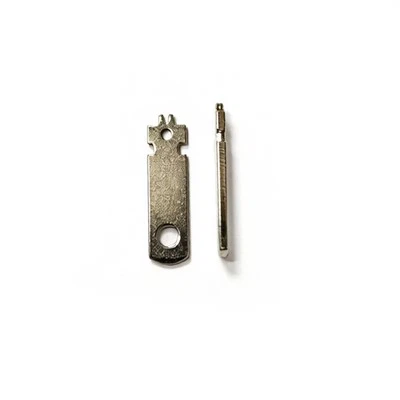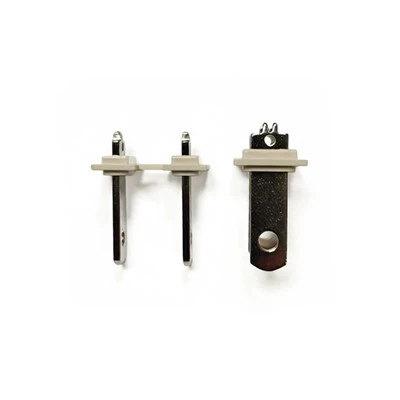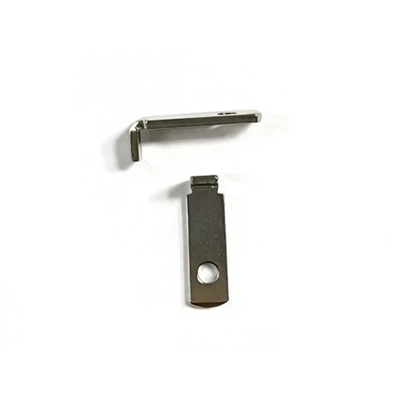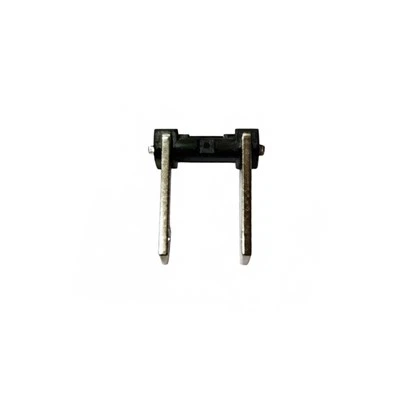

When selecting standard inserts, safety standards, materials and processes, and usage requirements should be considered comprehensively to ensure product reliability and durability.
When selecting a model, first determine whether insulation (such as PVC or nylon insulated terminals) or bare terminals are required; then determine the terminal shape based on the usage environment; finally, confirm the specific size and model based on the cable diameter and screw hole diameter.
Material: The panel should be made of high-quality PC (polycarbonate) material, which is highly flame-retardant, impact-resistant, and aging-resistant, and does not easily yellow or deform over long-term use. Avoid using ABS material, which is prone to yellowing and brittleness.
Internal Conductors: Current-carrying components (such as sockets) should be made of tin-phosphor bronze, which has good conductivity, oxidation resistance, and high fatigue strength, ensuring long-term stable power transmission. Avoid using brass material, which is prone to oxidation and deformation.
A professional crimping tool must be used when crimping. The standard operating procedure is as follows: Use a tool to strip the outer sheath of the wire to the appropriate length; insert the crimping terminal into the corresponding slot of the crimping tool and gently clamp it; insert the wire into the terminal; tighten the crimping tool until it automatically releases. Always crimp before inserting the wire.