
The quality of an insert depends on the materials and manufacturing process of its core components:
Panel Material: High-quality insert panels typically use imported PC (polycarbonate) material, which has flame-retardant, impact-resistant, and non-yellowing properties. Avoid using ABS or nylon materials, as these materials are inferior in flame retardancy and durability.
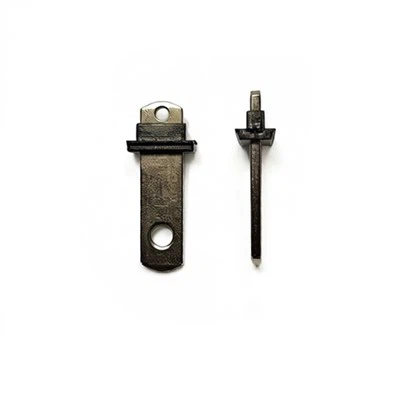
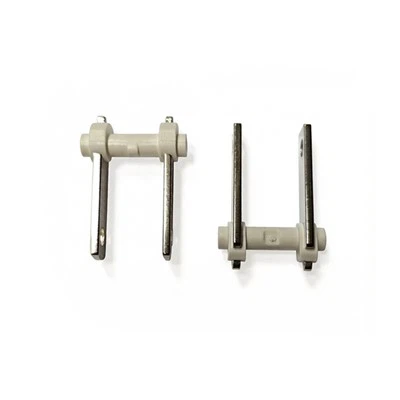
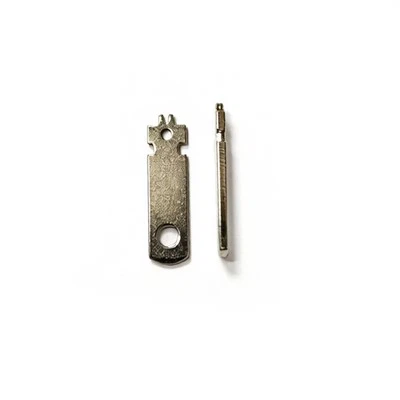
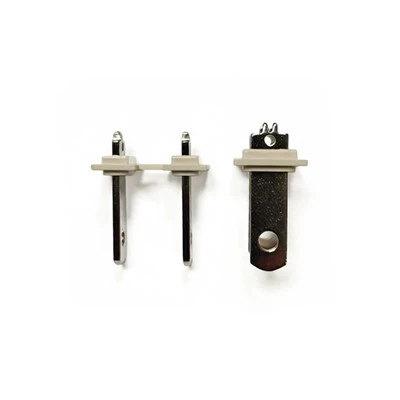
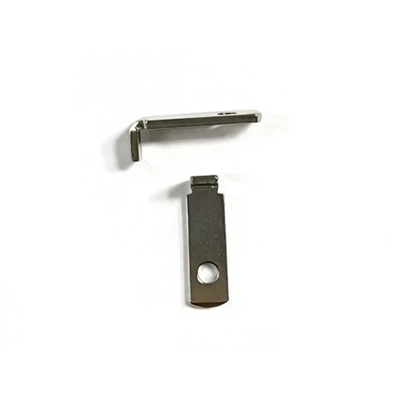
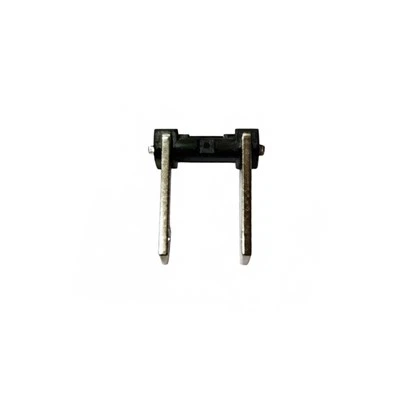
Conductive Copper Components: Copper components are the core current-carrying components of the insert.
Material: Tin-phosphor bronze is currently the best-performing current-carrying material, with good conductivity, elasticity, and durability.
Manufacturing Process: One-piece molded copper sheets have lower resistance and better elasticity than riveted ones. Thicker and longer copper sheets generally mean better elasticity and longer service life, and can provide wider socket spacing for convenient simultaneous use.
Terminal blocks: Common wiring methods include saddle terminals, clamp terminals, and quick-connect terminals. Among these, saddle terminals are currently the mainstream and balanced choice, reliably connecting wires of different thicknesses.