

What is the lifespan of an electrical brass switch socket part?
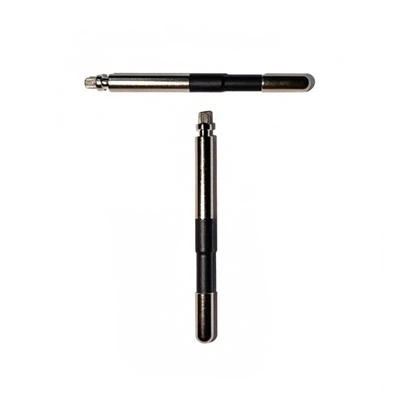
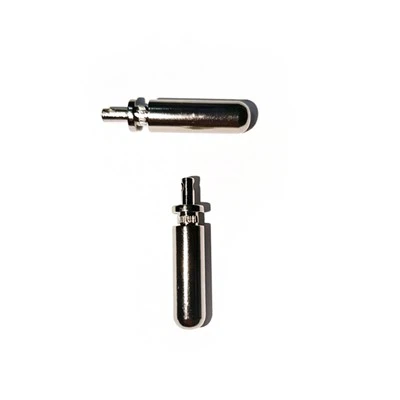
In the realm of electrical systems, switch socket parts play a crucial role. As a supplier of electrical brass switch socket parts, I've witnessed firsthand the importance of understanding the lifespan of these components. This knowledge not only helps in ensuring the safety and reliability of electrical installations but also aids in making informed decisions for both consumers and industry professionals.
Factors Affecting the Lifespan of Electrical Brass Switch Socket Parts
The lifespan of electrical brass switch socket parts is influenced by a multitude of factors. One of the primary factors is the quality of the brass material used. High - grade brass, which contains a proper proportion of copper and zinc, offers better conductivity and corrosion resistance. For instance, brass with a high copper content can provide excellent electrical conductivity, reducing the risk of overheating and wear.
Another significant factor is the manufacturing process. Precision manufacturing techniques ensure that the switch socket parts are well - formed, with accurate dimensions and smooth surfaces. This reduces friction during operation and minimizes the chances of mechanical failure. Components produced using advanced stamping and machining processes are more likely to have a longer lifespan compared to those made with sub - standard methods.
The operating environment also has a profound impact on the lifespan of these parts. In a harsh environment with high humidity, extreme temperatures, or exposure to chemicals, the brass parts are more prone to corrosion and degradation. For example, in industrial settings where there are high levels of dust and pollutants, the switch socket parts may experience accelerated wear. On the other hand, in a clean and stable indoor environment, the parts can last much longer.
Typical Lifespan of Electrical Brass Switch Socket Parts
On average, well - made electrical brass switch socket parts can last anywhere from 15 to 25 years. However, this is a general estimate, and the actual lifespan can vary significantly depending on the factors mentioned above.
For simple switch socket parts that are used in low - load applications, such as in a residential lighting circuit, the lifespan can be towards the higher end of the range. These parts are subjected to relatively low electrical currents and less frequent use, which reduces the stress on the components.
In contrast, switch socket parts used in high - load applications, like in industrial machinery or commercial buildings, may have a shorter lifespan. The high electrical currents and frequent switching operations can cause more wear and tear on the brass parts.
Specific Components and Their Lifespan
Let's take a look at some specific components of electrical brass switch socket parts and their typical lifespans.
-
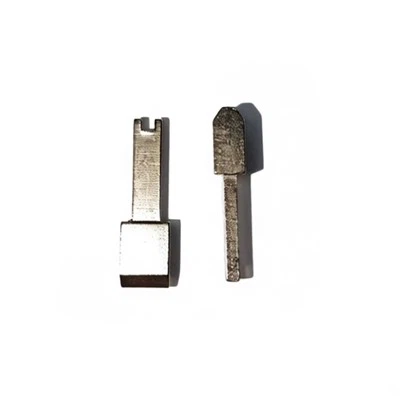
Drawn Copper Spring Contact: The Drawn Copper Spring Contact is an essential part of many switch socket assemblies. These contacts are designed to provide a reliable electrical connection. Due to their spring - like nature, they are subject to repeated bending and flexing during use. A well - designed and high - quality drawn copper spring contact can last for about 100,000 to 500,000 switching cycles. This can translate to several years of use, depending on the frequency of switching.
-
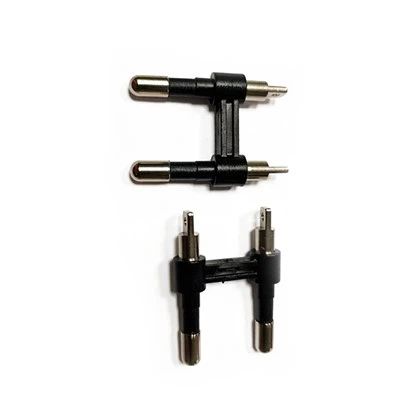
Copper Connecting Tab for Power Plug: The Copper Connecting Tab for Power Plug is responsible for connecting the power plug to the electrical circuit. It needs to withstand the electrical current flowing through it and maintain a stable connection. With proper installation and normal use, these tabs can last for 15 to 20 years. However, if they are exposed to excessive heat or mechanical stress, their lifespan may be significantly reduced.
-
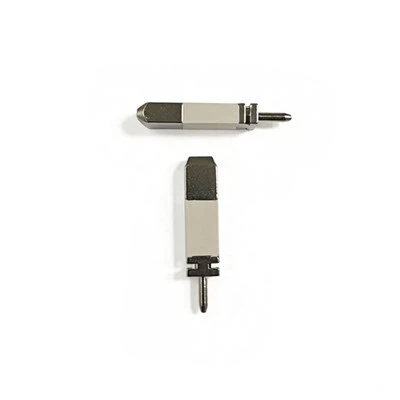
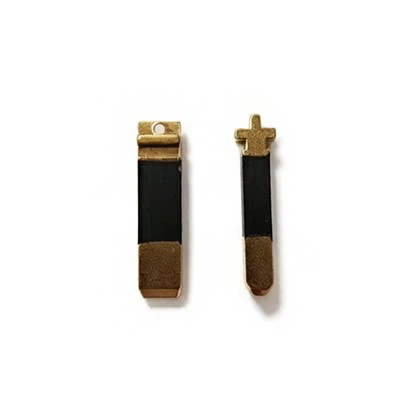
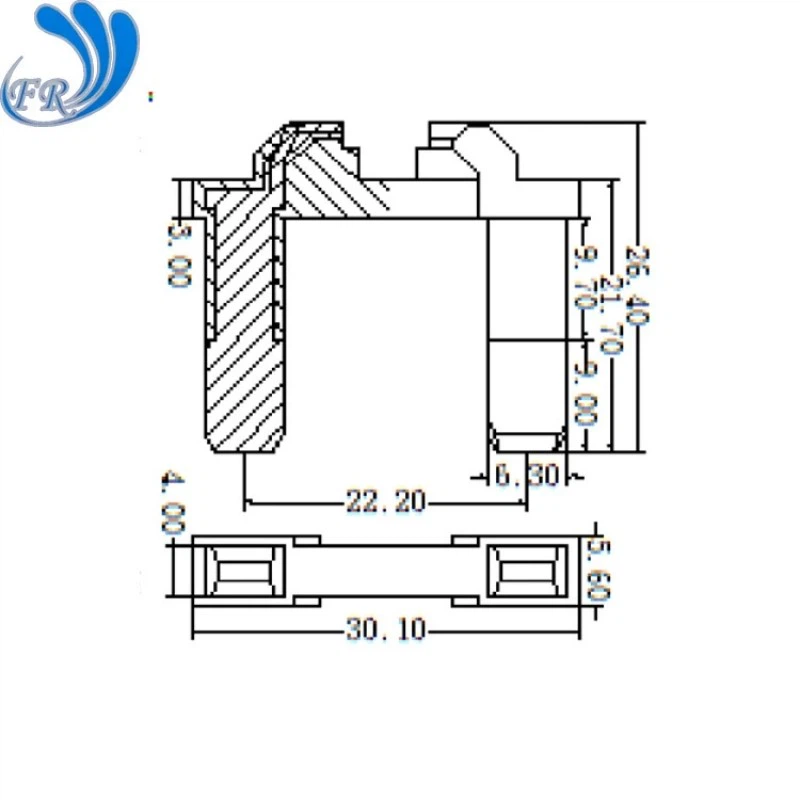
Electrical Brass Stamping Parts for Switch Socket: The Electrical Brass Stamping Parts for Switch Socket are used in various parts of the switch socket, such as the contacts and the housing. These parts are typically made through a stamping process, which ensures high precision and consistency. When made from high - quality brass and used in a suitable environment, these stamping parts can last for 20 to 25 years.
Extending the Lifespan of Electrical Brass Switch Socket Parts
There are several steps that can be taken to extend the lifespan of electrical brass switch socket parts.
-
Proper Installation: Ensuring that the switch socket parts are installed correctly is crucial. This includes proper wiring, correct alignment, and secure fastening. Incorrect installation can lead to loose connections, which can cause overheating and premature failure.
-
Regular Maintenance: Regular inspection and cleaning of the switch socket parts can help detect any signs of wear or damage early. This allows for timely replacement of parts before they fail completely. For example, cleaning the contacts can remove any dirt or oxidation that may affect the electrical connection.

-
Using High - Quality Parts: As a supplier, I always emphasize the importance of using high - quality electrical brass switch socket parts. Investing in parts made from high - grade brass and manufactured using advanced techniques can significantly extend their lifespan.
Conclusion
Understanding the lifespan of electrical brass switch socket parts is essential for ensuring the safety and reliability of electrical systems. By considering the factors that affect the lifespan, such as the quality of the material, the manufacturing process, and the operating environment, we can make informed decisions about the use and maintenance of these parts.
As a supplier of electrical brass switch socket parts, I am committed to providing high - quality products that meet the needs of our customers. Whether you are a homeowner, an electrician, or an industrial professional, if you are in the market for reliable electrical brass switch socket parts, I encourage you to contact us for a detailed discussion. We can provide you with the right products and technical support to ensure the long - term performance of your electrical installations.
References
- "Electrical Engineering Handbook" by Richard C. Dorf
- "Materials Science and Engineering: An Introduction" by William D. Callister, Jr.
- Industry reports on electrical switch socket components.