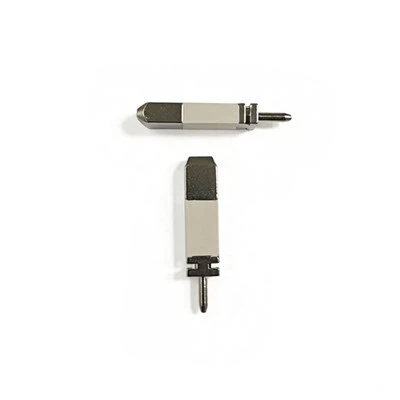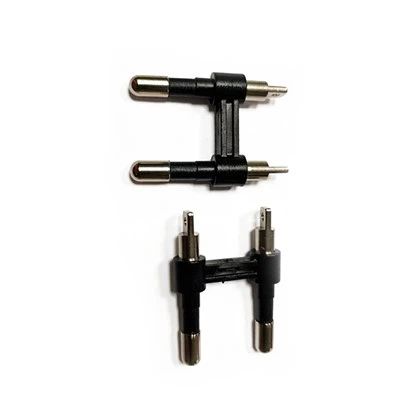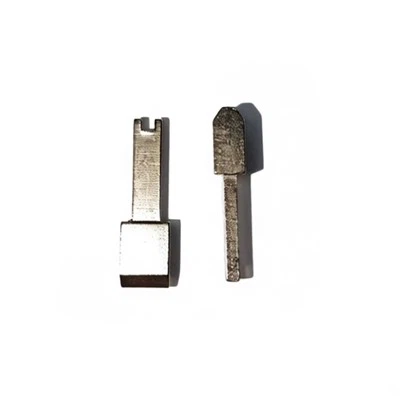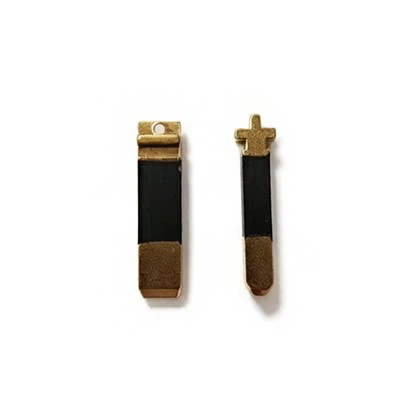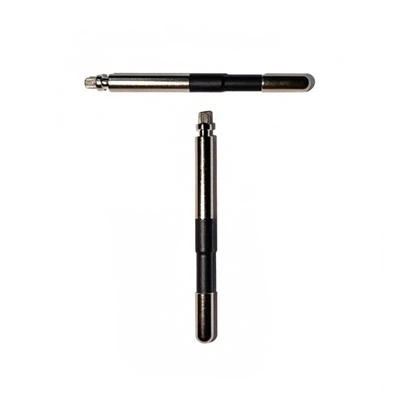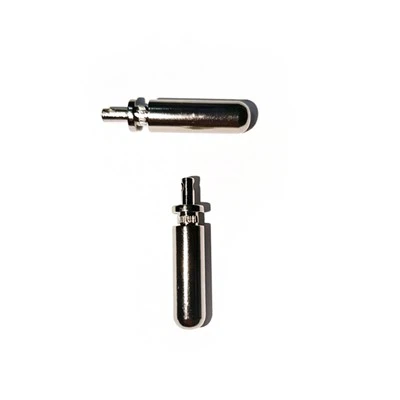


As a supplier of KR Plug Pin Plug Insert Pins, I understand the critical importance of ensuring the conductivity of these components. Conductivity is a fundamental property that directly impacts the performance and safety of electrical systems. In this blog post, I will share some effective methods to check the conductivity of KR Plug Pin Plug Insert Pins.
Understanding the Basics of Conductivity
Before delving into the checking methods, it's essential to understand what conductivity is. Conductivity refers to the ability of a material to conduct electric current. In the case of KR Plug Pin Plug Insert Pins, high conductivity is crucial to ensure efficient power transmission and minimize energy loss. The conductivity of a material is typically measured in siemens per meter (S/m).
Factors Affecting Conductivity
Several factors can affect the conductivity of KR Plug Pin Plug Insert Pins. These include:
- Material Quality: The type of material used for the pins significantly influences their conductivity. For example, copper and brass are commonly used due to their high electrical conductivity.
- Surface Condition: A clean and smooth surface allows for better electrical contact, enhancing conductivity. Any dirt, oxidation, or damage to the surface can reduce conductivity.
- Temperature: Conductivity generally decreases with an increase in temperature. Therefore, it's important to consider the operating temperature when checking conductivity.
Methods to Check Conductivity
1. Using a Multimeter
A multimeter is a versatile tool that can be used to measure the resistance of the KR Plug Pin Plug Insert Pins. Resistance is inversely proportional to conductivity, so by measuring the resistance, we can indirectly assess the conductivity.
- Set the Multimeter: Turn on the multimeter and set it to the resistance (ohms) mode.
- Connect the Probes: Connect the probes of the multimeter to the two ends of the pin. Make sure the probes are in good contact with the pin.
- Read the Resistance Value: The multimeter will display the resistance value. A lower resistance value indicates higher conductivity.
2. Conductivity Tester
A conductivity tester is a specialized device designed to measure the conductivity of materials. It works by applying a known voltage to the material and measuring the resulting current. Based on Ohm's law (V = IR), the conductivity can be calculated.
- Prepare the Tester: Follow the manufacturer's instructions to prepare the conductivity tester.
- Place the Pin: Place the KR Plug Pin Plug Insert Pin in the testing area of the tester.
- Take the Measurement: The tester will display the conductivity value.
3. Visual Inspection
Although not a direct method of measuring conductivity, visual inspection can provide valuable insights. Look for signs of damage, oxidation, or contamination on the surface of the pins. Any visible defects can indicate potential conductivity issues.
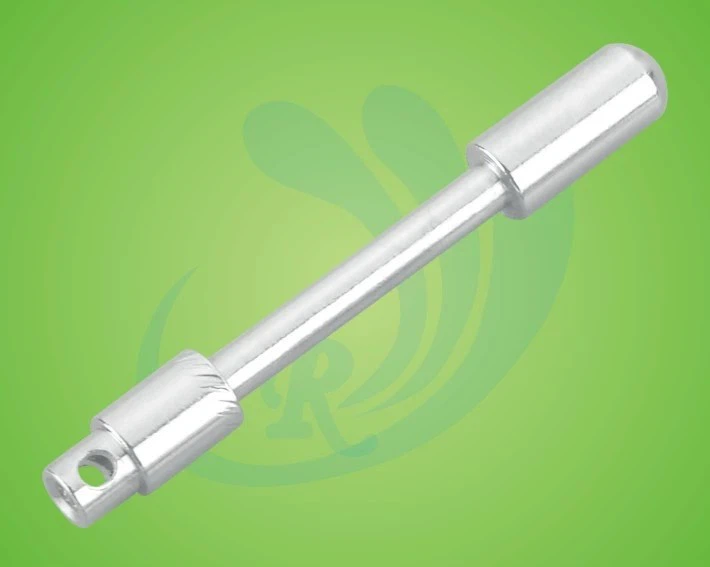
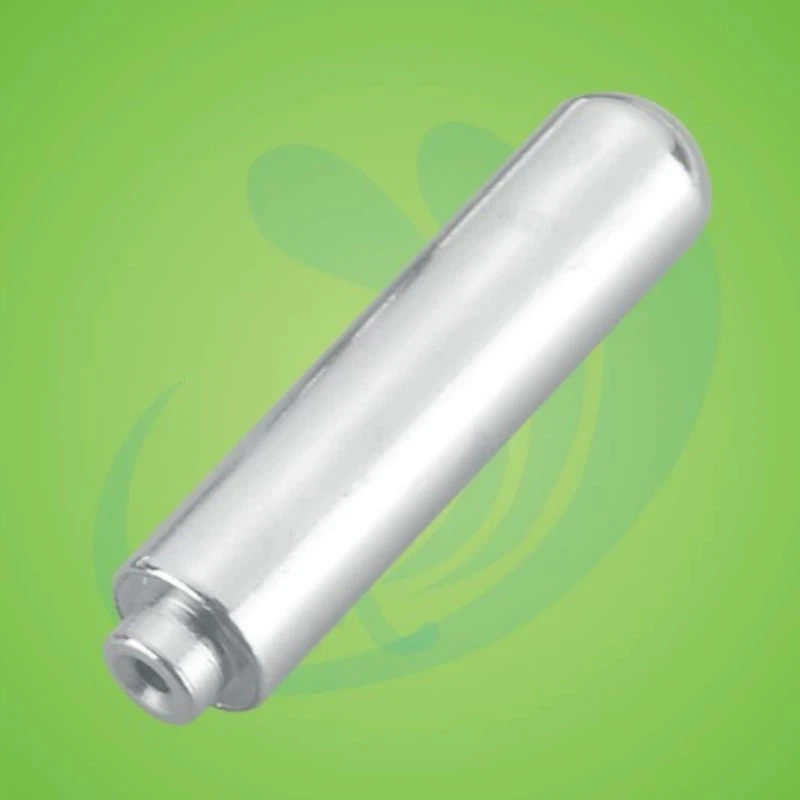
- Check for Discoloration: Oxidation can cause the pins to turn black or brown. This can reduce conductivity and should be addressed.
- Inspect for Physical Damage: Bent or broken pins can disrupt the electrical path and affect conductivity.
Importance of Conductivity Testing
Ensuring the conductivity of KR Plug Pin Plug Insert Pins is crucial for several reasons:
- Safety: Poor conductivity can lead to overheating, which can pose a fire hazard. By regularly testing the conductivity, we can prevent such safety risks.
- Performance: High conductivity ensures efficient power transmission, which is essential for the proper functioning of electrical devices.
- Compliance: Many industries have specific standards and regulations regarding the conductivity of electrical components. Testing helps ensure compliance with these requirements.
Conclusion
Checking the conductivity of KR Plug Pin Plug Insert Pins is a critical step in ensuring the performance and safety of electrical systems. By using methods such as multimeters, conductivity testers, and visual inspection, we can accurately assess the conductivity of these components. As a supplier of KR Plug Pin Plug Insert Pin and Brass Plug Insert Pins Kr Plug Accessories, I am committed to providing high-quality products with excellent conductivity. If you are interested in purchasing our products or have any questions about conductivity testing, please feel free to contact us for further discussions.
References
- Principles of Electrical Engineering, by Charles K. Alexander and Matthew N.O. Sadiku
- Electrical Conductivity Measurement Handbook, by Omega Engineering