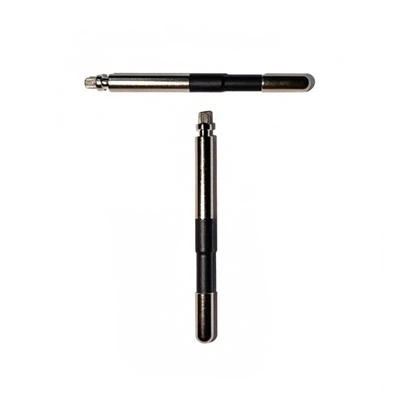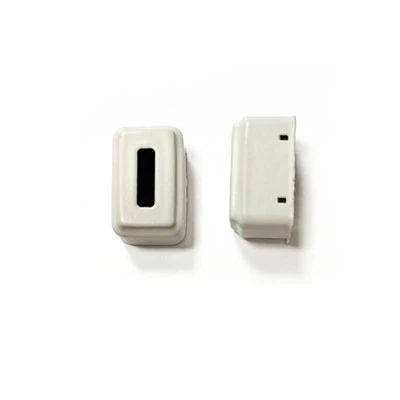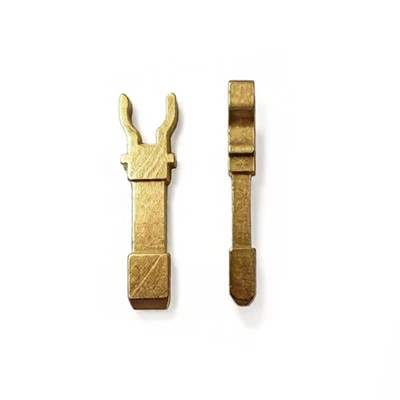


As a supplier of UK standard plug pins, I understand the importance of ensuring that these pins are in proper working condition. UK standard plug pins are designed to meet specific safety and performance standards, and it's crucial for both consumers and businesses to test them regularly. In this blog, I'll share some effective ways to test if UK standard plug pins are working.
Why Testing UK Standard Plug Pins is Essential
Before delving into the testing methods, it's important to understand why testing these plug pins is so crucial. UK standard plug pins are used to connect electrical appliances to the power supply. Faulty plug pins can lead to electrical hazards such as short circuits, electrical shocks, and even fires. By testing the plug pins, you can identify any potential issues early and take appropriate measures to ensure the safety of your electrical system.
Visual Inspection
The first step in testing UK standard plug pins is a visual inspection. This is a simple yet effective way to identify any obvious signs of damage or wear. Here's what you should look for:
- Physical Damage: Check for any visible signs of damage such as bent, broken, or corroded pins. Bent pins may not make proper contact with the socket, while broken or corroded pins can cause electrical problems.
- Loose Connections: Ensure that the pins are firmly attached to the plug body. Loose connections can lead to overheating and potential electrical hazards.
- Insulation Integrity: Examine the insulation around the pins. Any signs of fraying, cracking, or damage to the insulation can expose the electrical conductors and pose a safety risk.
Using a Multimeter
A multimeter is a versatile tool that can be used to test the electrical continuity and resistance of UK standard plug pins. Here's how you can use a multimeter to test the plug pins:
- Set the Multimeter: Set the multimeter to the resistance (ohms) mode. This mode allows you to measure the electrical resistance between two points.
- Test the Pins: Touch the probes of the multimeter to the plug pins. You should get a reading close to zero ohms if the pins are working properly. A high resistance reading indicates a problem with the pins, such as a break in the electrical circuit.
- Check for Continuity: To check for continuity, touch the probes to the two live pins of the plug. You should get a beep or a low resistance reading if there is continuity between the pins. If there is no continuity, it means there is a break in the electrical circuit.
Using a Plug Tester
A plug tester is a specialized tool designed to test the functionality of electrical plugs. It can quickly and easily identify any issues with the plug pins, such as incorrect wiring or a faulty earth connection. Here's how you can use a plug tester:
- Insert the Plug: Insert the UK standard plug into the plug tester. Make sure the plug is fully inserted and the tester is properly connected to a power source.
- Read the Results: The plug tester will display a series of lights or indicators to indicate the status of the plug. A green light usually indicates that the plug is working properly, while a red light or an error message indicates a problem.
- Interpret the Results: Refer to the user manual of the plug tester to interpret the results. If the plug tester indicates a problem, it's important to take appropriate action, such as replacing the plug or having it repaired by a qualified electrician.
Testing the Earth Connection
The earth connection is an important safety feature of UK standard plug pins. It provides a path for electrical current to flow in the event of a fault, preventing electrical shocks and fires. Here's how you can test the earth connection:
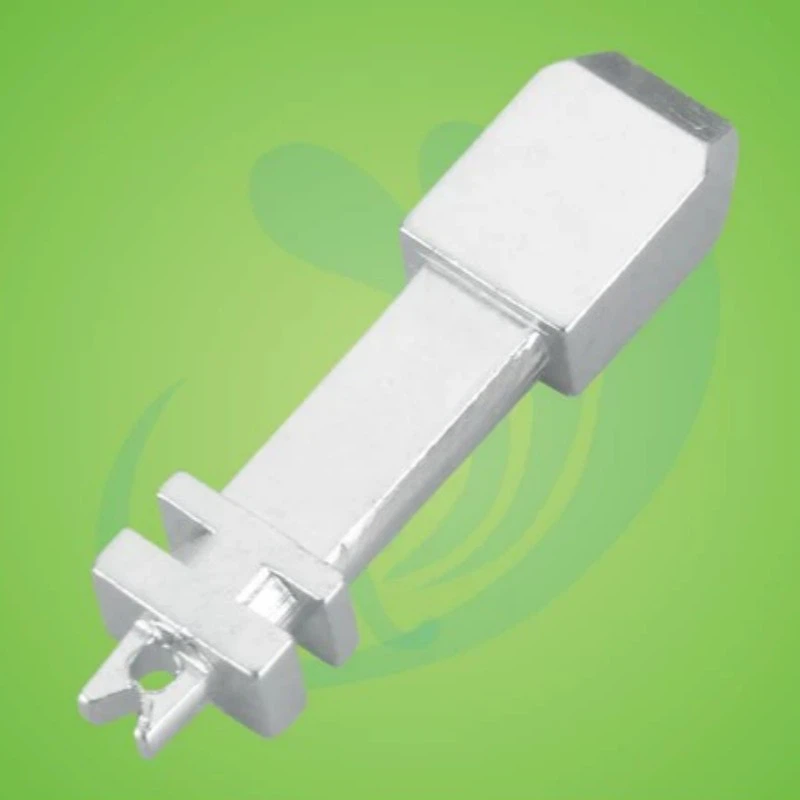
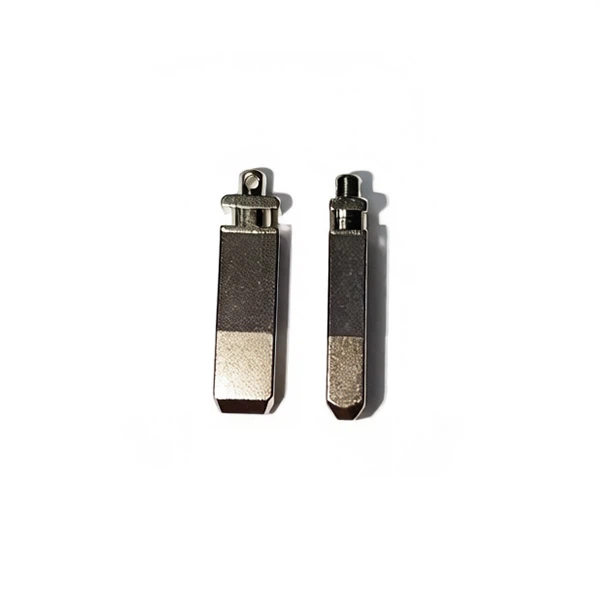
- Use a Multimeter: Set the multimeter to the resistance (ohms) mode. Touch one probe to the earth pin of the plug and the other probe to a known earth point, such as a metal water pipe or a grounding rod. You should get a reading close to zero ohms if the earth connection is working properly.
- Use a Plug Tester: Some plug testers have a specific function to test the earth connection. Follow the instructions of the plug tester to test the earth connection. If the plug tester indicates a problem with the earth connection, it's important to have it repaired or replaced immediately.
Testing the Live and Neutral Connections
The live and neutral connections are responsible for supplying electrical power to the appliance. Here's how you can test the live and neutral connections:
- Use a Multimeter: Set the multimeter to the voltage mode. Touch one probe to the live pin of the plug and the other probe to the neutral pin. You should get a reading of around 230 volts if the live and neutral connections are working properly.
- Use a Plug Tester: A plug tester can also be used to test the live and neutral connections. Follow the instructions of the plug tester to test the live and neutral connections. If the plug tester indicates a problem with the live or neutral connection, it's important to have it repaired or replaced immediately.
Conclusion
Testing UK standard plug pins is an important part of maintaining the safety and functionality of your electrical system. By following the methods outlined in this blog, you can easily test if the plug pins are working properly and identify any potential issues early. Remember, if you're unsure about how to test the plug pins or if you encounter any problems, it's always best to consult a qualified electrician.
As a supplier of UK standard plug pins, we offer a wide range of high-quality products, including Reach Brass UK Pin British Plug BS Pin, Electrical Power UK Plug Insert Pin, and Brass Copper Plug UK Pin. If you're interested in purchasing our products or have any questions, please feel free to contact us for further discussion.
References
- Electrical Safety Council. (n.d.). Electrical safety advice. Retrieved from [Website URL]
- British Standards Institution. (n.d.). BS 1363:2016 - Plugs, socket-outlets, adaptors and connection units for household and similar general use. Retrieved from [Website URL]