

Can KR Standard Plug Pins Be Used in a Marine Environment?
As a supplier of KR standard plug pins, I often receive inquiries from customers about the suitability of our products in various environments, especially the challenging marine environment. In this blog post, I will delve into the factors that determine whether KR standard plug pins can be used in a marine setting, exploring the properties of the materials, the design features, and the potential challenges and solutions.
Understanding the Marine Environment
The marine environment is a harsh and corrosive place. It is characterized by high humidity, saltwater exposure, and the presence of various chemicals and contaminants. These conditions can cause significant damage to electrical components, including plug pins, over time. Saltwater, in particular, is a highly conductive electrolyte that can accelerate the corrosion process, leading to the degradation of the metal and the loss of electrical conductivity.
Properties of KR Standard Plug Pins
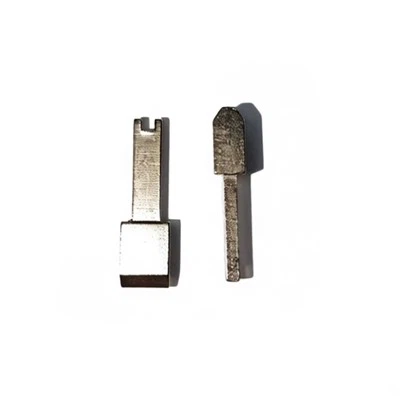
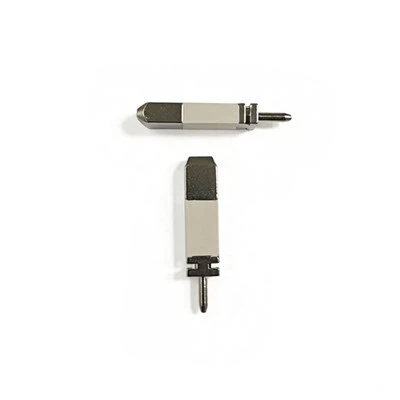
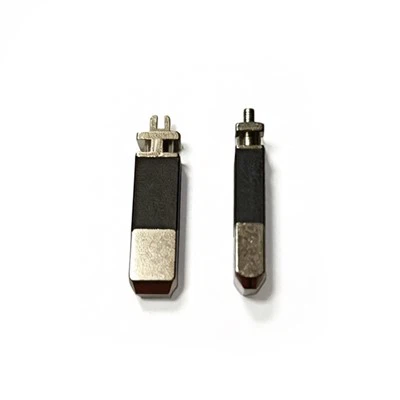
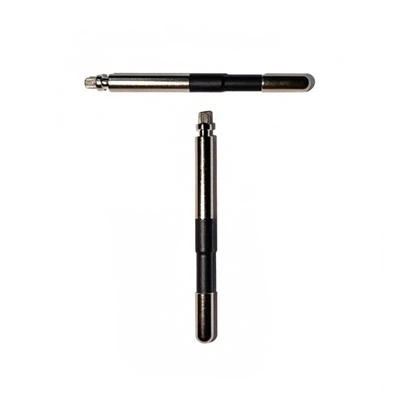
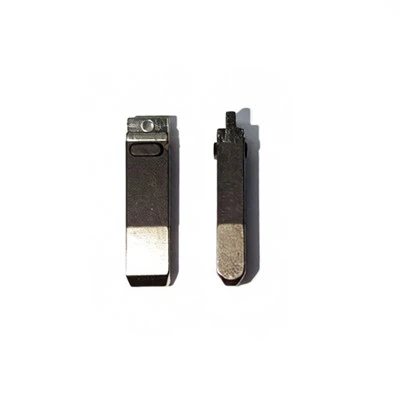
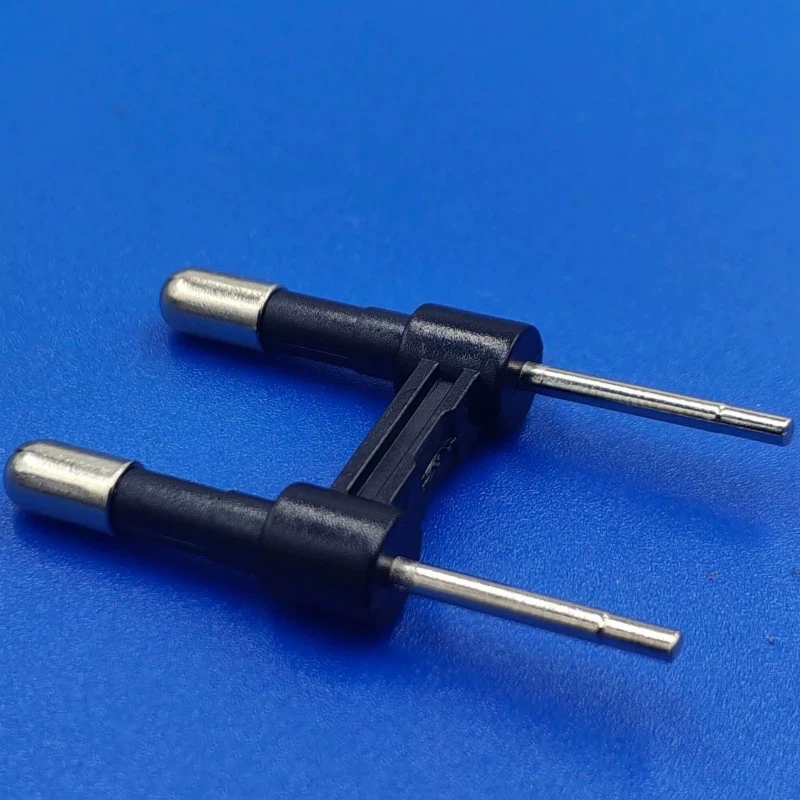
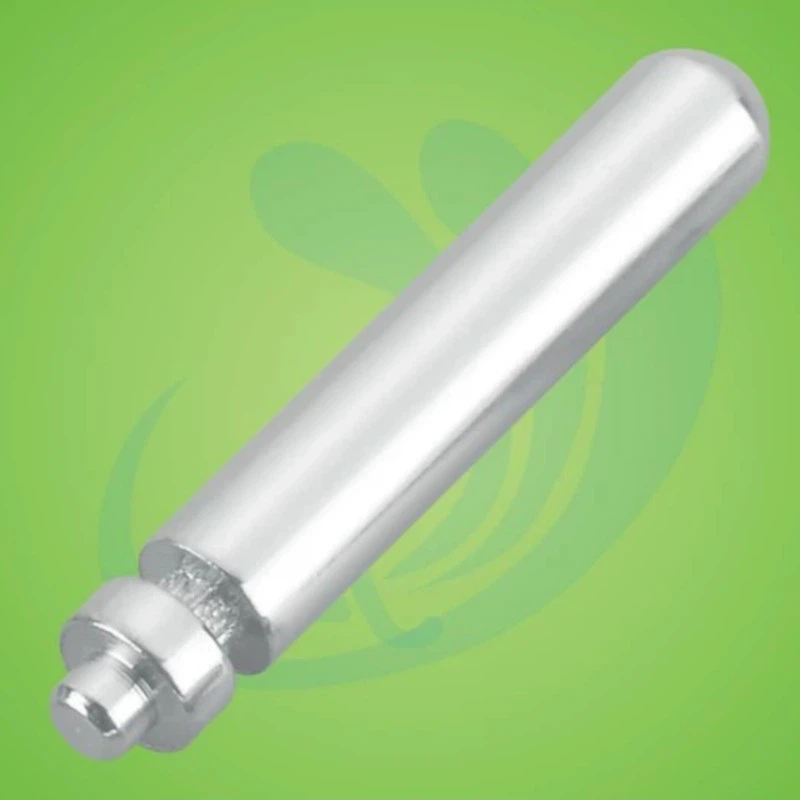
KR standard plug pins are typically made from high - quality metals such as brass or copper. These metals are chosen for their excellent electrical conductivity, which is essential for the efficient transfer of electricity. However, their performance in a marine environment depends on several factors.
Brass Plug Insert Pins
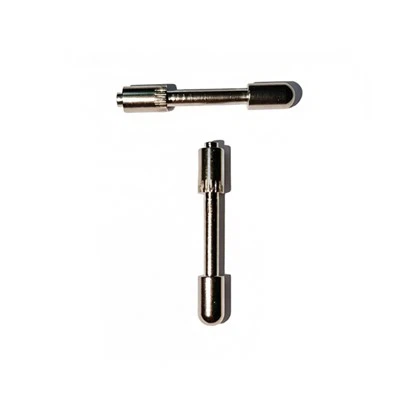
Brass is a popular choice for plug pins due to its good corrosion resistance, malleability, and relatively low cost. Brass Plug Insert Pins Kr Plug Accessories are designed to provide a reliable connection in various applications. Brass contains copper and zinc, and the zinc can form a protective oxide layer on the surface, which helps to slow down the corrosion process. However, in a marine environment, the protective layer may not be sufficient to prevent long - term corrosion, especially in areas with high salt concentrations.
Copper Plug Pins
Copper is another material used for KR standard plug pins. Copper has even higher electrical conductivity than brass, which makes it an ideal choice for applications where low resistance is required. However, copper is also more prone to corrosion in a marine environment. When exposed to saltwater, copper can react with the chloride ions in the water, forming copper chloride, which can further accelerate the corrosion process.
Design Features and Their Impact on Marine Use
The design of KR standard plug pins also plays a crucial role in their suitability for the marine environment. Some design features that can enhance the performance of plug pins in the sea include:
Sealing and Insulation
Proper sealing and insulation can prevent saltwater from reaching the metal pins. Seals can be made from materials such as rubber or silicone, which are resistant to water and chemicals. Insulation can also protect the pins from short - circuits and reduce the risk of corrosion.
Coating and Plating
Applying a protective coating or plating to the plug pins can significantly improve their corrosion resistance. For example, a nickel or chrome plating can create a barrier between the metal and the saltwater, preventing direct contact and reducing the rate of corrosion.
Challenges of Using KR Standard Plug Pins in a Marine Environment
Despite the potential of KR standard plug pins, there are several challenges associated with using them in a marine environment:
Corrosion
As mentioned earlier, corrosion is the most significant challenge. Saltwater can cause pitting, crevice corrosion, and galvanic corrosion, which can weaken the plug pins and eventually lead to failure.
Vibration and Movement
In a marine environment, vessels are constantly subject to vibration and movement. This can cause the plug pins to loosen or become misaligned, leading to poor electrical connections and potential safety hazards.
Maintenance Requirements
Using plug pins in a marine environment requires regular maintenance. This includes cleaning the pins to remove salt deposits, checking for signs of corrosion, and tightening any loose connections.
Solutions to Overcome the Challenges
To overcome the challenges of using KR standard plug pins in a marine environment, several solutions can be implemented:
Selecting the Right Material
Choosing the right material is crucial. For example, using brass with a high - zinc content or a copper alloy with improved corrosion resistance can help to reduce the effects of saltwater.
Proper Installation
Proper installation is essential to ensure a secure and reliable connection. This includes using the correct tools and following the manufacturer's instructions.
Regular Inspection and Maintenance
Regular inspection and maintenance can help to detect and address any issues before they become serious. This includes checking for signs of corrosion, cleaning the pins, and replacing any damaged components.
Conclusion
In conclusion, KR standard plug pins can be used in a marine environment, but it requires careful consideration of the materials, design features, and maintenance requirements. By selecting the right materials, implementing proper design features, and performing regular maintenance, it is possible to ensure the reliable performance of KR standard plug pins in the harsh marine environment.
If you are interested in purchasing KR standard plug pins for your marine applications, we invite you to KR Plug Pin Plug Insert Pin to learn more about our products. We are committed to providing high - quality plug pins that meet the needs of our customers in various industries, including the marine sector. Feel free to contact us for more information and to discuss your specific requirements. We look forward to working with you to find the best solutions for your electrical connection needs.
References
- "Corrosion in Marine Environments" - Marine Corrosion Handbook
- "Electrical Conductivity of Metals" - Journal of Electrical Engineering
- "Design Considerations for Electrical Components in Harsh Environments" - International Journal of Engineering Design