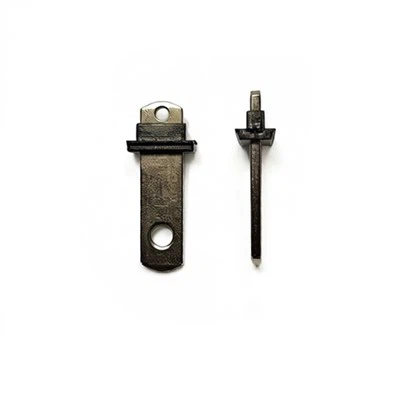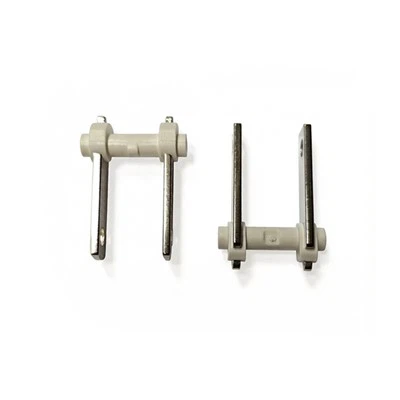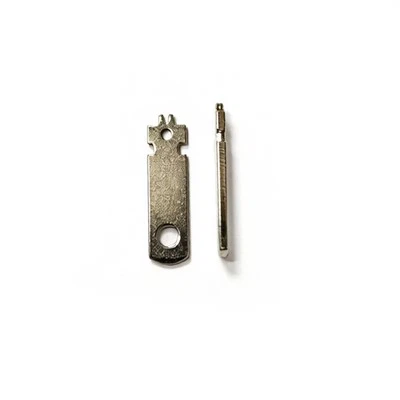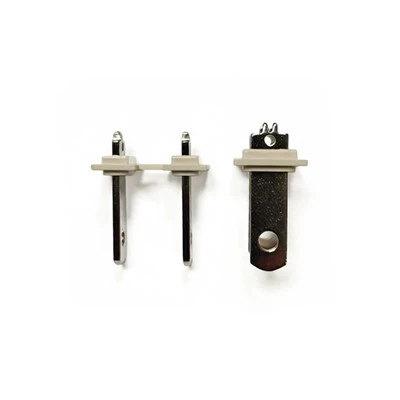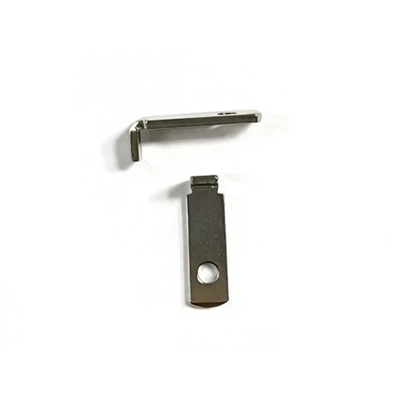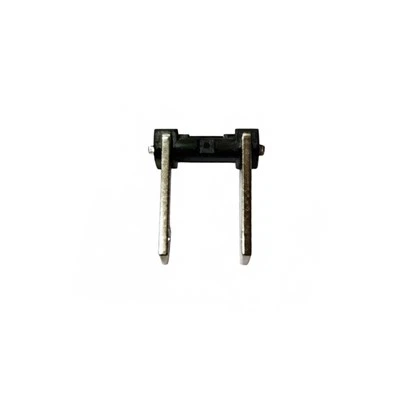

Nickel-plated materials: To improve corrosion resistance and appearance, some brass or copper pins are nickel-plated.
Stainless steel (e.g., SUS304): Primarily used for non-conductive or auxiliary positioning structures such as "dummy pins," not for primary current transmission.
Zinc alloy: Used for coated pins or bracket structures, balancing strength and formability.
Phosphor bronze: A few high-end or special-purpose pins use phosphor bronze, which possesses excellent elasticity and conductivity.
In summary, brass, aluminum, and copper are the mainstream conductive materials, while stainless steel and zinc alloys are mostly used for structural components or coated parts. The specific material selection depends on the product's application, cost, and performance requirements.
Brass: Possesses excellent electrical conductivity and mechanical strength, making it one of the most commonly used materials for UK standard connector pins. It is frequently used in applications requiring high conductivity and wear resistance.
Aluminum (Aluminum Alloy): Some products use aluminum or aluminum alloys to reduce weight and cost, but its conductivity is slightly lower than brass.
Copper: Pure copper or highly conductive copper is also used in connector manufacturing, especially in power adapters where high conductivity is required.