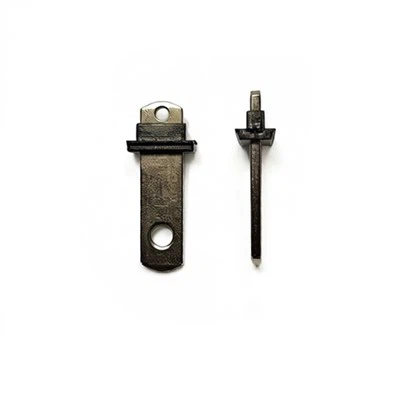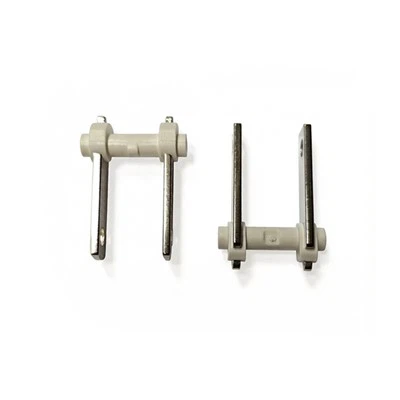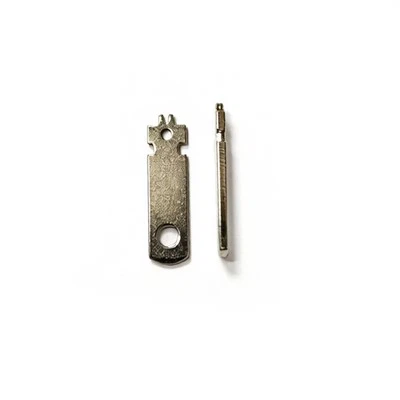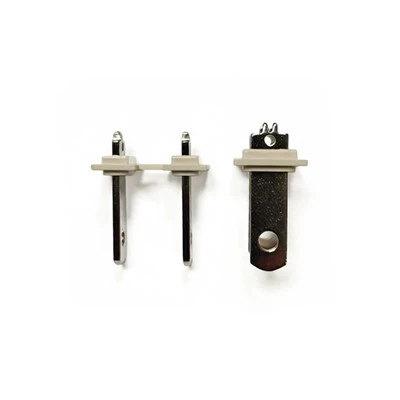

Appearance and Shape:
European Standard Plug: Has two round prongs. This design is the standard shape widely used in Europe and is compatible with corresponding European sockets.
Chinese Standard Plug: Has two or three flat prongs. Two flat prongs are used for two-prong sockets and are suitable for some Class 2 appliances; three flat prongs are used for three-prong sockets and are mainly for Class 1 appliances to ensure electrical safety.
Operating Voltage
Chinese Standard Sockets: The standard voltage is 220V. This is the common voltage standard for household and industrial electricity use in most parts of China, and most household appliances are designed and manufactured according to this voltage.
European Standard and British Standard Sockets: The standard voltage is 230V. The different voltages mean that the maximum power that the sockets can handle also differs. When using electrical appliances, it is necessary to pay attention to voltage matching to avoid damage to appliances or safety accidents caused by voltage incompatibility.
British Standard Plug: Characterized by three square prongs. This unique shape is a prominent feature of the British standard plug and is compatible with sockets in the UK and other regions.
Usage Areas:
Chinese Standard Sockets: Primarily used in China (excluding Hong Kong). Due to China's vast territory, Chinese standard plugs and sockets are widely used in homes, shopping malls, factories, and other locations, providing power to various electrical appliances.
British Standard Plugs: Used in Hong Kong, the UK, India, Pakistan, Singapore, Malaysia, Vietnam, Indonesia, the Maldives, Qatar, and other countries and regions. These regions have adopted the same plug standard as the UK due to historical, cultural, or trade reasons.
European Standard Plugs: Used in EU countries such as Germany, France, the Netherlands, Denmark, Finland, Norway, Poland, Portugal, Austria, Belgium, Hungary, Spain, and Sweden, as well as South Korea and Russia. EU countries have a certain degree of uniformity in electrical standards, and European standard plugs are widely used in these countries. South Korea and Russia also use similar standards.