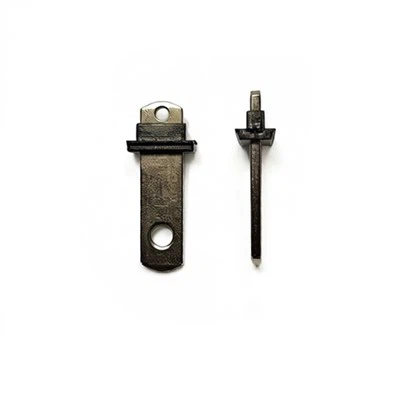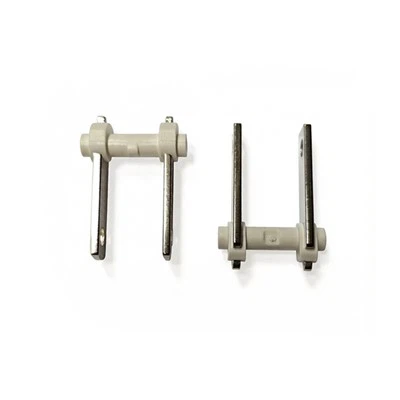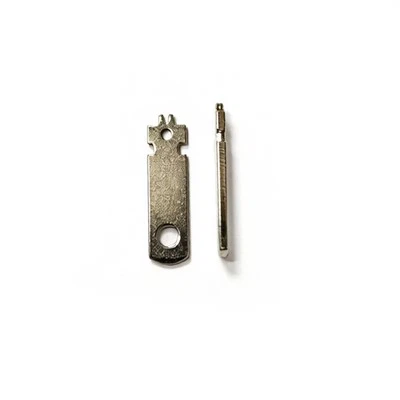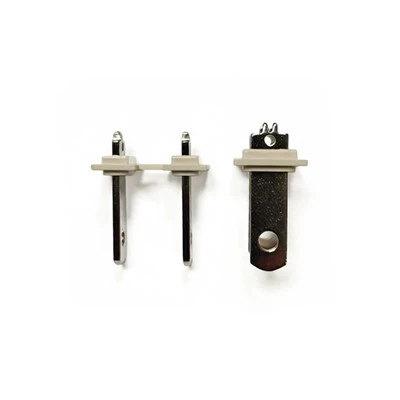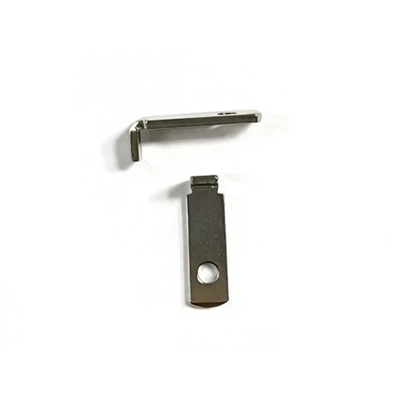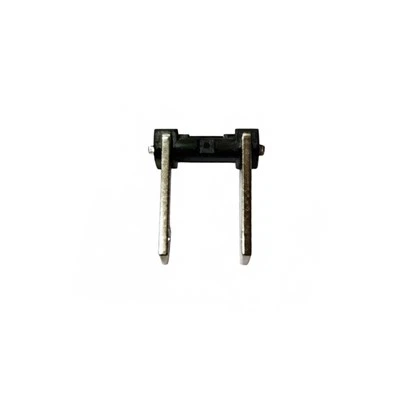

The design principle of US standard plug pins (i.e., the metal pins of US standard plugs) mainly revolves around electrical safety, polarity identification, and contact reliability.
The pins are of different sizes: The live wire (L) pin is narrower, and the neutral wire (N) pin is wider. This "polarity design" ensures that the plug can only be inserted into the socket in the correct direction, preventing reverse wiring of the internal circuit of the device and improving safety.
The pins have round holes: The small holes on the pins are used to engage with the protruding latches inside the socket, enhancing the firmness of insertion and removal and preventing overheating or arcing due to loose contact.
The grounding pin is longer and located at the bottom: In a three-prong plug, the round grounding pin is longer than the two flat prongs, ensuring that grounding is established first and then disconnected, always providing a priority path for leakage protection during insertion and removal.