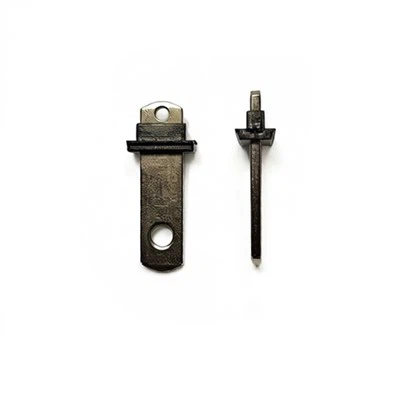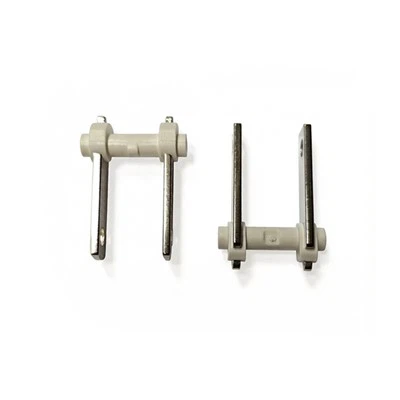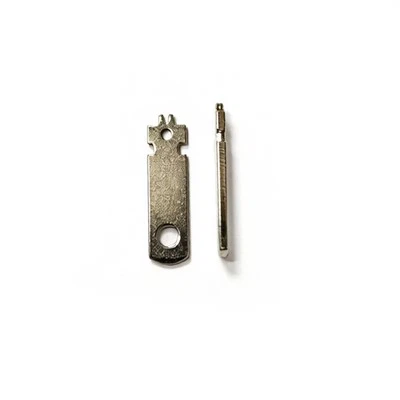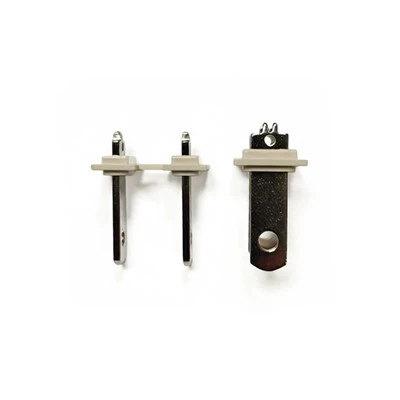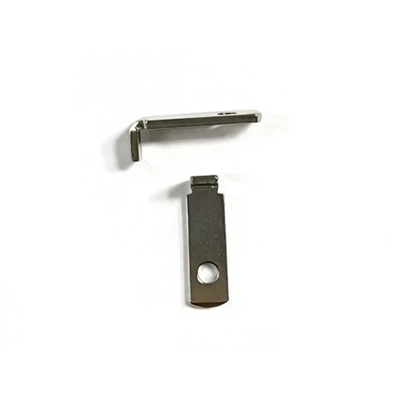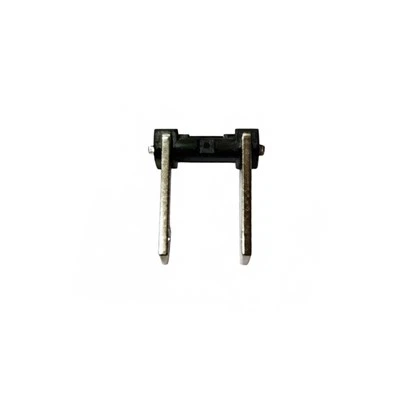

The common materials used for US standard power connector contacts (i.e., the metal conductive parts of US standard power plugs) fall into two main categories:
Conductive Components: Highly conductive materials should be used, such as phosphor bronze, brass, or nickel-plated copper, to ensure low resistance, high temperature resistance, and oxidation resistance.
Thickness Requirements: The thickness of the copper strip directly affects current carrying capacity and lifespan. Generally, ≥0.5mm is recommended (depending on the rated current).
Surface Treatment: Nickel plating or tin plating can improve corrosion resistance and insertion/removal life.
Brass (e.g., C2680): Offers excellent conductivity, mechanical strength, and corrosion resistance, making it the most common base material for US standard inserts.
Phosphor bronze: Used in some demanding applications, offering superior elasticity and wear resistance.
Additionally, some products undergo nickel plating, tin plating, or silver plating on the brass or phosphor bronze surface to improve conductivity, oxidation resistance, or meet safety certification requirements such as UL.