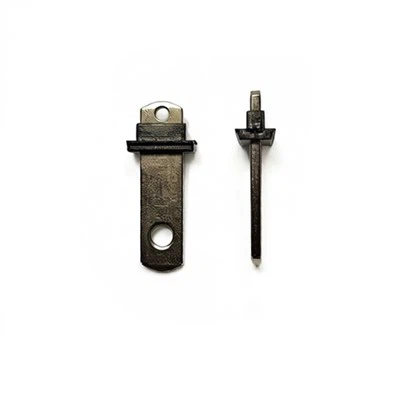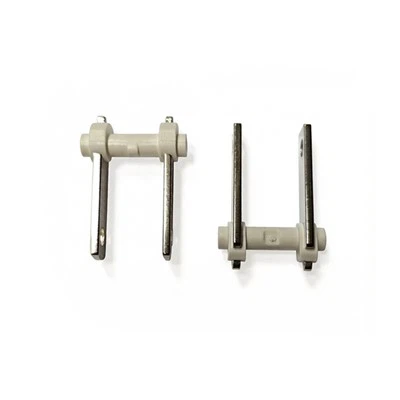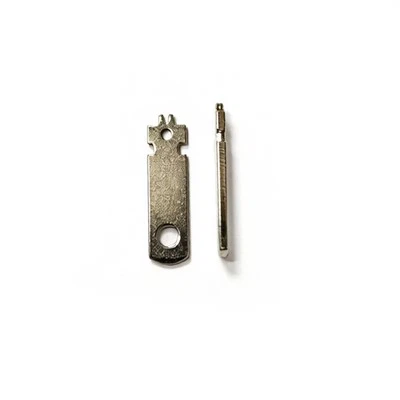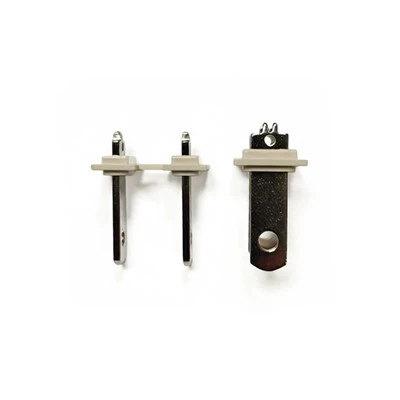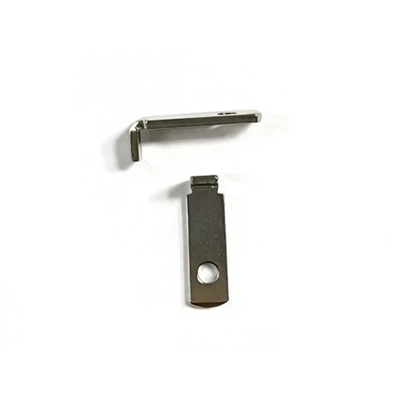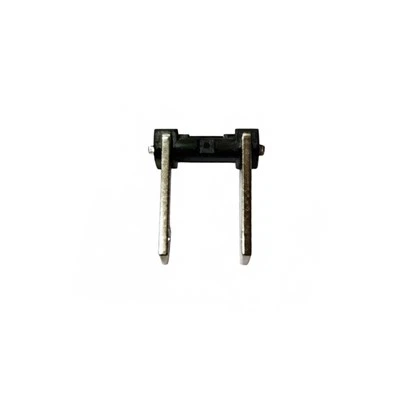

When choosing a South African plug (also known as a "South African standard" or "SANS plug"), the key is to distinguish between the two types: Large South African and Small South African plugs. They differ significantly in size, rated current, and applicable scenarios. The following are the core differences and purchasing suggestions based on authoritative publicly available information:
Pay attention to the plug structure:
Solid copper pins: Good conductivity and durability, but higher cost and lead content;
When traveling to South Africa or using electrical appliances:
You must choose a large South African plug (Type M) that conforms to the SANS 164-1/16A standard to ensure compatibility with local sockets and support for high-power devices.
Hollow copper pins: Environmentally friendly and lower cost, but it's necessary to confirm the internal reinforcement for strength.
Choose a three-pronged plug with grounding: Even if the device has two prongs, it is recommended to use a three-pronged adapter or plug with grounding to improve electrical safety.
Verification and Certification Standards: Ensure the product complies with SANS 164-1 or IEC 60884-1 standards and is eligible for SABS or CNAS certification.
Avoid confusing Indian D-type plugs: Indian D-type plugs (3-pin round pins) are similar in appearance to South African plugs but are smaller. They are not interchangeable; forcing them in may damage the socket.