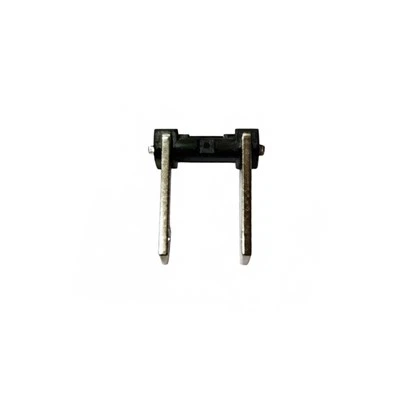

Selecting the right power electronics components is crucial for ensuring the optimal performance, efficiency, and longevity of electrical systems. Power electronics products, such as transformers, rectifiers, chargers, and power switches, come in various configurations, each suited for different industrial applications. To make an informed selection, businesses must evaluate key factors such as power ratings, operational environment, efficiency, and cost-effectiveness.
Transformers:
Transformers are essential for adjusting voltage levels in electrical systems. When choosing a transformer, one of the primary considerations is whether you need a step-up or step-down transformer. Step-up transformers increase the voltage from a lower level to a higher level, while step-down transformers decrease the voltage. The selection of a transformer depends largely on the power requirements of the specific application.
Another factor to consider is transformer efficiency. The efficiency of a transformer is determined by how well it can transfer energy from the primary coil to the secondary coil without significant energy losses. A higher efficiency transformer will reduce operational costs over time by minimizing energy waste. Additionally, the size and weight of the transformer should be considered, particularly in applications where space is limited, such as in electric vehicles or compact industrial equipment.
Rectifiers:
Rectifiers are designed to convert alternating current (AC) into direct current (DC), which is required by a range of electronic devices and industrial systems. When selecting a rectifier, one must choose between single-phase and three-phase rectifiers. Single-phase rectifiers are typically used for smaller applications, while three-phase rectifiers are better suited for high-power applications such as industrial machinery and electric grids.
Another important consideration is the current rating and the voltage rating of the rectifier. Choosing a rectifier with the appropriate ratings ensures that it can handle the power requirements of the system without overloading. Furthermore, modern rectifiers are often designed with high efficiency in mind, reducing the power losses that typically occur during the conversion process.
Chargers:
Chargers are responsible for supplying electrical power to batteries in applications ranging from consumer electronics to industrial automation. When selecting a charger, the key considerations include the battery type (e.g., lithium-ion, lead-acid), charging speed, and charge management features. For example, fast-charging solutions are essential in industries where downtime needs to be minimized, such as in electric vehicles and heavy machinery.
Safety features are another important consideration when choosing chargers. Overcharge protection, thermal management, and short-circuit protection ensure that the battery and charger remain safe under various conditions. Additionally, energy-efficient chargers reduce electricity consumption during charging cycles, contributing to sustainability goals.
Power Switches:
Power switches are used to regulate the flow of electricity in a system. When selecting a power switch, businesses need to consider factors such as current capacity, voltage rating, and switching speed. For high-power applications, switches must be able to handle large current loads without compromising performance.
The type of switch (e.g., mechanical, solid-state) and response time are also critical factors. Solid-state switches are preferred for their fast response times and reliability, particularly in high-frequency applications. Businesses must also assess the durability and environmental resistance of the switch, as some applications require switches that can withstand harsh conditions such as high temperatures or exposure to chemicals.
Conclusion:
The selection of power electronics products depends on understanding the specific requirements of the application. Factors such as voltage, current, efficiency, and environmental conditions should guide decisions. By carefully evaluating the available options, businesses can ensure that they choose the most appropriate components for their systems, maximizing performance and minimizing costs over time.