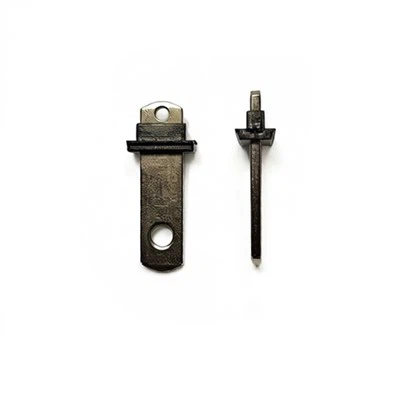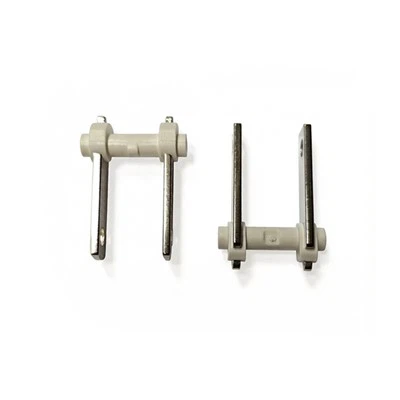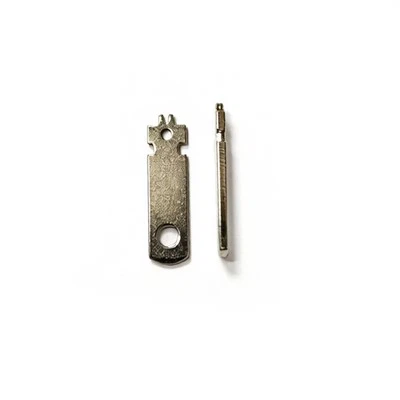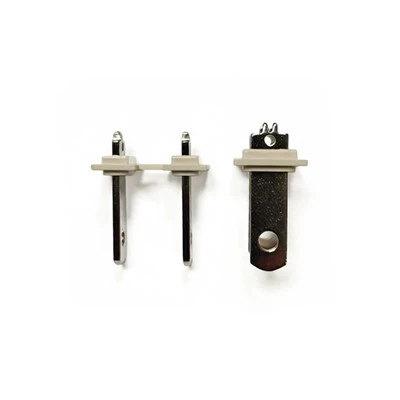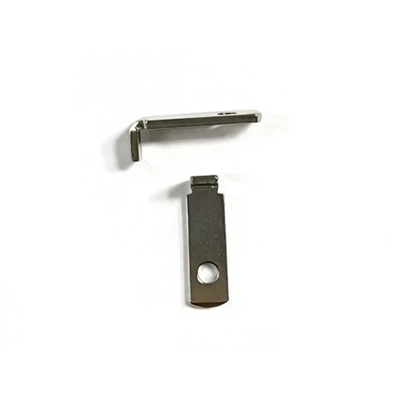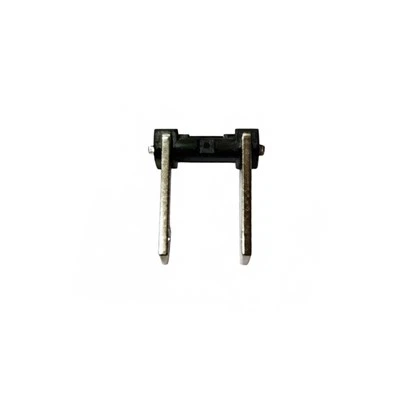

Mainly applicable to irregularly shaped copper waterstops in water conservancy projects, the following precautions should be taken when using them:
Irregularly shaped copper strips, as a special conductive material, are widely used in the fields of power, electronics, and electrical engineering. Their unique shape design meets the needs of specific spatial layouts and current transmission. However, the following points should be paid special attention to when using irregularly shaped copper strips:
Design Rationality: During the design phase, the current carrying capacity must be accurately calculated, and the size, shape, hole position, and hole diameter of the copper strip must be determined according to actual needs. Computer-aided design (CAD) software should be used for simulation to ensure that the design meets electrical performance requirements and is easy to install and maintain.
Raw Material Selection: Selecting high-quality copper plates as raw materials is crucial, as it directly affects the conductivity, corrosion resistance, and mechanical strength of the copper strip. Raw materials should undergo rigorous testing to ensure they are free of impurities, cracks, and other defects.
Processing Accuracy: During the manufacturing process, processes such as cutting, grinding, bending, and drilling must be precisely controlled to ensure the dimensional accuracy and surface finish of the copper strip. The use of CNC equipment improves processing efficiency and consistency, but operators must possess professional skills and regularly calibrate the equipment to avoid error accumulation.
Surface Treatment: Processes such as copper plating and polishing not only enhance the aesthetics of copper busbars but also strengthen their corrosion resistance. Temperature and time parameters must be controlled during the treatment process to ensure uniform surface quality.
Installation and Fixing: During installation, ensure good contact between the copper busbar and the connectors to reduce resistance and prevent overheating. Use appropriate fasteners and insulation materials to prevent short circuits and electric shock risks. Also, consider thermal expansion and allow for adequate expansion and contraction space.
Environmental Adaptability: Irregularly shaped copper busbars should be used in dry, well-ventilated environments, avoiding moisture and corrosive gases. In special environments (such as high temperature, high humidity, salt spray, etc.), additional protective measures are required, such as applying an anti-corrosion coating or using weather-resistant materials.
Regular Inspection and Maintenance: Establish a regular inspection system, visually inspecting the connection points and surface condition of the copper busbars to promptly identify and address potential problems. For equipment that operates for extended periods, it is recommended to conduct regular electrical performance tests to ensure safety and reliability.