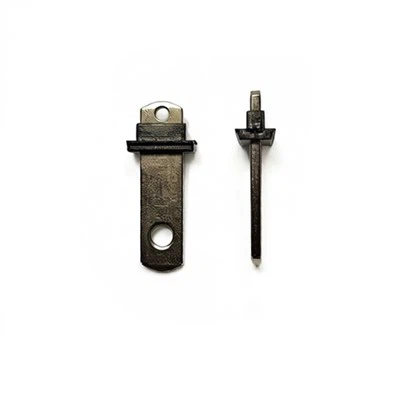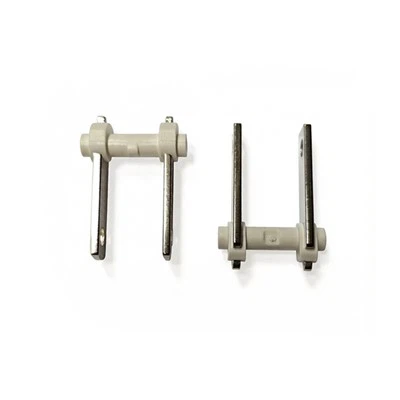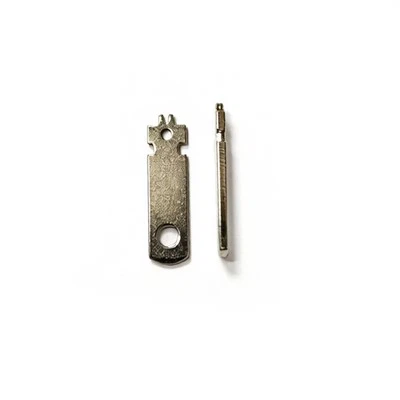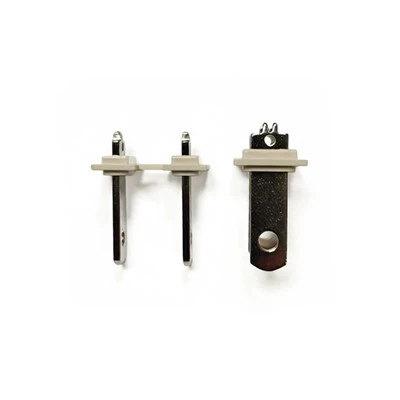

American standard plugs (i.e., power plugs conforming to the NEMA standards of the National Electrical Manufacturers Association) have the following structural features:
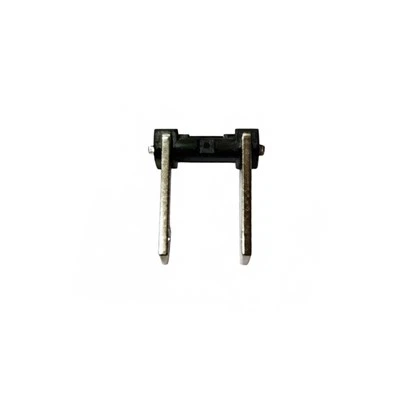
Two flat, parallel prongs:
One is the live wire, and the other is the neutral wire.
In polarity connectors, the live wire prong is narrower (6.3mm), and the neutral wire prong is wider (7.9mm) to ensure it cannot be inserted backwards, improving safety.
One round grounding pin: Located below the two flat prongs, slightly longer than the prongs, ensuring priority grounding and improving safety.
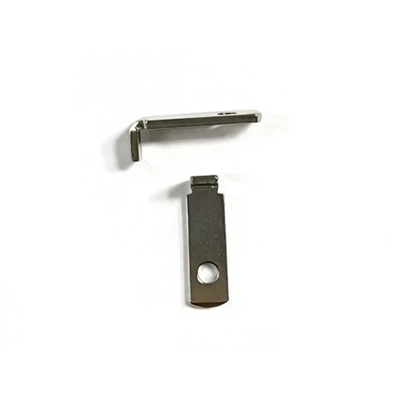
The plug prongs often have small holes: These are used to engage with the protrusions inside the socket, preventing the plug from becoming loose or falling out.
One prong is wider than the other: In polarized plugs (such as NEMA 5-15P), the live wire (L) prong is narrower, and the neutral wire (N) prong is wider. This ensures the plug can only be inserted in one direction, preventing reverse connection and improving electrical safety.
With a grounding pin: Three-prong plugs (such as NEMA 5-15P) have a round or U-shaped grounding pin at the bottom, slightly longer than the live and neutral wire prongs. This ensures the equipment is grounded before power is supplied, improving safety.
Prongs with round holes: Some US standard prongs have small round holes on the side or end for engaging with protrusions inside the socket, enhancing the connection's firmness and preventing loosening.
Parallel prong arrangement: The live and neutral wire prongs are flat and parallel, unlike the 120° angle design of standard Chinese plugs.
Standardized materials and dimensions: The connectors are typically made of copper alloy plated with nickel or tin, and their dimensions strictly adhere to NEMA standards (e.g., the live wire connector is approximately 6.35mm wide, and the neutral wire connector is approximately 7.94mm wide).