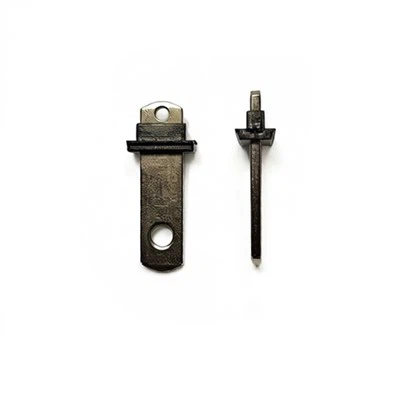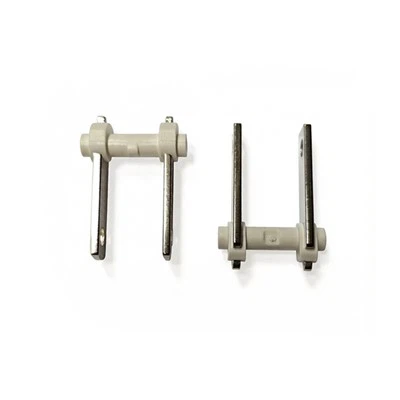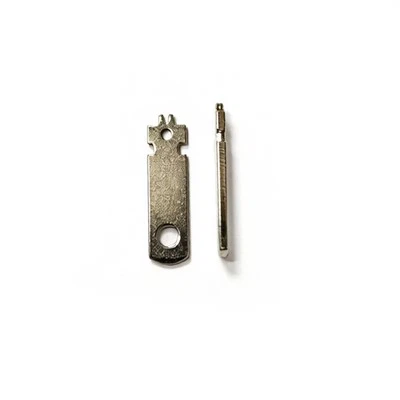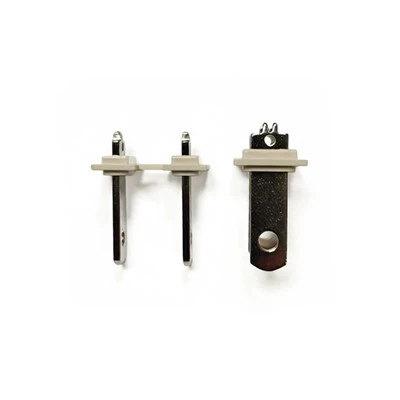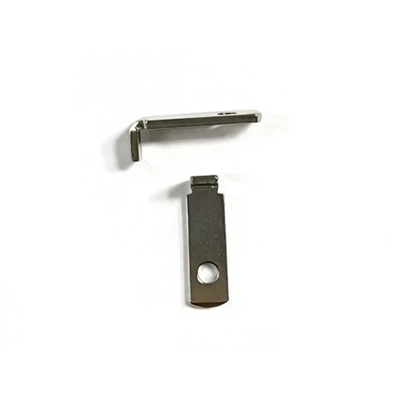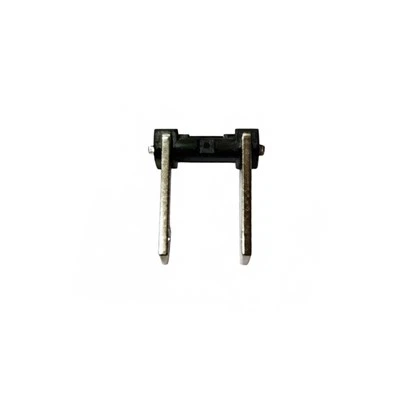

The core technology of plug-in connectors (quick-connect cables) is used to achieve fast and reliable electrical connections. They offer advantages such as compact structure, small size, low production cost, quick assembly and disassembly, and stable and reliable operation. Plug-in connectors effectively prevent damage to internal components from moisture, dust, and impurities, and are highly durable, able to withstand significant impacts and aging.
Key anti-loosening technologies ensuring connection reliability include several patented designs. For example, related patents use springs and damping structures within the socket housing to ensure the mating of the plug block with the socket on the plug, preventing the plug body from loosening due to accidental pulling. Another patent uses an anti-touch finger beam that engages with the front end of the plug in the thickness direction, combined with the plug mounting groove, to limit the plug at both the front and rear points in the length direction, ensuring the stability of the plug's posture in the mating direction, thereby ensuring the contact area and mating reliability between the plug and the mating socket.
Wiring of plug-in power connectors typically involves identifying three pins: positive, negative, and ground. During installation, the corresponding wires must be soldered or crimped to the correct positions. Care should be taken during installation to avoid solder flowing into the contact points, and it should be ensured that the contact points are securely fixed. It is recommended to use products that meet industry standards.
These core technologies are widely used in various connector products. For example, wire harness connectors using this technology can be freely suspended or panel-mounted, and their typical applications include washing machines, dryers, electric furnaces, and automotive wiring.