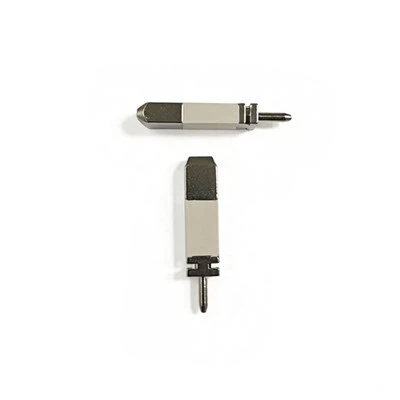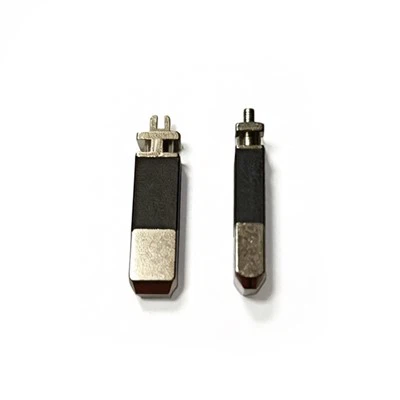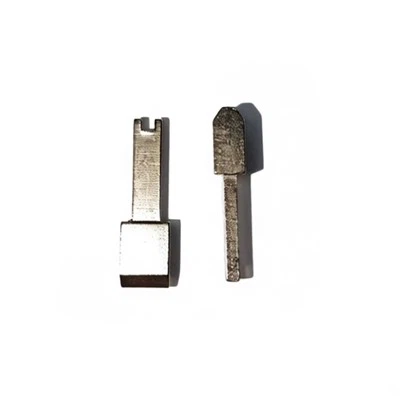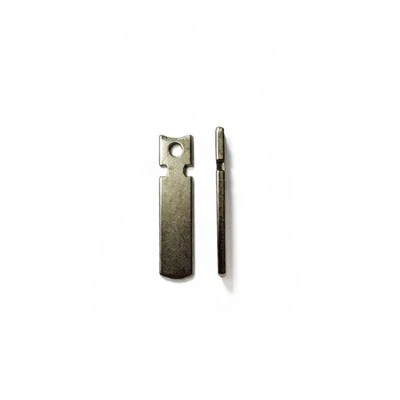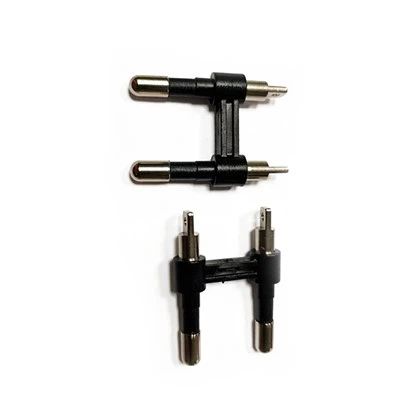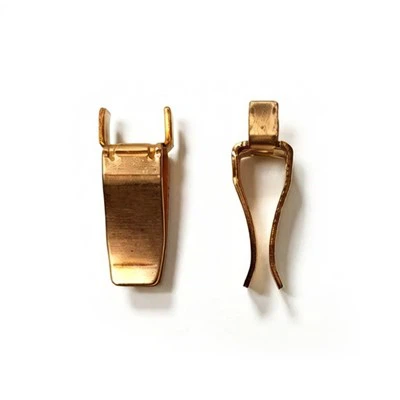


Hey there! As a supplier of RoHS Brass Plug Insert Pins, I'm super excited to chat with you about their mechanical performance. Let's dive right in!
Understanding RoHS Brass Plug Insert Pins
First off, you might be wondering what RoHS actually means. RoHS stands for Restriction of Hazardous Substances. It's a directive that restricts the use of certain hazardous materials in electrical and electronic equipment. Our RoHS Brass Plug Insert Pins are compliant with this directive, which means they're not only safe for the environment but also meet strict quality and safety standards.
Brass is a popular choice for plug insert pins because of its excellent combination of properties. It's a copper - zinc alloy, and this mix gives it some really cool features that make it perfect for electrical applications.
Mechanical Properties
Strength and Durability
One of the key mechanical properties of our RoHS Brass Plug Insert Pins is their strength. Brass has a high tensile strength, which means it can withstand a fair amount of pulling force without breaking. This is crucial because plug insert pins are often subjected to mechanical stress when they're inserted and removed from sockets.
Let's say you're constantly plugging and unplugging your electronic devices. The pins need to be strong enough to handle this repeated action without deforming or breaking. Our brass pins are designed to have a high fatigue resistance, so they can endure thousands of insertions and removals without losing their shape or functionality.
Hardness
Hardness is another important mechanical property. Brass has a good level of hardness, which helps it resist wear and tear. When the pins are in contact with the socket, there's friction involved. A harder material will be less likely to wear down over time. This means that our RoHS Brass Plug Insert Pins will have a longer lifespan compared to pins made from softer materials.
Ductility
Ductility is the ability of a material to be drawn into a wire or deformed without breaking. Brass is quite ductile, which is a great advantage for the manufacturing process of plug insert pins. It allows us to shape the pins precisely according to the required specifications. Whether it's a straight pin or a pin with a specific bend or shape, we can easily achieve it thanks to the ductility of brass.
Comparison with Other Materials
Brass vs. Copper
You might also be considering Copper UK Plug Insert Pins. While copper is a great conductor of electricity, brass has some advantages in terms of mechanical performance. Copper is softer than brass, which means it can be more easily deformed. In high - stress applications, brass pins are more likely to maintain their shape and integrity.
Brass vs. Other Alloys
There are other alloys out there that can be used for plug insert pins. However, brass offers a good balance between cost, mechanical properties, and electrical conductivity. Some other alloys might be more expensive or have lower mechanical performance. Our RoHS Brass Plug Insert Pins give you the best of both worlds - good mechanical strength and decent electrical conductivity at a reasonable price.
Applications and Performance in Real - World Scenarios
Our RoHS Brass Plug Insert Pins are used in a wide range of applications. They're commonly found in household electrical appliances, industrial equipment, and even in some automotive applications.
In household appliances, like your toaster or microwave, the pins need to be reliable. They have to make a good electrical connection every time you plug in the device. Our brass pins ensure a stable connection, which is essential for the proper functioning of the appliance.
In industrial settings, the pins are often exposed to more harsh conditions. They might be subjected to vibrations, temperature changes, and mechanical shocks. The mechanical performance of our brass pins allows them to withstand these conditions and still provide a consistent electrical connection.

UK - Specific Applications
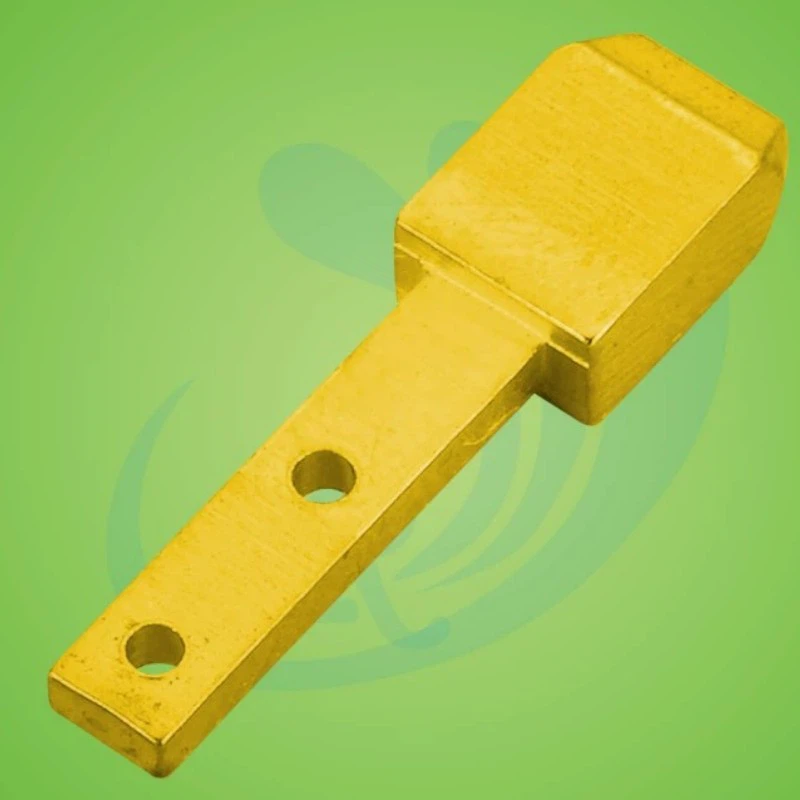
If you're in the UK, our Brass UK Pin British Plug and UK Plug Insert Pin Brass Plug Ground Pin are designed to meet the specific requirements of the UK electrical standards. The UK has its own unique plug and socket design, and our pins are carefully crafted to fit perfectly into these sockets.
The mechanical performance of these pins is crucial in the UK market. The plugs are often used in high - power applications, so the pins need to be strong enough to handle the electrical load and the mechanical stress. Our RoHS - compliant brass pins ensure that you're getting a safe and reliable product that meets the UK's strict electrical safety standards.
Why Choose Our RoHS Brass Plug Insert Pins
As a supplier, we take pride in the quality of our products. Our RoHS Brass Plug Insert Pins are manufactured using the latest technology and high - quality materials. We conduct rigorous quality control checks to ensure that each pin meets our strict standards.
We also offer a wide range of customization options. Whether you need pins of a specific size, shape, or finish, we can work with you to meet your requirements. Our team of experts is always ready to provide technical support and answer any questions you might have.
Contact Us for Procurement
If you're interested in purchasing our RoHS Brass Plug Insert Pins, we'd love to hear from you. We're here to provide you with the best products and services. Whether you're a small business or a large industrial client, we can offer you competitive prices and excellent customer support. Don't hesitate to reach out and start a conversation about your procurement needs.
References
- "Metals Handbook: Properties and Selection: Nonferrous Alloys and Pure Metals", ASM International
- "Engineering Materials and Their Applications", William D. Callister Jr. and David G. Rethwisch