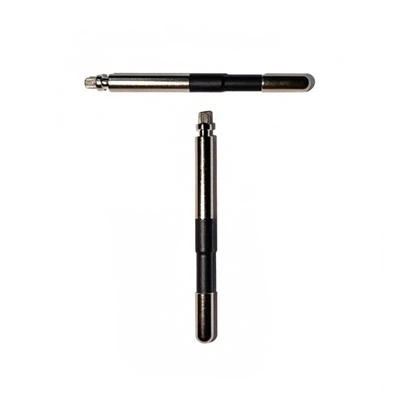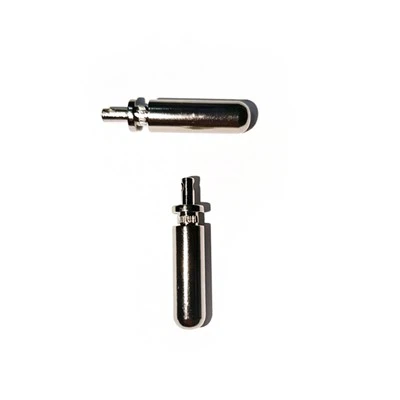


The load capacity of a JP standard plug pin is a crucial factor that determines its suitability for various electrical applications. As a reliable JP standard plug pin supplier, I understand the significance of providing high - quality products with accurate load - bearing capabilities. In this blog, we will delve into what the load capacity of a JP standard plug pin is, the factors that influence it, and how it impacts electrical safety and performance.
Understanding JP Standard Plug Pins
JP standard plug pins are designed to meet specific electrical and mechanical requirements in Japan. These plug pins are commonly used in electrical devices and appliances, ensuring a secure and stable connection to the power source. They come in different sizes and configurations, each tailored to specific applications.


The load capacity of a plug pin refers to the maximum amount of electrical current that the pin can safely carry without overheating or causing damage to the plug or the connected device. It is measured in amperes (A) and is a critical parameter for ensuring the safe and efficient operation of electrical systems.
Factors Affecting the Load Capacity of JP Standard Plug Pins
Material Composition
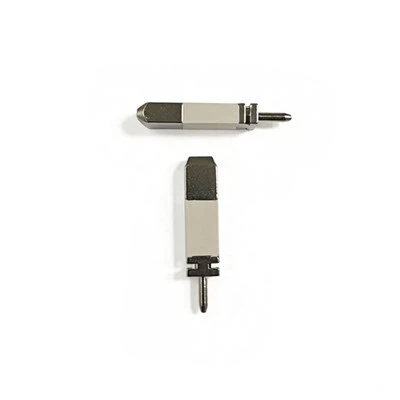
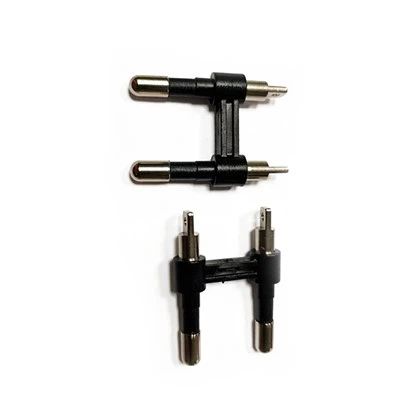
The material used to make the plug pin plays a significant role in determining its load capacity. Most JP standard plug pins are made of brass, which is a popular choice due to its excellent electrical conductivity, corrosion resistance, and mechanical strength. Brass Plug Insert Pin JP Plug AC Pin is a prime example of a high - quality product made from brass. Brass allows for the smooth flow of electrical current, reducing resistance and minimizing heat generation.
Cross - sectional Area
The cross - sectional area of the plug pin is another important factor. A larger cross - sectional area generally means lower resistance and a higher load capacity. This is because a larger area provides more space for the electrons to flow, reducing the amount of heat generated during the passage of current. Plug pins with a larger cross - section can handle more current without overheating.
Insulation and Heat Dissipation
The insulation around the plug pin and the ability of the plug to dissipate heat also affect its load capacity. Good insulation prevents electrical leakage and short - circuits, while efficient heat dissipation ensures that the plug pin remains within a safe operating temperature range. A well - designed plug with proper ventilation can handle higher loads compared to a plug with poor heat dissipation.
Standard Load Capacities of JP Standard Plug Pins
In Japan, the load capacities of JP standard plug pins are regulated to ensure electrical safety. Common load capacities for JP standard plug pins range from 10A to 15A for general household applications. For industrial or high - power applications, plug pins with higher load capacities, such as 20A or 30A, may be used.
It is important to note that the load capacity of a plug pin is not only determined by its physical characteristics but also by the electrical environment in which it is used. Factors such as the length of the electrical cord, the quality of the electrical connections, and the ambient temperature can all influence the actual load - carrying ability of the plug pin.
Importance of Load Capacity in Electrical Safety
Using a plug pin with an appropriate load capacity is essential for electrical safety. If a plug pin is overloaded, it can overheat, leading to insulation damage, short - circuits, and even fires. For example, if a 10A plug pin is used to power a device that draws 15A of current, the plug pin will overheat, increasing the risk of electrical hazards.
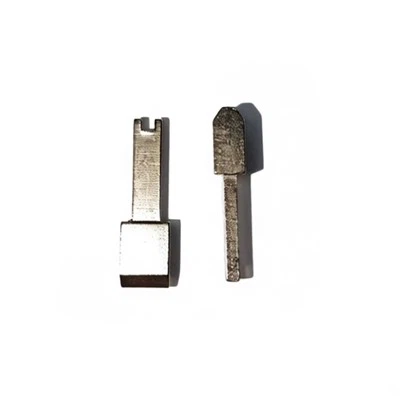
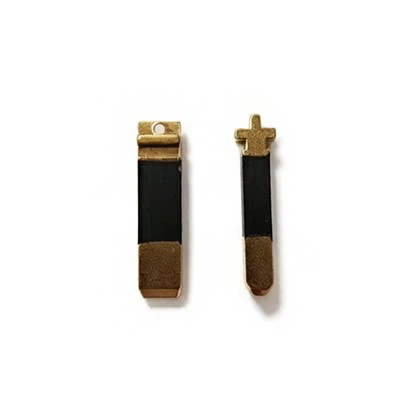
As a JP standard plug pin supplier, we ensure that our products meet or exceed the relevant safety standards. Our Brass Plug Insert Pins JP Adaptor Pin and Brass JP Plug Insert Pin JP Pin are designed and tested to provide reliable performance and safety.
How to Determine the Appropriate Load Capacity
When selecting a JP standard plug pin, it is important to consider the power requirements of the device that will be connected to it. The power of an electrical device can be calculated using the formula P = VI, where P is power in watts (W), V is voltage in volts (V), and I is current in amperes (A).
For example, if a device has a power rating of 1200W and is connected to a 120V power supply, the current drawn by the device can be calculated as I = P/V = 1200W/120V = 10A. In this case, a plug pin with a load capacity of at least 10A should be used.
It is also advisable to leave some margin for safety. If a device has a variable power consumption or if there are other electrical devices connected to the same circuit, it is recommended to choose a plug pin with a slightly higher load capacity.
Impact on Electrical Performance
The load capacity of a JP standard plug pin also affects the electrical performance of the connected device. A plug pin with an appropriate load capacity ensures a stable and consistent power supply, which is essential for the proper operation of electrical appliances.
If the load capacity is too low, the device may not receive enough power, resulting in reduced performance or even malfunction. On the other hand, using a plug pin with a much higher load capacity than necessary may not necessarily improve performance but can increase the cost of the plug and the overall electrical system.
Our Role as a JP Standard Plug Pin Supplier
As a JP standard plug pin supplier, we are committed to providing high - quality products with accurate load capacities. Our products are manufactured using advanced production techniques and high - quality materials to ensure reliability and safety.
We offer a wide range of JP standard plug pins, including Brass Plug Insert Pin JP Plug AC Pin, Brass Plug Insert Pins JP Adaptor Pin, and Brass JP Plug Insert Pin JP Pin. Our team of experts can provide technical support and guidance to help you select the right plug pin for your specific application.
Conclusion
The load capacity of a JP standard plug pin is a critical factor that affects both electrical safety and performance. By understanding the factors that influence load capacity and choosing the right plug pin for your application, you can ensure the safe and efficient operation of your electrical devices.
If you are in the market for high - quality JP standard plug pins, we invite you to contact us for a detailed discussion. Our experienced team is ready to assist you in finding the best solution for your needs. Whether you are a distributor, an electrical contractor, or an end - user, we can provide you with the products and support you require.
References
- Electrical Engineering Handbook: Power Systems, McGraw - Hill
- Japanese Electrical Standards and Regulations, Japanese Electrical Manufacturers' Association