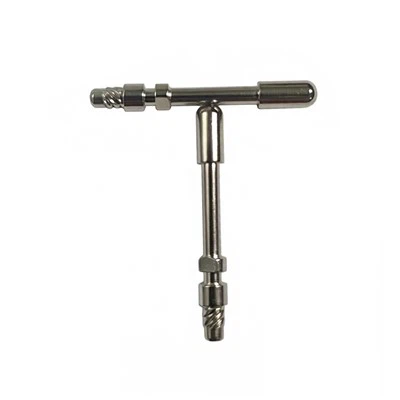


Hey there! As a supplier of KR standard plug pins, I often get asked about the contact resistance of these little guys. So, I thought I'd take a few minutes to break it down for you.
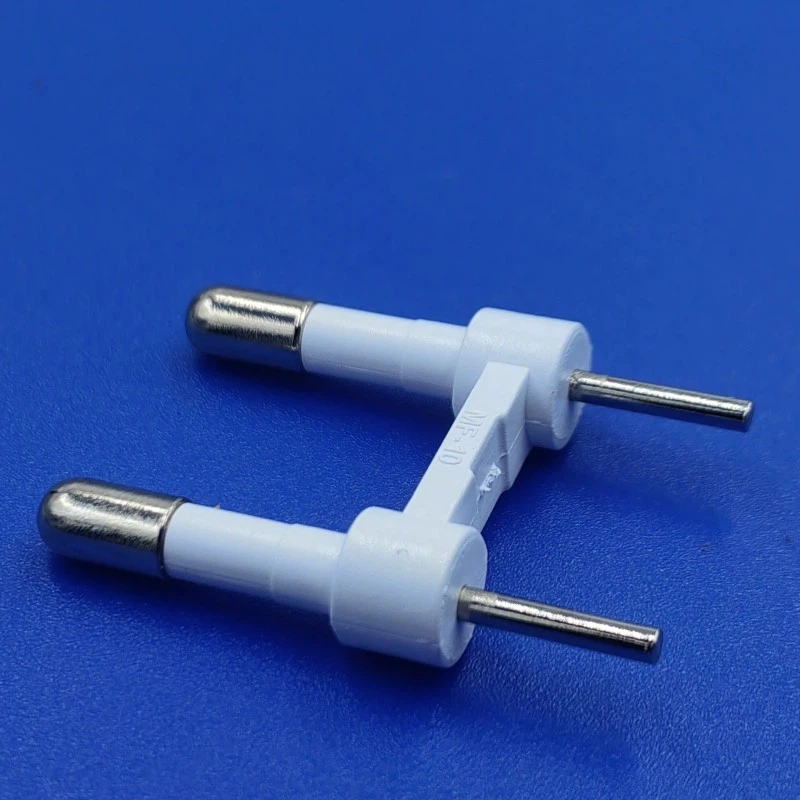
First off, let's talk about what contact resistance actually is. In simple terms, contact resistance is the resistance that occurs at the point where two conductors meet. When it comes to KR standard plug pins, this means the resistance between the plug pin and the socket it's inserted into. It's an important factor because it can affect the efficiency and safety of electrical connections.
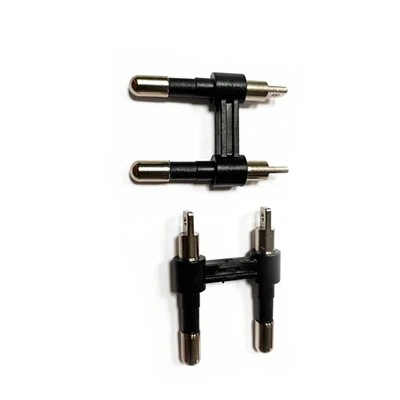
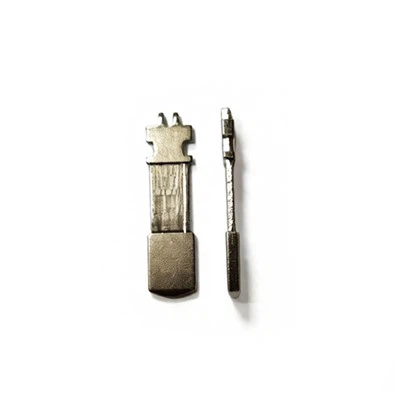
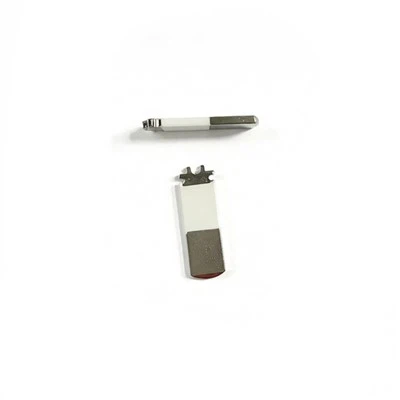
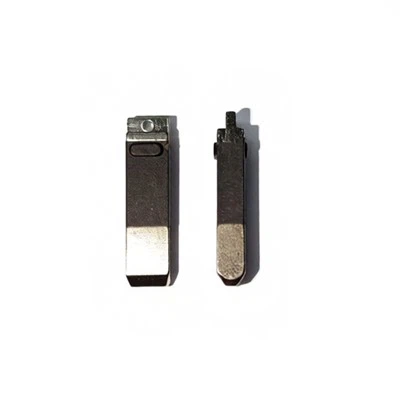
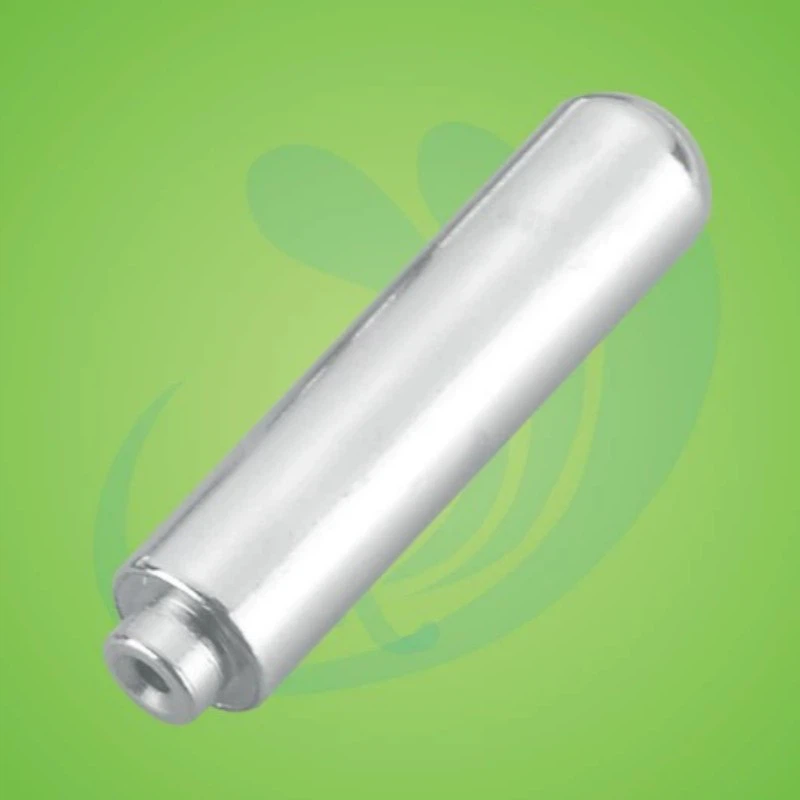
Now, the contact resistance of KR standard plug pins can vary depending on a few different factors. One of the biggest factors is the material the plug pins are made of. For example, brass is a common material used for KR plug pins, and it has relatively low contact resistance. That's why you'll often see Brass Plug Insert Pins Kr Plug Accessories on the market. Brass is a good conductor of electricity, which means it allows current to flow through it with less resistance.
Another factor that can affect contact resistance is the surface finish of the plug pins. A smooth, clean surface will generally have lower contact resistance than a rough or dirty surface. That's because a smooth surface allows for better contact between the plug pin and the socket, which reduces the resistance. So, it's important to make sure the plug pins are properly cleaned and maintained to keep the contact resistance as low as possible.
The design of the plug pins can also play a role in contact resistance. For example, the shape and size of the plug pins can affect how well they fit into the socket. If the plug pins are too loose or too tight, it can increase the contact resistance. That's why it's important to make sure the plug pins are designed to fit properly into the socket.
So, how do you measure the contact resistance of KR standard plug pins? Well, there are a few different methods you can use. One common method is to use a multimeter to measure the resistance between the plug pin and the socket. Another method is to use a specialized contact resistance tester, which can provide more accurate measurements.
In general, the contact resistance of KR standard plug pins should be as low as possible. A high contact resistance can cause a number of problems, including overheating, voltage drops, and reduced efficiency. That's why it's important to choose high-quality plug pins that have low contact resistance.
As a supplier of KR standard plug pins, I understand the importance of providing high-quality products. That's why I make sure all of my plug pins are made from high-quality materials and are designed to have low contact resistance. I also offer a wide range of KR Plug Pin Plug Insert Pin options to meet the needs of different customers.
If you're in the market for KR standard plug pins, I'd be happy to help you find the right products for your needs. Whether you're looking for brass plug insert pins or other KR plug accessories, I can provide you with high-quality products at competitive prices. So, don't hesitate to contact me if you have any questions or if you're interested in placing an order.
In conclusion, the contact resistance of KR standard plug pins is an important factor to consider when choosing electrical connectors. By understanding the factors that affect contact resistance and choosing high-quality plug pins, you can ensure that your electrical connections are efficient and safe. If you have any questions or if you're interested in learning more about KR standard plug pins, please don't hesitate to contact me. I'd be happy to help you find the right products for your needs.
References:
- Electrical Engineering textbooks on contact resistance
- Industry standards and guidelines for KR standard plug pins