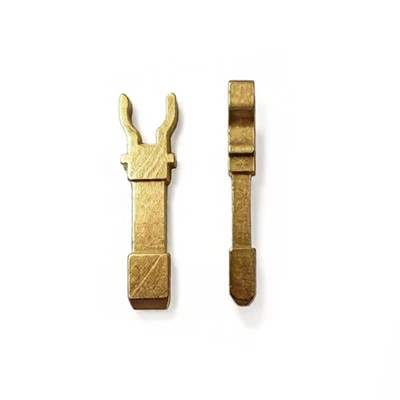


As a supplier of UK standard plug pins, I understand the importance of maintaining the quality and functionality of these essential electrical components. Over time, plug pins can accumulate dirt, grime, and oxidation, which can affect their performance and pose potential safety risks. In this blog post, I will share some effective methods for cleaning UK standard plug pins to ensure they remain in optimal condition.
Why Cleaning UK Standard Plug Pins is Necessary
UK standard plug pins are typically made of materials such as copper or brass, which are prone to oxidation when exposed to air and moisture. Oxidation can lead to the formation of a layer of copper oxide or brass oxide on the surface of the pins, which can increase electrical resistance and reduce the efficiency of the electrical connection. This can result in issues such as overheating, poor conductivity, and even electrical failures.
In addition to oxidation, plug pins can also accumulate dirt, dust, and other debris from daily use. This can further impede the flow of electricity and cause problems with the electrical connection. Regular cleaning of plug pins can help to remove these contaminants and prevent the build-up of oxidation, ensuring that the plug functions properly and safely.
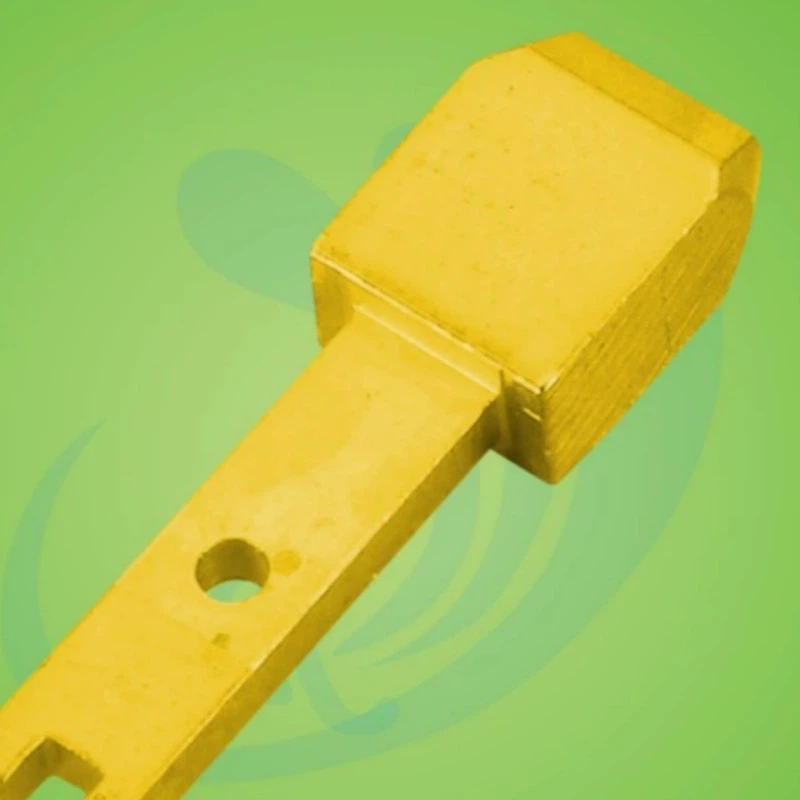

Tools and Materials Needed
Before you begin cleaning your UK standard plug pins, you will need to gather the following tools and materials:
- Soft-bristled brush: A soft-bristled brush, such as a toothbrush or a small paintbrush, can be used to gently remove dirt and debris from the surface of the plug pins.
- Cleaning solution: You can use a mild cleaning solution, such as a mixture of water and dish soap, to clean the plug pins. Avoid using harsh chemicals or abrasive cleaners, as these can damage the surface of the pins.
- Microfiber cloth: A microfiber cloth can be used to dry the plug pins after cleaning and to remove any remaining moisture.
- Sandpaper (optional): If the plug pins are heavily oxidized, you may need to use fine-grit sandpaper to gently remove the oxidation. Be careful not to sand too aggressively, as this can damage the pins.
Step-by-Step Cleaning Process
- Unplug the device: Before you begin cleaning the plug pins, make sure the device is unplugged from the electrical outlet to avoid the risk of electric shock.
- Inspect the plug pins: Carefully examine the plug pins for any signs of damage, such as bent or broken pins. If you notice any damage, do not attempt to clean the plug pins and replace the plug instead.
- Remove loose dirt and debris: Use a soft-bristled brush to gently remove any loose dirt and debris from the surface of the plug pins. Be careful not to apply too much pressure, as this can damage the pins.
- Prepare the cleaning solution: Mix a small amount of dish soap with water in a bowl to create a mild cleaning solution.
- Clean the plug pins: Dip the soft-bristled brush into the cleaning solution and gently scrub the plug pins. Pay special attention to the areas where the pins are in contact with the electrical outlet, as these areas are more likely to accumulate dirt and oxidation.
- Rinse the plug pins: After scrubbing the plug pins, rinse them thoroughly with clean water to remove any remaining cleaning solution.
- Dry the plug pins: Use a microfiber cloth to dry the plug pins completely. Make sure there is no moisture left on the pins, as this can cause further oxidation.
- Optional: Sand the plug pins: If the plug pins are heavily oxidized, you can use fine-grit sandpaper to gently remove the oxidation. Be careful not to sand too aggressively, as this can damage the pins. After sanding, wipe the pins clean with a microfiber cloth.
Tips for Maintaining Clean Plug Pins
- Keep the plug pins dry: Moisture can accelerate the oxidation process, so it is important to keep the plug pins dry. Avoid using the plug in wet or damp conditions, and dry the pins thoroughly if they get wet.
- Store the plug properly: When not in use, store the plug in a dry and clean place. Avoid storing the plug in a place where it can be exposed to moisture or dust.
- Inspect the plug regularly: Regularly inspect the plug pins for any signs of damage or oxidation. If you notice any issues, clean the plug pins or replace the plug as needed.
Our Product Range
As a supplier of UK standard plug pins, we offer a wide range of high-quality products to meet your needs. Our products include Copper UK Plug Insert Pins, RoHS Brass Plug Insert Pins, and Brass Insulation Pin for British Plug. Our plug pins are made from high-quality materials and are designed to provide reliable and safe electrical connections.
Contact Us for Procurement
If you are interested in purchasing UK standard plug pins, please contact us to discuss your requirements. We are committed to providing our customers with high-quality products and excellent customer service. Whether you need a small quantity of plug pins for a DIY project or a large order for a commercial application, we can help.
References
- Electrical Safety Foundation International. (n.d.). Electrical safety tips. Retrieved from [Website URL]
- National Fire Protection Association. (n.d.). Electrical safety. Retrieved from [Website URL]