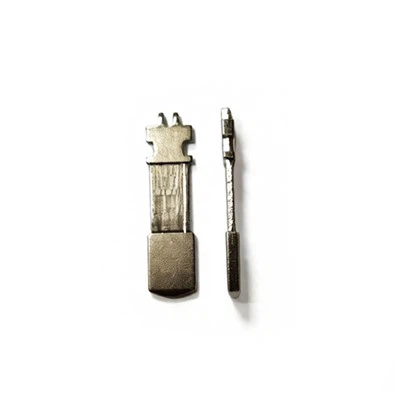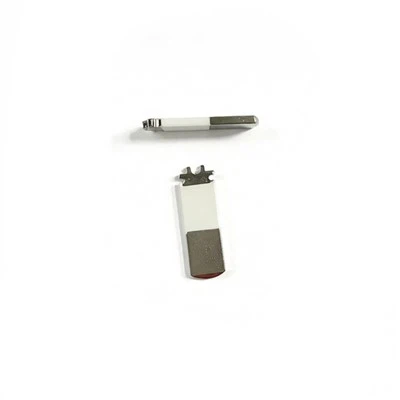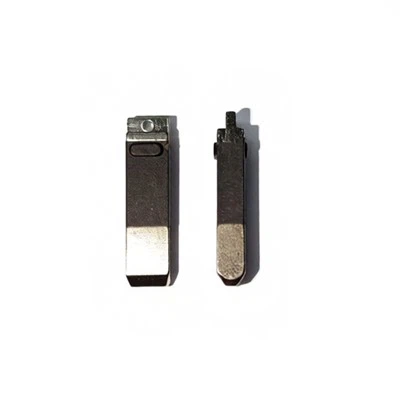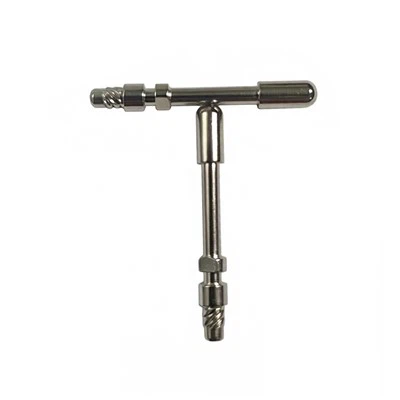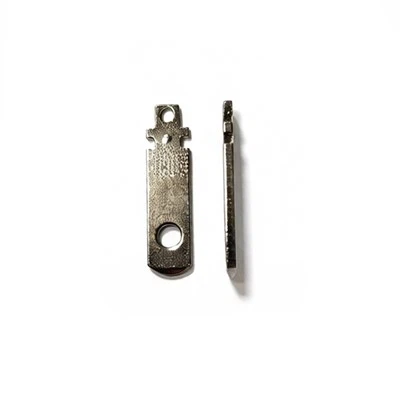


When it comes to EU plugs, the choice of plug insert pins is crucial, and two common materials are brass and copper. As a supplier of “Brass Copper Plug Insert Pin EU Plug Pin”, I often receive inquiries about the cost differences between brass and copper plug insert pins for EU plugs. In this blog, I will delve into this topic to provide you with a comprehensive understanding.
Understanding Brass and Copper
Brass is an alloy composed mainly of copper and zinc. The addition of zinc gives brass certain properties such as good machinability, corrosion resistance, and relatively high strength. It has a golden - like appearance, which is aesthetically pleasing in many applications.
Copper, on the other hand, is a pure metal known for its excellent electrical conductivity. It is a soft, malleable, and ductile metal with a characteristic reddish - brown color. Copper has been used in electrical applications for centuries due to its low electrical resistance.
Cost Factors of Brass and Copper Plug Insert Pins
Raw Material Costs
The cost of raw materials is a significant factor in determining the price of plug insert pins. Copper is generally more expensive than brass. The price of copper is influenced by global market demand and supply dynamics. For example, when there is high demand for copper in industries such as construction and electronics, its price tends to rise.


Brass, being an alloy, can be more cost - effective because the addition of zinc reduces the overall cost compared to using pure copper. The ratio of copper to zinc in brass can vary, and different compositions can affect the cost. Generally, brass with a higher copper content will be more expensive, but still less so than pure copper.
Manufacturing Costs
The manufacturing process also plays a role in the cost of plug insert pins. Brass is relatively easier to machine than copper. It has better cutting properties, which means that during the manufacturing process of plug insert pins, less energy and time are required for shaping and finishing. This can lead to lower manufacturing costs for brass plug insert pins.
Copper, being a softer metal, may require more precise machining techniques to achieve the desired shape and dimensions. This can increase the manufacturing time and cost. Additionally, copper is more prone to oxidation, which may require additional surface treatment processes to prevent corrosion, further adding to the cost.
Market Demand and Supply
The market demand for brass and copper plug insert pins can also impact their costs. If there is a high demand for copper plug insert pins due to their superior electrical conductivity, the price may increase. On the other hand, if the supply of brass is abundant and the demand is relatively stable, the price of brass plug insert pins may remain more competitive.
Comparing the Costs
In general, brass plug insert pins are more cost - effective than copper plug insert pins. The lower raw material cost and relatively easier manufacturing process contribute to this cost difference. However, the choice between brass and copper should not be based solely on cost.
Copper plug insert pins offer better electrical conductivity, which is crucial for applications where low electrical resistance is required. For high - power electrical devices or applications where energy efficiency is a priority, copper may be the preferred choice despite its higher cost.
Brass plug insert pins, with their good corrosion resistance and reasonable electrical conductivity, are suitable for a wide range of general - purpose EU plug applications. They can provide a balance between cost and performance.
Our Offerings as a Supplier
As a supplier of “Brass Copper Plug Insert Pin EU Plug Pin”, we understand the different needs of our customers. We offer a wide range of plug insert pins made from both brass and copper. Our products are manufactured to meet the EU standards, ensuring high quality and safety.
If you are looking for cost - effective solutions for your EU plug requirements, our brass plug insert pins are a great option. You can check out our Plug Insert Pin Brass Plug EU Pin for more details.
For applications that demand the best electrical conductivity, our copper plug insert pins are available. You can explore our Plug Insert Pin Eu Standard Plug Pin to see the specifications.
And if you are interested in both brass and copper options, our Brass Copper Plug Insert Pin EU Plug Pin page provides a comprehensive view of our product range.
Conclusion
In conclusion, there are indeed differences in the cost of brass and copper plug insert pins for EU plugs. Brass is generally more cost - effective due to lower raw material and manufacturing costs, while copper offers superior electrical conductivity at a higher price. The choice between the two depends on the specific requirements of your application.
If you are in the market for high - quality plug insert pins for EU plugs, we invite you to contact us for a detailed discussion. We are committed to providing you with the best products and solutions to meet your needs. Whether you need cost - effective brass pins or high - performance copper pins, we have the expertise and products to serve you.
References
- "Metals in Electrical Engineering" - A textbook on the properties and applications of metals in electrical systems.
- Industry reports on the global copper and brass markets.