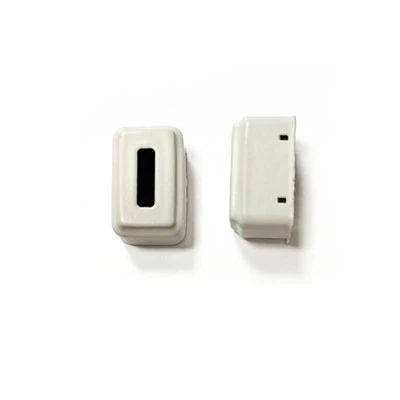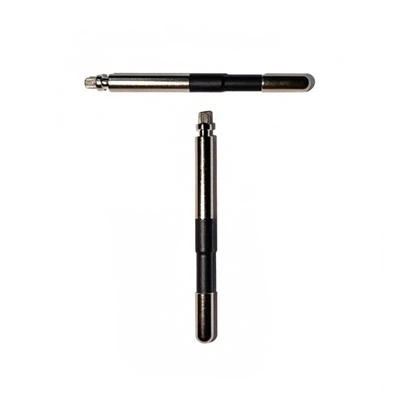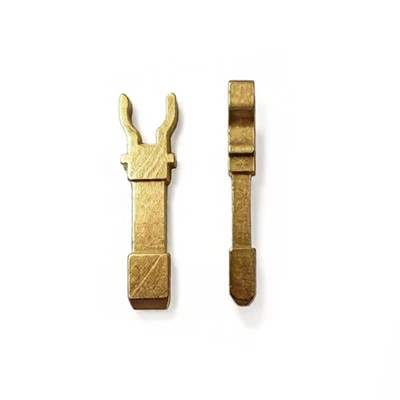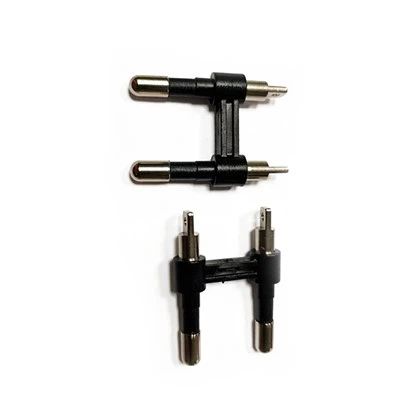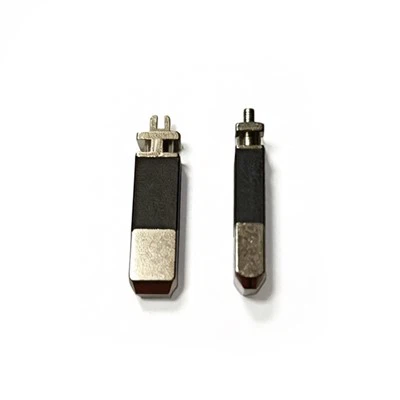


Hey there! As a supplier of Plug Insert Pin Brass Plug EU Pin, I often get asked if there are any alternatives to these nifty little components. Well, let's dive right in and explore this topic together.
First off, let's talk about why the Plug Insert Pin Brass Plug EU Pin is so popular. Brass is an alloy made up of copper and zinc, and it's got some really great properties. It's highly conductive, which means it can transfer electricity efficiently. This is super important for plugs because you want a reliable connection between your device and the power source. Brass is also corrosion - resistant, so it can stand up to the wear and tear of daily use without degrading quickly. And let's not forget about its durability. A brass plug insert pin can last a long time, making it a cost - effective choice in the long run.
But, are there alternatives? You bet there are!
1. Steel Plug Insert Pins
Steel is a common alternative to brass. It's strong and relatively inexpensive. Steel plug insert pins can handle high mechanical stress, which makes them a good option for applications where the plug might get bumped around a bit. However, steel isn't as conductive as brass. This means that there could be a bit of energy loss when electricity passes through a steel pin. Also, steel is more prone to rusting compared to brass, especially in humid environments. So, if you're using steel plug insert pins, you might need to take extra steps to protect them from corrosion, like coating them with a rust - resistant material.
2. Aluminum Plug Insert Pins
Aluminum is another option. It's lightweight and has decent conductivity. Aluminum is also quite abundant, which makes it relatively cheap. However, aluminum has a few drawbacks. It's not as strong as brass or steel, so it might bend or break more easily. Also, over time, aluminum can develop an oxide layer on its surface, which can increase the resistance and reduce the efficiency of the electrical connection.
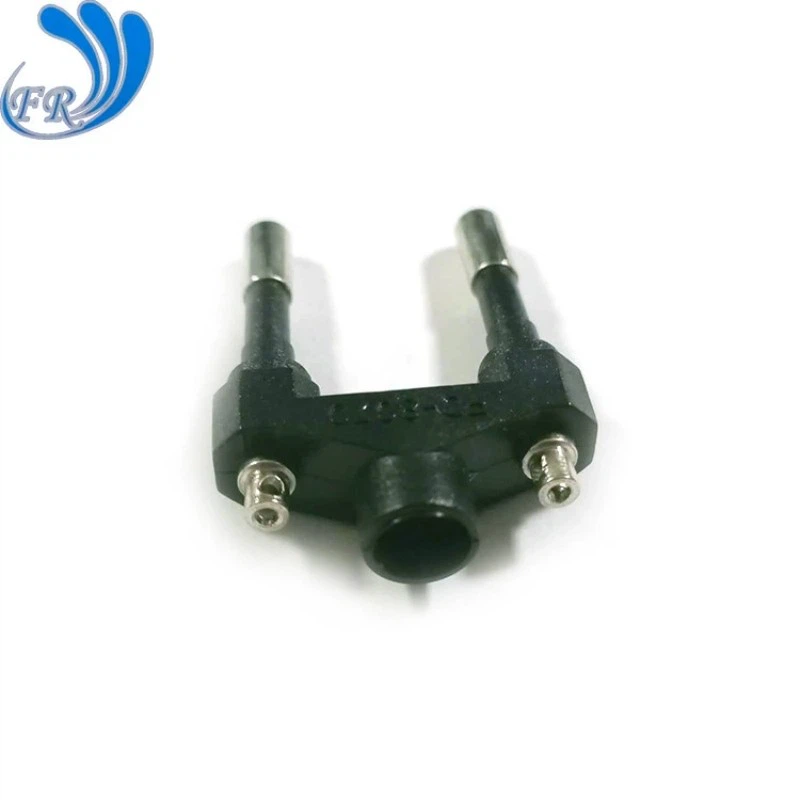

3. Copper Plug Insert Pins
Copper is an excellent conductor of electricity, even better than brass. If you're looking for the highest level of conductivity, copper plug insert pins are a great choice. They can transfer electricity with very little loss, which is ideal for high - power applications. However, copper is more expensive than brass, and it can also be more prone to oxidation. Oxidation can cause the copper to turn green and reduce its conductivity over time.
Now, let's talk about the advantages of sticking with our Brass Copper Plug Insert Pin EU Pin. As I mentioned earlier, brass combines the best of both worlds. It has good conductivity like copper and the durability and corrosion resistance of an alloy. Our Plug Insert Pin Eu Standard Plug Pin is designed to meet the strict EU standards, ensuring a safe and reliable connection. And our Plug Insert Pin Brass Plug EU Pin is made with high - quality brass, so you can trust that it will last.
When choosing an alternative, you need to consider your specific needs. If you're on a tight budget and don't need the highest conductivity, steel or aluminum might be a good option. But if you're working on a high - end project where reliability and performance are crucial, brass is the way to go.
We've been in the business of supplying Plug Insert Pin Brass Plug EU Pin for a long time, and we know what it takes to make a great product. Our pins are carefully crafted to ensure a perfect fit and a strong electrical connection. We use only the best materials and the latest manufacturing techniques to produce pins that meet the highest standards.
If you're in the market for plug insert pins, whether it's our brass ones or you're considering an alternative, we're here to help. We can offer you expert advice on which type of pin is best for your application. We understand that every project is different, and we're committed to finding the right solution for you.
So, if you're interested in learning more about our products or want to discuss your specific requirements, don't hesitate to reach out. We're always happy to have a chat and see how we can assist you in your procurement process. Whether you're a small business or a large corporation, we can provide you with the plug insert pins you need at a competitive price.
In conclusion, while there are alternatives to the Plug Insert Pin Brass Plug EU Pin, brass still remains a top choice for many applications. Its combination of conductivity, durability, and corrosion resistance makes it a reliable and cost - effective option. But if you have unique needs, there are other materials out there that might suit you better.
If you want to start a conversation about your plug insert pin needs, we're just a message away. Let's work together to find the perfect solution for your project.
References:
- "Materials Science and Engineering: An Introduction" by William D. Callister Jr. and David G. Rethwisch
- Industry reports on electrical components and materials