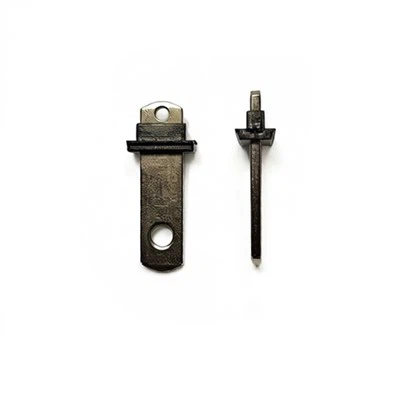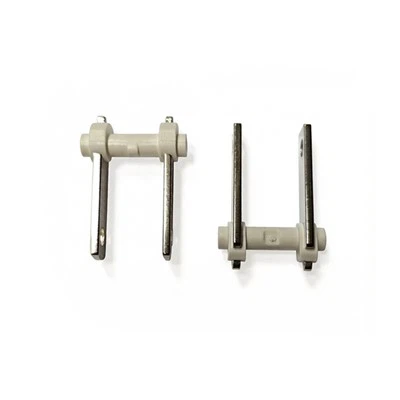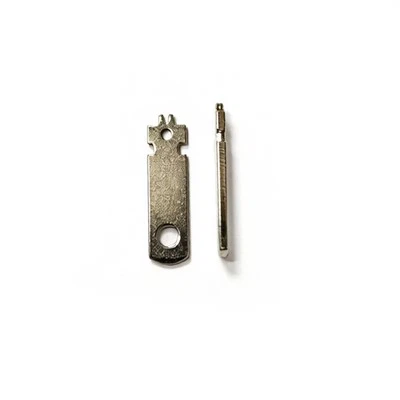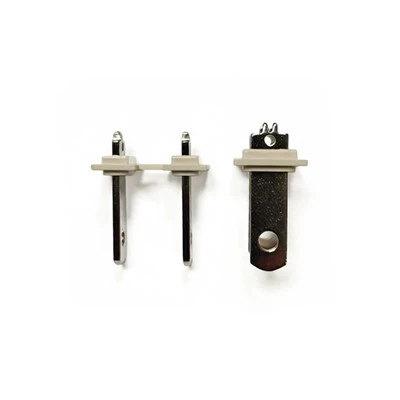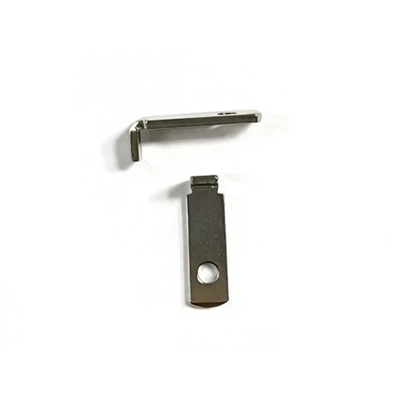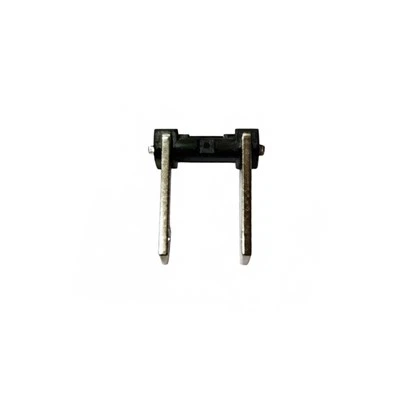

In everyday electrical equipment use, substandard plugs and sockets can lead to potential risks, such as overheating or arcing caused by poor contact. These problems stem from dimensional deviations or material defects, which are particularly critical in British Standard (BST) systems (such as BS 1363) because they strictly regulate the interface requirements of household appliances and industrial equipment. For example, if the plugs of machine tool motors or household sockets do not meet standard dimensions, it can cause equipment damage or safety accidents. Therefore, professional tools such as gauges are essential for verifying these parameters and helping to ensure the reliability and compliance of electrical systems.
When purchasing BST plugs, sockets, and gauges, focus on objective specifications rather than brand claims. The following key points are based on industry practice and standard requirements:
Standard Compliance: Prioritize products designed based on international standards (such as IEC or BS). Verify that the product specifications clearly reference relevant standards to avoid errors caused by non-standard tools.
Structural Durability: Check the materials (such as metal alloys) and weight (typically 10-20kg) to ensure they are not easily worn down during frequent use. Heavier designs (e.g., 15kg) often indicate a more stable base.
Suitability Verification: Confirm the gauge's intended use (e.g., "inspection parameters") and whether it matches the target object (e.g., household appliances or sockets). Voltage compatibility (e.g., 220V) should also be suitable for the testing environment.
Brand Reputation and After-Sales Service: Choose manufacturers with clear after-sales guarantees, reflecting long-term reliability. Custom processing options can meet specific needs, but additional costs should be evaluated.
Actual Testing Functionality: Check the gauge's ease of use and accuracy yourself or by referring to third-party evaluations. For example, a pass rating (e.g., "pass") indicates basic validation, but this needs to be considered in the context of the specific application.
Professional advice is to consult industry guidelines or refer to actual test data before purchasing, avoiding decisions based solely on price. This helps invest in efficient tools rather than increasing maintenance burdens.