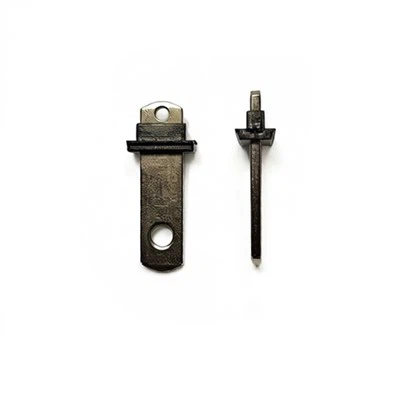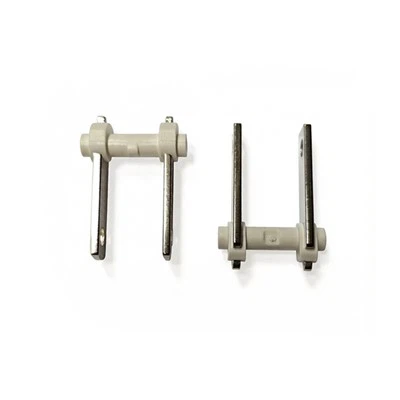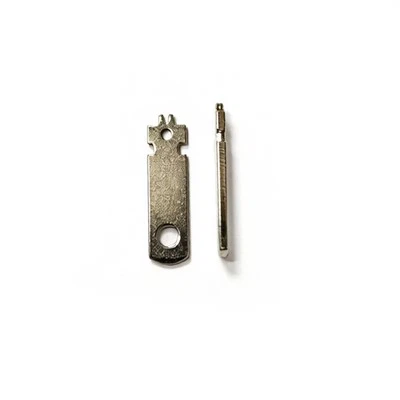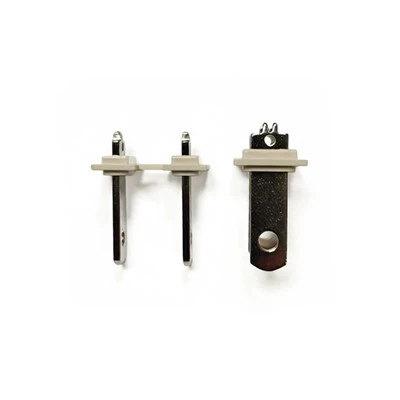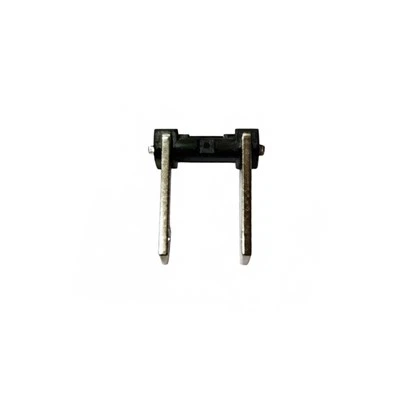

The pins of a British standard plug (i.e., the metal prongs of a British standard plug) are the core conductive components of a British power plug, and their main functions are as follows:
Conducting Current: By inserting into a British standard socket, they transmit mains electricity from the power grid to the electrical equipment, enabling power supply.
Ensuring Safe Grounding: British standard plugs typically use a three-pin design (live wire L, neutral wire N, and ground wire E). The ground pin connects the device casing to the earth, preventing electric shock accidents in case of leakage.
Compliant with Safety Standards: British standard plugs are designed according to British Standard BS 1363, featuring insulating sleeves, precise dimensions, and appropriate insertion and extraction force, enhancing safety and reliability.
Furthermore, British standard plugs are generally square and flat, and the live and neutral pins often have insulating sleeves to reduce the risk of electric shock during insertion and removal. This design is widely used in the UK, Ireland, Hong Kong, India, Singapore, and other countries and regions.